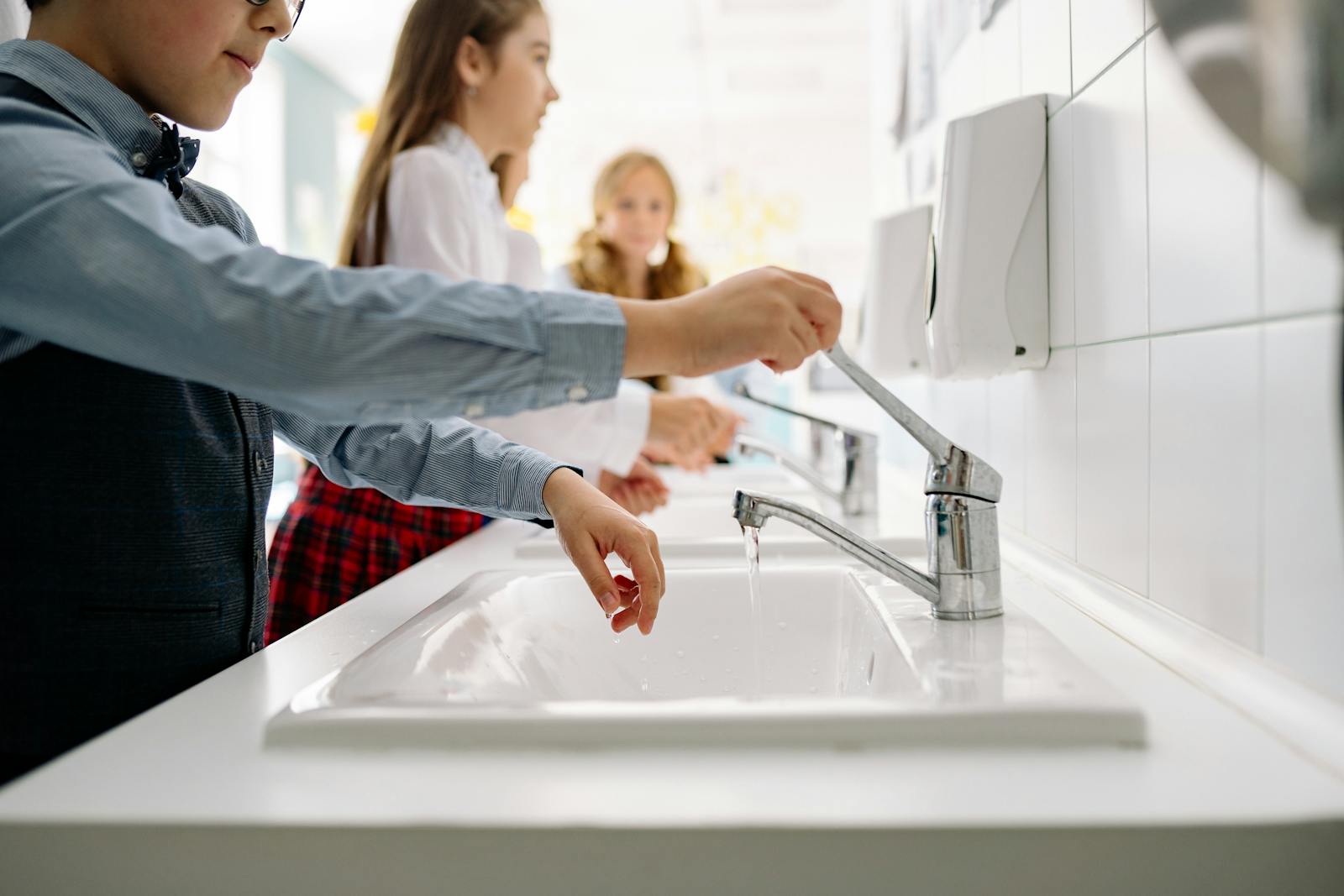
In a situation that has left many scratching their heads, students at a local school have taken bathroom vandalism to a perplexing new level. What began as minor damage to the restroom’s urinal divider escalated into a full-blown demolition of essential bathroom fixtures. Now, students and faculty alike are left wondering: what exactly drives this curious behavior?
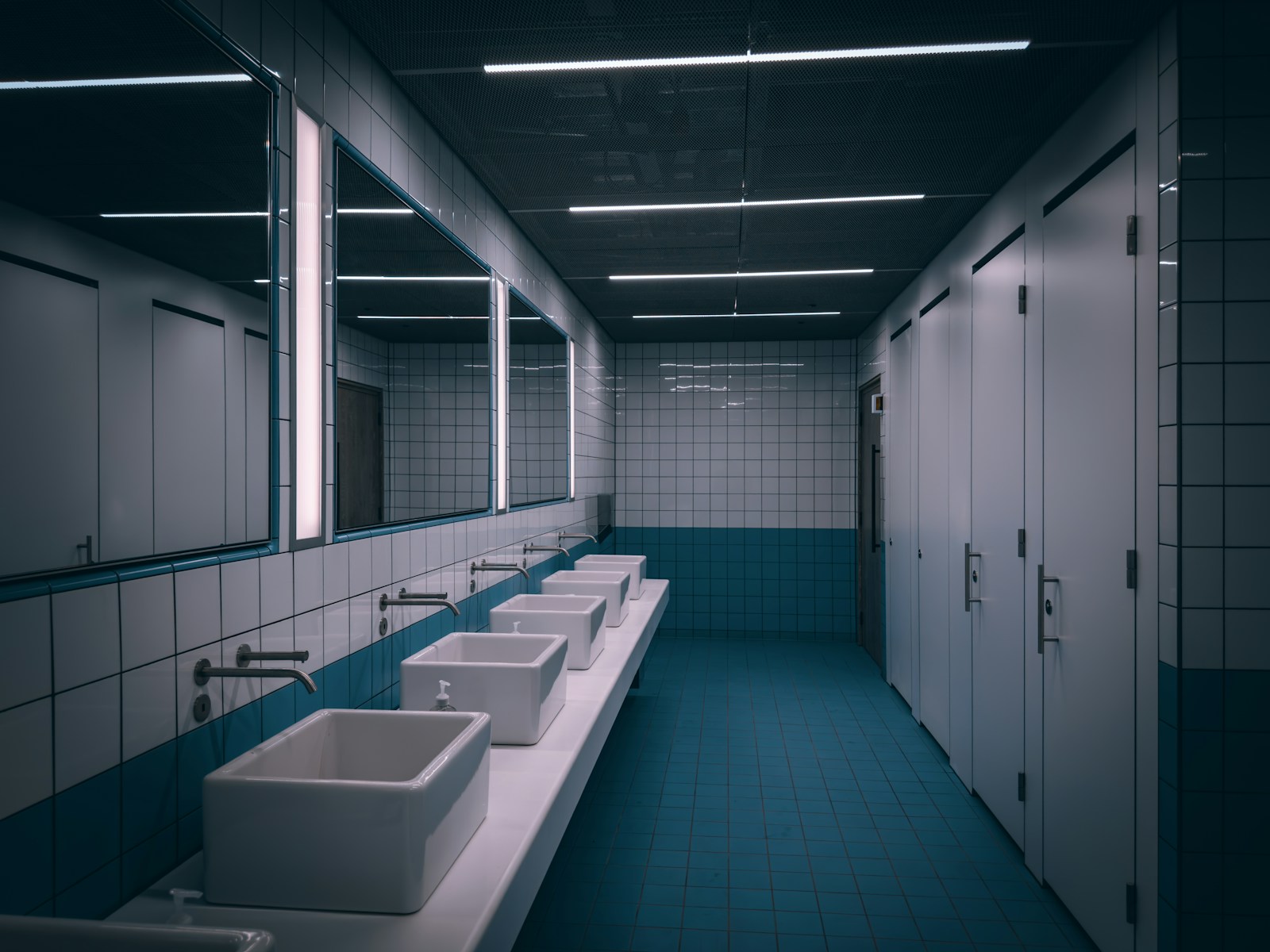
Is there an underlying reason for this destructive streak? Theories abound. Some suggest that students crave a way to express themselves, and in a restricted school environment, demolishing bathroom fixtures feels like a form of liberation. Others feel it might be a misguided way to forge connections among peers, albeit in the most unsettling and least socially acceptable manner possible. The act of destroying surfaces may give them a sense of power, a brief moment of uncontested control in an otherwise structured life.
Interestingly, such behavior isn’t confined to just one school or region. Across the country, reports of similar incidents have come to light, illustrating a trend in teenage behavior that’s both concerning and fascinating. It seems that the urge to break down barriers—both metaphorically and literally—can manifest in various ways. For some, it appears to be a challenge or a game; for others, it may serve as a misguided bonding activity.
While some faculty members have implemented stricter measures to prevent further vandalism, the question remains: how do you tackle the root of the problem? Closing off bathrooms or increasing supervision may provide temporary relief but could lead to more frustration. Perhaps what these students need is an outlet—a way to engage in a creative and structured environment where they can express their energy without resorting to destructive behaviors.
In the wake of this ongoing situation, one thing is clear: the school is left to grapple with not only the physical repair of their facilities but also the underlying psychological needs of their students. A once mundane aspect of school life has morphed into a colorful spectacle of confusion, frustration, and missed understanding. Teachers, administrators, and students alike are now caught in a loop of damage and repair, wondering what the next “big thing” will be—and if it will help or hinder their communal experience.
Ultimately, the dilemma poses more questions than answers. As the students continue their curious endeavors, the school community is left to ponder the motivations at play. Are they simply bored? Are they searching for connection? Or is this just a phase where watching each other’s most vulnerable moments becomes the ultimate form of peer interaction? What remains is the hope that solutions can be found without creating a more divisive atmosphere that leads to further destruction.
More from Willow and Hearth:
Leave a Reply