Willow and Hearth

  • Grow
  • Home
  • Style
  • Feast
CONTACT US
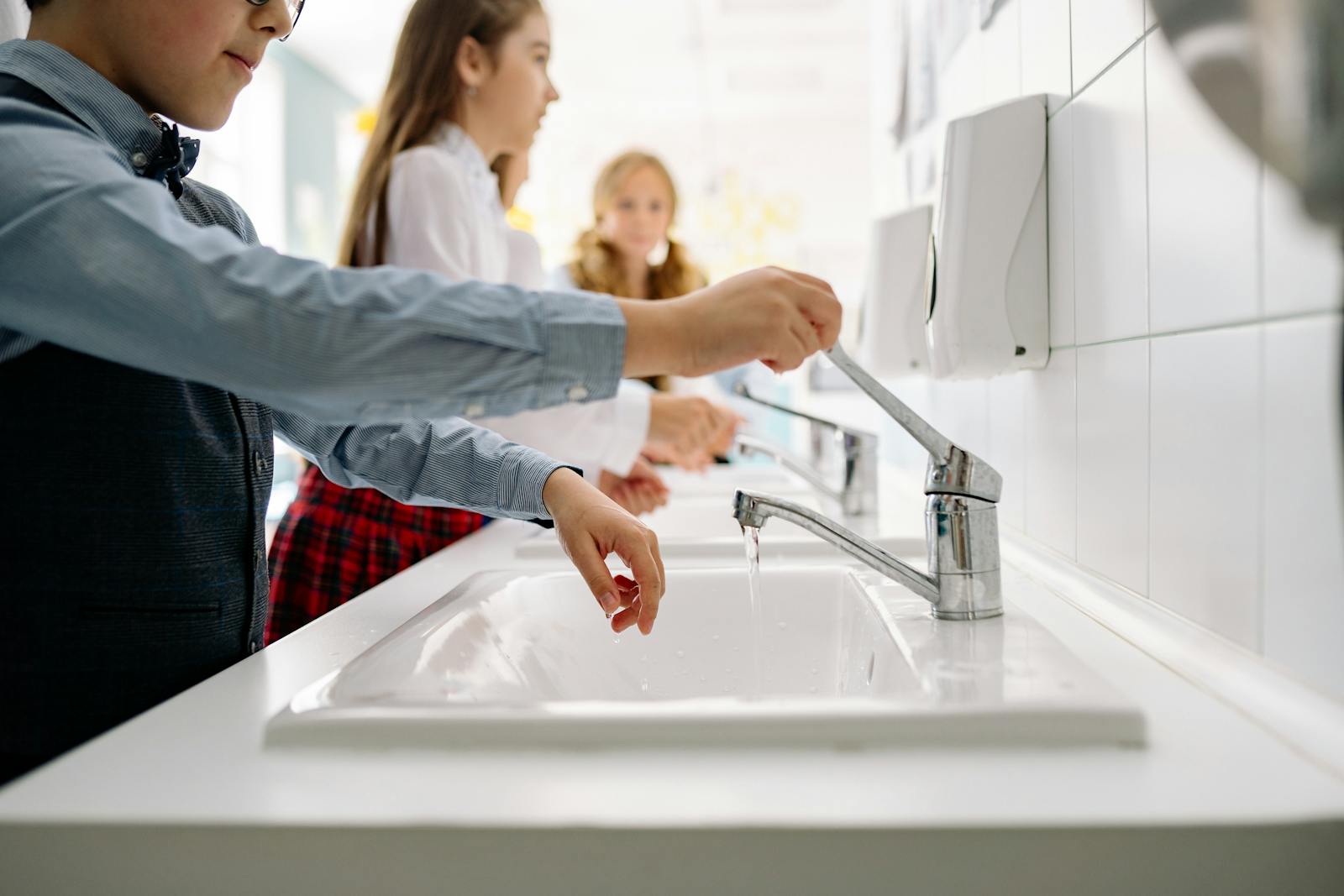
Kids washing hands at school sink promoting hygiene and health in educational setting.
Gather & Grow

Students Kept Destroying Bathroom Walls, Stall Dividers, and Even the Door Until One Teen Was Left Wondering if the End Goal Was Just Watching Each Other Pee

In a situation that has left many scratching their heads, students at a local school have taken bathroom vandalism to a perplexing new level. What began as minor damage to the restroom’s urinal divider escalated into a full-blown demolition of essential bathroom fixtures. Now, students and faculty alike are left wondering: what exactly drives this curious behavior?
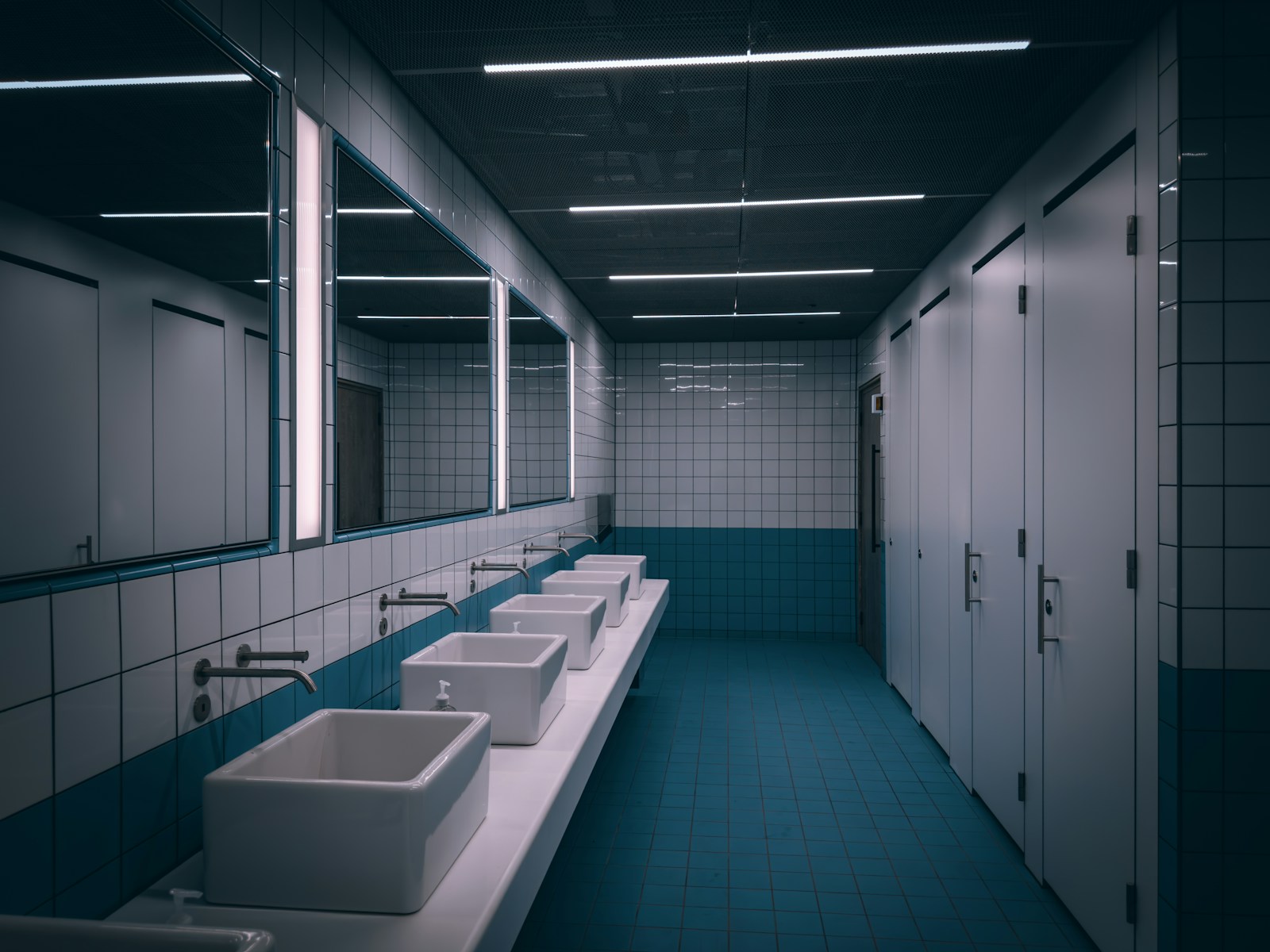
a row of sinks in a public restroom
Photo by Kenny Miller on Unsplash
It all started innocently enough, with the urinal divider taking the brunt of the boys’ antics. One can imagine the thrill that accompanied the initial act of destruction, perhaps fueled by boredom or the timeless urge for rebellion that often characterizes adolescent behavior. However, this initial act set a troubling precedent. As soon as school officials repaired the damage, a new challenge arose. Students rallied together, quite literally breaking down the walls that separated them—both physically and, arguably, socially.Fast forward to the present, and the situation has escalated. The bathroom’s door was the next to fall victim to the relentless urge to destroy, raising even more eyebrows among those who rely on these facilities. This act of vandalism didn’t just stop there; it has now led to the complete disappearance of the bathroom stall itself. One student, who shared their frustration on a popular online forum, questioned whether this behavior was a misguided attempt at communal interaction—perhaps an unusual desire to witness each other in more vulnerable moments.

Is there an underlying reason for this destructive streak? Theories abound. Some suggest that students crave a way to express themselves, and in a restricted school environment, demolishing bathroom fixtures feels like a form of liberation. Others feel it might be a misguided way to forge connections among peers, albeit in the most unsettling and least socially acceptable manner possible. The act of destroying surfaces may give them a sense of power, a brief moment of uncontested control in an otherwise structured life.

Interestingly, such behavior isn’t confined to just one school or region. Across the country, reports of similar incidents have come to light, illustrating a trend in teenage behavior that’s both concerning and fascinating. It seems that the urge to break down barriers—both metaphorically and literally—can manifest in various ways. For some, it appears to be a challenge or a game; for others, it may serve as a misguided bonding activity.

While some faculty members have implemented stricter measures to prevent further vandalism, the question remains: how do you tackle the root of the problem? Closing off bathrooms or increasing supervision may provide temporary relief but could lead to more frustration. Perhaps what these students need is an outlet—a way to engage in a creative and structured environment where they can express their energy without resorting to destructive behaviors.

In the wake of this ongoing situation, one thing is clear: the school is left to grapple with not only the physical repair of their facilities but also the underlying psychological needs of their students. A once mundane aspect of school life has morphed into a colorful spectacle of confusion, frustration, and missed understanding. Teachers, administrators, and students alike are now caught in a loop of damage and repair, wondering what the next “big thing” will be—and if it will help or hinder their communal experience.

Ultimately, the dilemma poses more questions than answers. As the students continue their curious endeavors, the school community is left to ponder the motivations at play. Are they simply bored? Are they searching for connection? Or is this just a phase where watching each other’s most vulnerable moments becomes the ultimate form of peer interaction? What remains is the hope that solutions can be found without creating a more divisive atmosphere that leads to further destruction.


More from Willow and Hearth:

  • 15 Homemade Gifts That Feel Thoughtful and Timeless
  • 13 Entryway Details That Make a Home Feel Welcoming
  • 11 Ways to Display Fresh Herbs Around the House
  • 13 Ways to Style a Bouquet Like a Florist
←Previous

Leave a Reply Cancel reply

Your email address will not be published. Required fields are marked *

Search

Categories

  • Feast & Festivity
  • Gather & Grow
  • Home & Harmony
  • Style & Sanctuary
  • Trending
  • Uncategorized

Archives

  • April 2026
  • March 2026
  • February 2026
  • January 2026
  • December 2025
  • November 2025
  • October 2025
  • July 2025
  • June 2025
  • March 2025

Latest Post

  • Students Kept Destroying Bathroom Walls, Stall Dividers, and Even the Door Until One Teen Was Left Wondering if the End Goal Was Just Watching Each Other Pee
  • Woman Accidentally Typed the Wrong Bank Account for Her Tax Refund, Opened Her App, and Found Herself Staring at the Most Insulting Balance Possible: One Penny
  • After Years of Breaking In a Favorite Pair of Leather Sandals Until They Finally Fit Just Right, One Owner Is Now Mourning the End of a Relationship That Took Way Too Long to Get Good

Willow and Hearth

Willow and Hearth is your trusted companion for creating a beautiful, welcoming home and garden. From inspired seasonal décor and elegant DIY projects to timeless gardening tips and comforting home recipes, our content blends style, practicality, and warmth. Whether you’re curating a cozy living space or nurturing a blooming backyard, we’re here to help you make every corner feel like home.

Contact us at:
[email protected]

    • About
    • Blog
    • Contact Us
    • Editorial Policy
    • Privacy Policy
    • Terms and Conditions

© 2025 Willow and Hearth