
If you’ve ever had a contractor in your house, you’ve probably heard some version of: “This didn’t happen overnight.” Not in a scolding way—more like a tired little fact of life. Homes are patient; they’ll quietly tolerate a lot before they finally demand attention (and money).
Contractors see the same “wish we’d caught that sooner” issues over and over. The tricky part is that most of them are easy to ignore… until they’re suddenly very loud, very wet, or very expensive. Here are five that come up all the time, straight from the folks who fix them for a living.
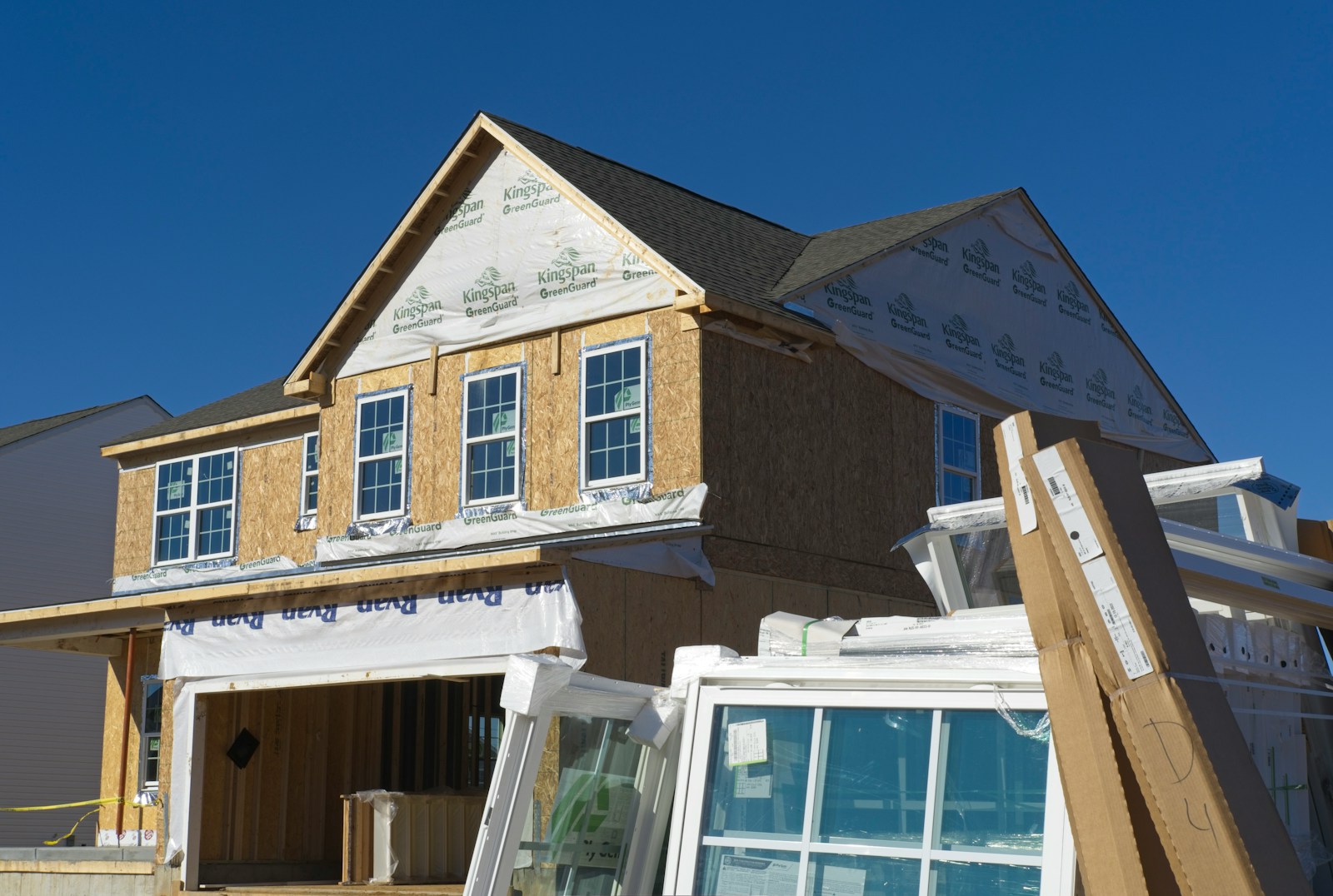
1) Water that “isn’t a big deal” (until it is)
A small stain on the ceiling. A little bubbling paint near a window. A musty smell that shows up after a hard rain and then vanishes like it never happened. Homeowners often file these under “we’ll keep an eye on it,” which is basically water’s favorite sentence.
Contractors say water damage rarely stays polite. A slow leak can rot subflooring, weaken framing, ruin insulation, and invite mold—none of which announces itself with a trumpet. By the time you see dripping, the real damage may already be spread out like a spill under a rug.
What to watch for: staining, peeling paint, warped trim, damp basements, soft spots near tubs, and gutters that overflow during rain. If you’re not sure, take a photo today and compare it in two weeks. If it’s growing, it’s not “old,” it’s active.
2) Gutters and grading that quietly sabotage the whole house
Gutters are the definition of unglamorous homeownership. They’re also one of the cheapest ways to prevent truly ridiculous problems. Contractors often say the worst basement leaks, foundation cracks, and siding rot start with water landing where it shouldn’t—right next to your house.
If gutters are clogged, pitched wrong, or dumping water too close to the foundation, you’re basically watering your home like a plant. Add poor grading—soil sloping toward the house instead of away—and you’ve got a system designed to encourage seepage. It might take years, which is exactly why people miss it.
Quick sanity checks: during a rainstorm, watch where the water goes (yes, it’s a little weird, but it’s enlightening). Downspouts should discharge several feet away, extensions should actually extend, and the ground should slope away from the foundation. If you can’t see the slope, your basement probably can.
3) DIY fixes that look fine… until a real repair starts
There’s nothing wrong with DIY—contractors do it too, just with more tools and fewer YouTube pauses. The issue is “temporary” fixes that become permanent because they seem to work. Caulk over and over, patch a crack, slap on paint, add a bit of foam, call it a day.
Contractors say the most expensive jobs often start with uncovering layers of well-intentioned repairs that hid the real problem. Paint can mask water stains, caulk can disguise failed flashing, and patching can conceal movement in a wall or floor. When the real fix finally happens, it’s like opening a mystery novel you didn’t mean to buy.
If you’ve patched the same spot more than once, treat that as a clue, not a victory. Ask: why does this keep coming back? A pro can usually tell quickly whether it’s cosmetic or a symptom of water intrusion, settling, or a ventilation issue.
4) The “invisible” systems: ventilation, insulation, and air sealing
Homeowners tend to focus on what they can see—kitchens, floors, paint colors. Contractors wish more people obsessed (just a little) over what’s behind the walls and above the ceiling. Poor ventilation and insulation don’t just make the house uncomfortable; they can shorten the life of your roof, create condensation, and even cause ice dams in colder climates.
A bathroom fan that vents into the attic instead of outside is a classic example. Everything seems fine… until you’ve got damp insulation, moldy sheathing, and nails rusting overhead. The same goes for dryer vents clogged with lint, which can become a fire hazard while also making your dryer work twice as hard.
Easy checks: make sure bath fans actually move air (hold up a tissue; it should stick), confirm they vent outdoors, and look for excessive attic moisture or staining. If some rooms are always too hot or too cold, that’s often an insulation or air-sealing story, not a “bad thermostat” story.
5) Waiting too long to replace the boring parts (sealants, flashing, and aging materials)
Flashing isn’t the star of the home, but it’s the bodyguard. It’s the thin material that directs water away from roof edges, chimneys, skylights, and wall intersections. When flashing fails, water sneaks in, and it’s rarely a straightforward “swap this one piece” situation anymore.
Same with exterior caulk and sealants around windows, doors, and siding penetrations. Over time they shrink, crack, or pull away. Homeowners often notice it, think it’s cosmetic, and move on—until wind-driven rain finds the gap and turns your wall into a slow sponge.
If your roof is aging, don’t just look at shingles from the driveway. Contractors recommend checking for missing or curling shingles, granules piling up in gutters, soft spots, and obvious flashing issues around chimneys and vents. Replacing a $10 tube of caulk or resealing a small area at the right time is the kind of “boring win” that keeps budgets intact.
A quick “contractor-approved” habit that saves money
If there’s one pattern contractors love, it’s homeowners who do small, regular check-ins. Not daily, not obsessively—just seasonally. A 30-minute walkthrough in spring and fall catches most of the sneaky stuff before it gets dramatic.
Take a lap around the exterior, peek in the attic, run water in seldom-used fixtures, and look under sinks. If something smells musty, looks new, or feels soft, don’t wait for it to “declare itself.” Houses always win that game, and they always charge interest.
More from Willow and Hearth:
Leave a Reply