
In a quiet cul-de-sac, a father finds himself at odds with a growing sense of unease over his neighbor’s situation. The mother, a single parent, has twin sons, both of whom are on the autism spectrum. While one son is relatively high-functioning and able to engage in conversations, the other has severe challenges that result in disruptive behaviors, drawing the attention of the entire neighborhood.
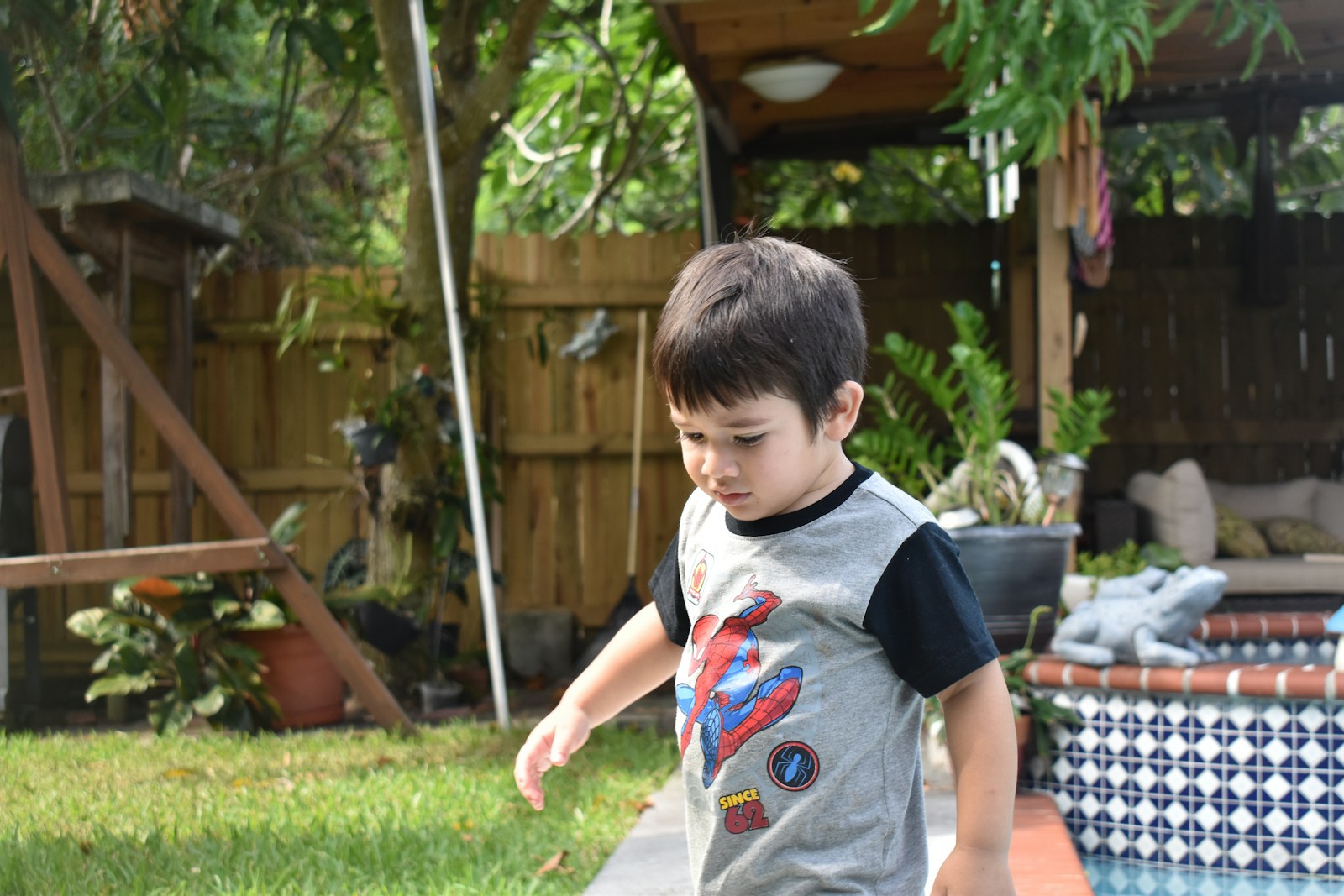
The main concern arises from the unpredictability that comes with having a 21-year-old son who often wanders their neighborhood. Late-night excursions sometimes see him shouting to himself, pacing in their front yard, or even entering neighboring properties. The father, who has a five-year-old son and another child on the way, can’t help but feel anxious whenever he sees the son step into his driveway while his child is playing outside. The sheer physicality of the young man—standing over six feet tall and weighing around 250 pounds—only intensifies these worries.
Adding to the father’s concerns is the mother’s erratic schedule. With frequent absences during nights and weekends, she often leaves the twins home alone. It’s a situation that weighs heavily on the father’s mind, especially as he considers the implications for his own family. “I want to be understanding, but I worry about my son’s safety,” he shares, reflecting a common dilemma many parents face when navigating community dynamics.
On top of behavioral concerns, the father notes that the mother does not maintain her property. The lawn has grown knee-high due to a lack of mowing, and clutter collects around the home, with old furniture and holiday decorations left outside to gather dust and mildew. The home, once a reflection of pride, has fallen into disrepair, with the backyard resembling a jungle. This neglect not only draws the eyes of the neighborhood but also raises questions about the mother’s wellbeing and ability to care for her sons.
Feeling trapped between empathy for a struggling neighbor and a need to protect his family, the father grapples with how to express his concerns. “I know she’s facing challenges that I can’t even imagine, but it’s starting to take a toll on all of us,” he reflects. His neighbors have also been patient, but the lingering worries about the unsupervised son and the state of the property contribute to a growing sense of frustration within the community.
The situation is a delicate balancing act; the father and his neighbors want to offer support without crossing over into judgment. They are left to ponder possible solutions. Should they reach out to the mother and discuss options for assistance? Can local resources be mobilized to help strengthen the support network for her family? As they weigh their options, the overarching need for safety and community cohesion remains at the forefront of their minds.
As the father considers his next steps, he reflects on what this experience has taught him about parenting, neighborhood engagement, and the challenges that come with raising children in a community. “It’s hard to find the right approach. You want to help, but you also need to look out for your own kids,” he remarks, capturing the essence of the tension that exists when navigating complex neighborly issues.
There remains a hope that dialogue might open doors to understanding, allowing for a unified approach to support a family in difficulty while ensuring the safety of all children in the cul-de-sac. Conversations about support services, community initiatives, or simply connecting with the mother may pave the way for a more harmonious living environment. It’s a journey that many parents can relate to—a quest for balance in a world where the needs of one can impact the well-being of all.
More from Willow and Hearth:
Leave a Reply