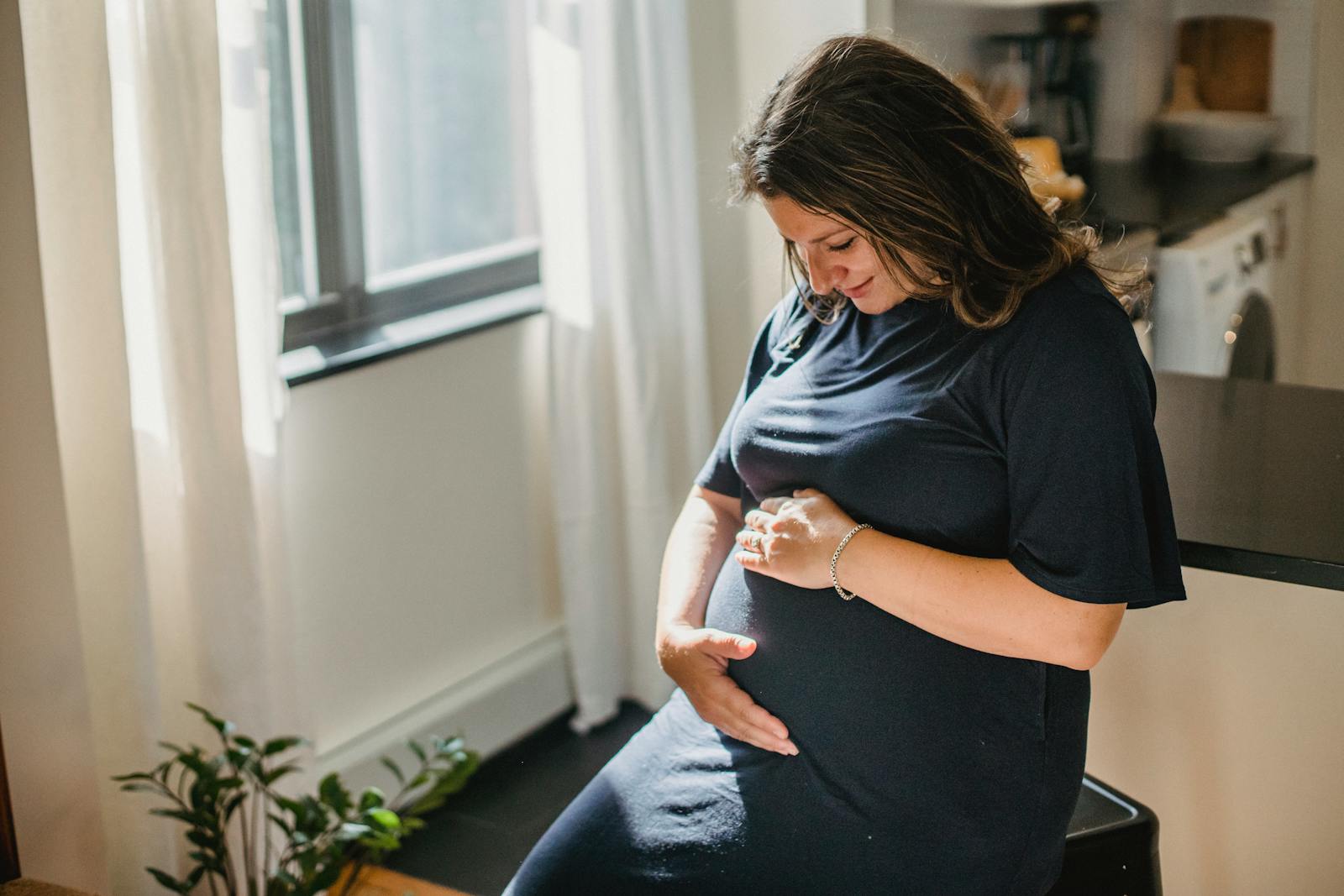
In a recent post on Reddit, a pregnant woman shared her frustrating experience with a property manager who questioned her need for a three-bedroom apartment, citing fairness to families with more children. This incident highlights the complexities tenants can face while navigating housing demands, especially during significant life changes such as pregnancy.

During the phone call, which took place while she was at work and still had not informed her employers about her pregnancy, the property manager expressed skepticism about her need for a larger home. His response was more probing than she had anticipated, as he inquired, “Why should I move you into a bigger place when you are living in a two-bedroom apartment with two adults?” The tenant found this line of questioning not only surprising but invasive, especially since she was simply requesting to be placed on a waitlist.
As the conversation progressed, the property manager’s stance became clearer. He asked her to justify her desire for a three-bedroom unit, going so far as to imply that families with multiple children should take precedence over her needs as a soon-to-be mother. This mindset left the tenant feeling bewildered and concerned about whether her request was being assessed fairly, or if it was being subjected to an arbitrary standard of “deserving” that was not in line with tenant rights.
In her response, the tenant explained the rationale behind her request: they simply wanted to live comfortably and prepare adequately for their forthcoming child. Yet, the property manager’s insistence that they were only two people living in a two-bedroom apartment created a sense of unease regarding how housing decisions were being made in their complex.
This situation raises critical questions regarding tenant rights and the interpretation of need when it comes to housing. It is essential to recognize that public sentiment often supports the idea that pregnant tenants or those preparing for their first child deserve the space to do so, which includes having a designated room for a nursery. Unfortunately, the property manager’s reaction indicates a thought process that may not align with modern standards of family planning and the realities of life transitions.
The tenant’s concerns about the legitimacy of the waitlist also echo a broader fear that many renters face: the worry that their requests for housing adjustments might be dismissed or viewed through a biased lens. The concept of needing to justify a larger space can feel like an infringement, especially for tenants paying their rent on time and meeting their lease obligations. The expectation to compete for housing based on “deservingness” instead of fair access is a disconcerting trend that could discourage future tenants from voicing their needs.
As this story unfolds in the comments section of the Reddit thread, many users sympathize with her plight and offer their perspectives. Some argue that the property manager’s behavior is indicative of a larger issue in the rental market, where the needs of families are often weighed against one another, creating unnecessary competition for limited resources. It’s important for property managers and landlords to remain mindful of the diverse situations faced by their tenants and to foster an environment of trust and transparency.
Ultimately, the tenant’s experience serves as a reminder of the importance of open communication and understanding within the rental community. As she navigates this pivotal time in her life, her request for a simple addition to a waitlist stands as a testament to the challenges many face when seeking appropriate living arrangements. As her story resonates with various audiences, it is crucial for property management firms to adapt their practices to create more inclusive and supportive housing environments.
More from Willow and Hearth:
Leave a Reply