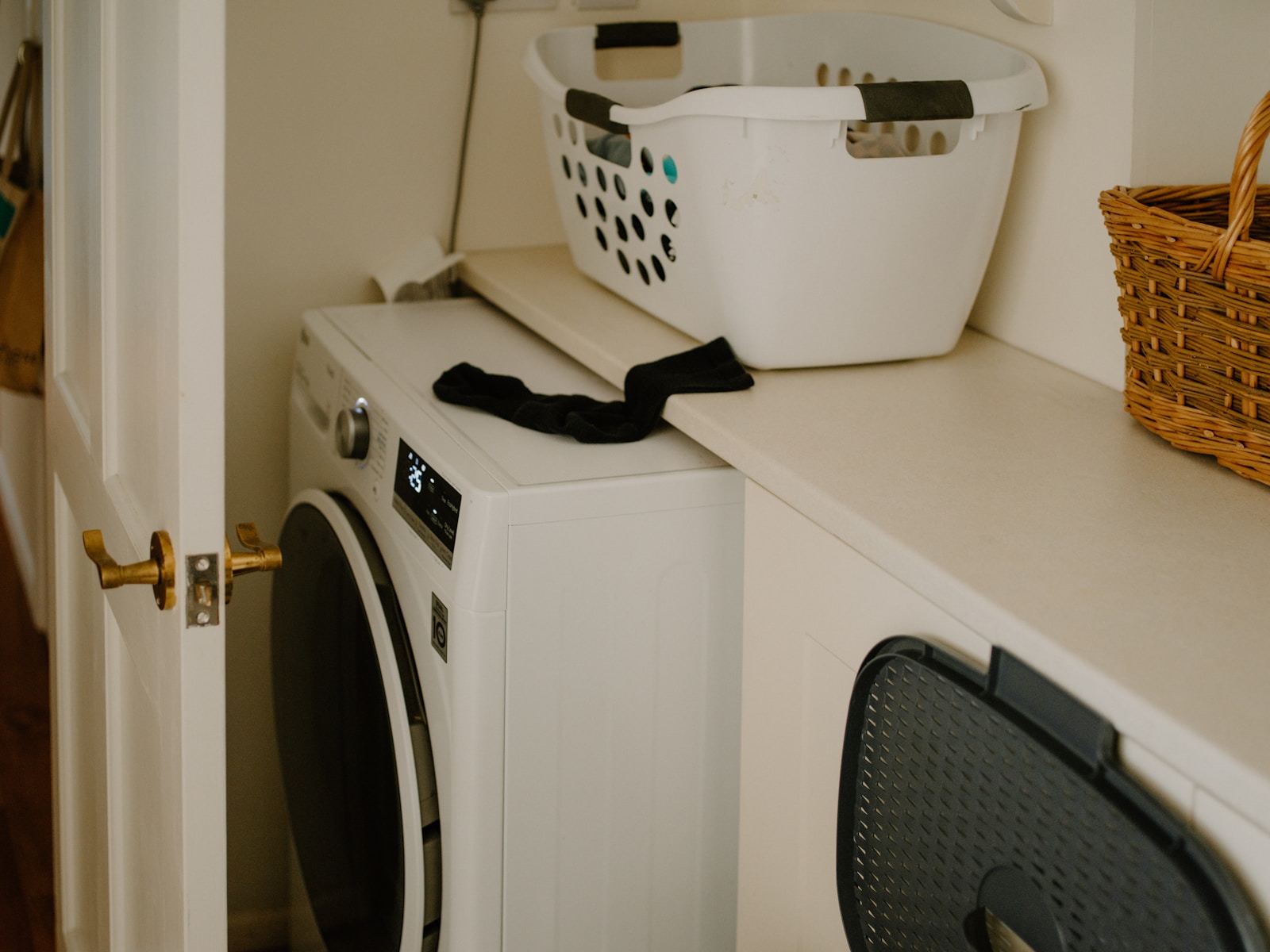
In a situation that has left many renters scratching their heads, an asset management company recently directed tenants to troubleshoot their broken washer by providing a guide generated through ChatGPT, instead of sending a professional repair technician. The incident has sparked conversation about the responsibilities of property management companies and the limits of technology in handling tenant issues.
The incident unfolded at a single-family rental property where the tenant, identified on Reddit as Spire259, experienced a washer malfunction. After promptly notifying their asset management company about the appliance breakdown, the initial response was surprisingly simplistic: the company suggested unplugging the washer and plugging it back in, a troubleshooting step that many might already know but often doesn’t resolve the problem.
After this initial attempt yielded no results, the asset management company informed the renters that they would consult the owner for further instructions. However, the following communication took an unexpected turn when the couple received an email containing a lengthy chat conversation generated by ChatGPT that outlined various repair tasks. These tasks included intricate steps and technical jargon that seemed more suited for a handyman than for everyday renters who may lack repair experience or tools. Spire259 expressed that both they and their wife are not particularly handy and simply do not have the time to take on what was described as “repairman level work.”
This raises a critical question: is it standard practice for property management companies to place the responsibility of repairs on tenants, particularly when it involves tasks that require specialized skills? Many renters would agree that the expectation should lean toward professional assistance, especially for repairs involving appliances like washers that are essential for daily household functioning.
The shift toward using technology, particularly AI, in property management has been gaining traction in recent years. Companies leverage AI for a variety of applications, from tenant screening to maintenance request automation. However, as this incident illustrates, there is a fine line between utilizing technology for efficiency and outsourcing responsibilities that should fall squarely on management’s shoulders. While AI tools can offer quick fixes and creative solutions, they should not replace the need for professional expertise when dealing with maintenance issues.
Having renters troubleshoot complex problems not only places undue pressure on them but also undermines the relationship between tenants and property management. The trust factor diminishes when companies prioritize tech solutions over personal service. Residents often enter into rental agreements with the expectation that property management will take care of necessary repairs, ensuring a smooth living experience free from the stress of DIY fixes.
Furthermore, this incident speaks volumes about transparency and communication within the rental market. If property management companies believe they are doing tenants a favor by cutting costs, they may want to reconsider their approach. Many renters are willing to pay a little extra for peace of mind, knowing that they can rely on experts to handle maintenance issues efficiently.
The frustrations expressed by Spire259 are not unique. Many tenants may relate to experiences where they felt unsupported in their rental situations. The evolving dynamic of technology and property management calls for a more balanced approach—one that leverages AI capabilities while still ensuring that renters have access to professional help for essential repairs.
In this particular case, renters may feel compelled to push back against the logic of completing “repairman level work” on their own. While the intent behind using AI-guided solutions can be seen as innovative, the practicality of that approach in a residential context is questionable. Given the intricate nature of home repairs, especially when it involves electrical appliances, the responsibility should ideally lie with the asset management company to arrange for professional service in a timely manner.
As renting dynamics continue to evolve, both renters and property managers may need to recalibrate their roles. For now, it remains to be seen whether this particular asset management company will take the feedback from current tenants to heart or whether they will continue to explore tech-driven solutions that might not align with renter expectations.
More from Willow and Hearth:
Leave a Reply