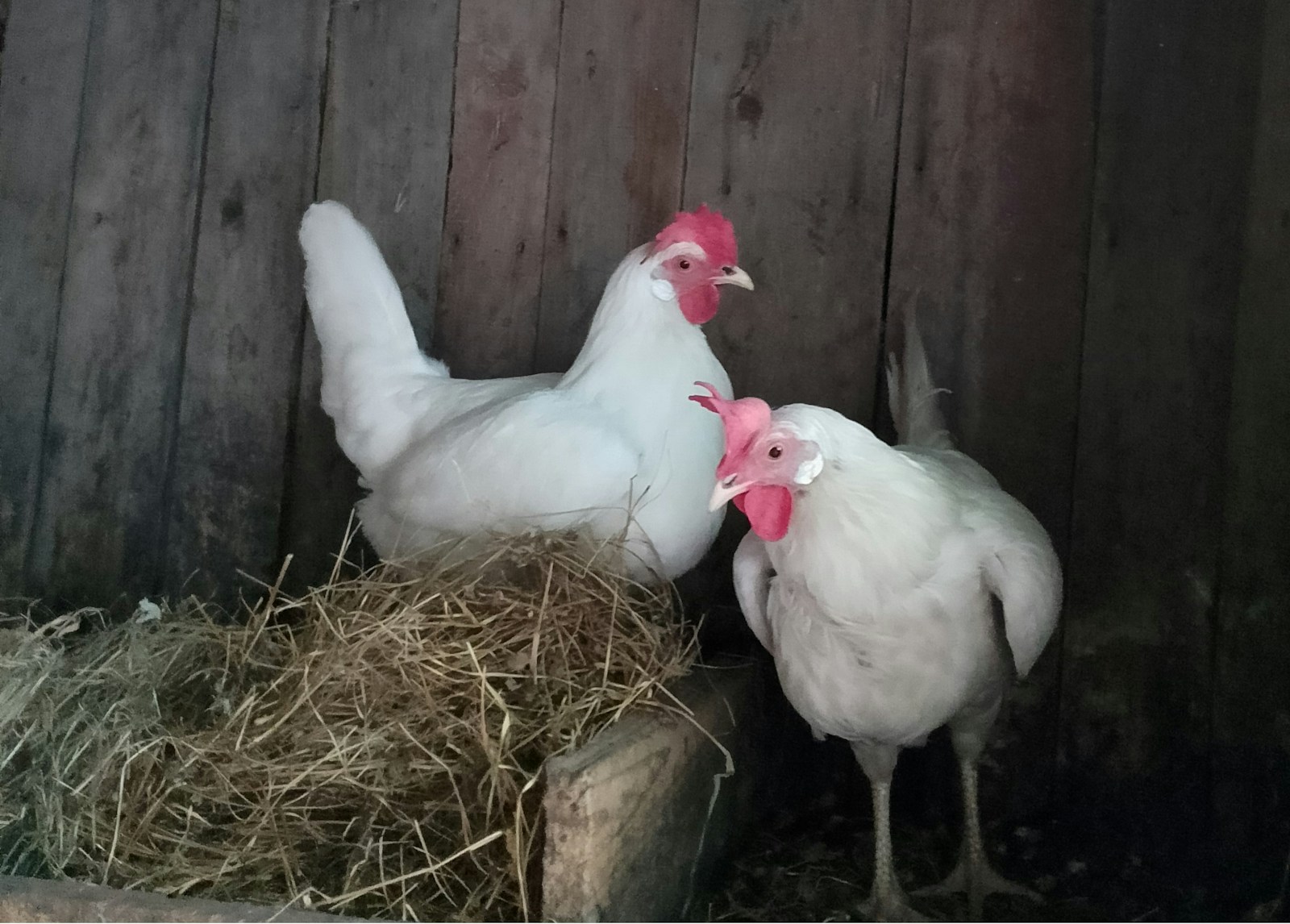
In a semi-rural community known for its right to farm, life usually hums along at a pleasant pace. Located a stone’s throw from local conveniences but still embracing a rural charm, the neighborhood has seen its fair share of residents. Recently, however, the arrival of a new couple, Becca and Kurt, fresh from the Boston suburbs, has stirred discussions among locals, particularly with one resident who is particularly fond of her chickens.
When Becca and Kurt moved into their newly renovated farmhouse, they were eager to connect. While out for a walk one afternoon, Becca spotted a neighbor tending to her garden and seized the opportunity to chat. The neighbor, who prefers to keep her identity under wraps, was busy letting her chickens roam freely in the yard. After a quick exchange of pleasantries, the vegan couple began asking questions about the garden, the neighborhood, and the local town. It quickly became clear that Becca was passionate about gardening, having enjoyed a community garden in their previous home. Kurt, however, seemed less enthusiastic, perhaps hinting at his more relaxed approach to their vegan lifestyle.
During the conversation, Becca learned that the neighbor raises chickens solely for their eggs. However, her response raised a few eyebrows. “An egg is still a chicken,” she declared, an assertion that sparked a light-hearted debate. The neighbor, chuckling, attempted to explain that without a rooster, the eggs produced would remain unhatched—and thus, just eggs. But the discussion shifted as Becca passionately argued that chickens should be allowed to roam freely, a statement met with a reserved laugh from the neighbor.
As the conversation progressed, it was evident that Becca’s enthusiasm for advocating for the chickens didn’t quite line up with the realities of semi-rural life. The neighbor pointed out the various predators that lurked in the area: hawks, coyotes, and even bobcats. She had lost chickens to such wildlife in the past, resulting in a cautious approach when it came to free-ranging her flock. Unfortunately, the mention of these threats did little to deter Becca’s stance.
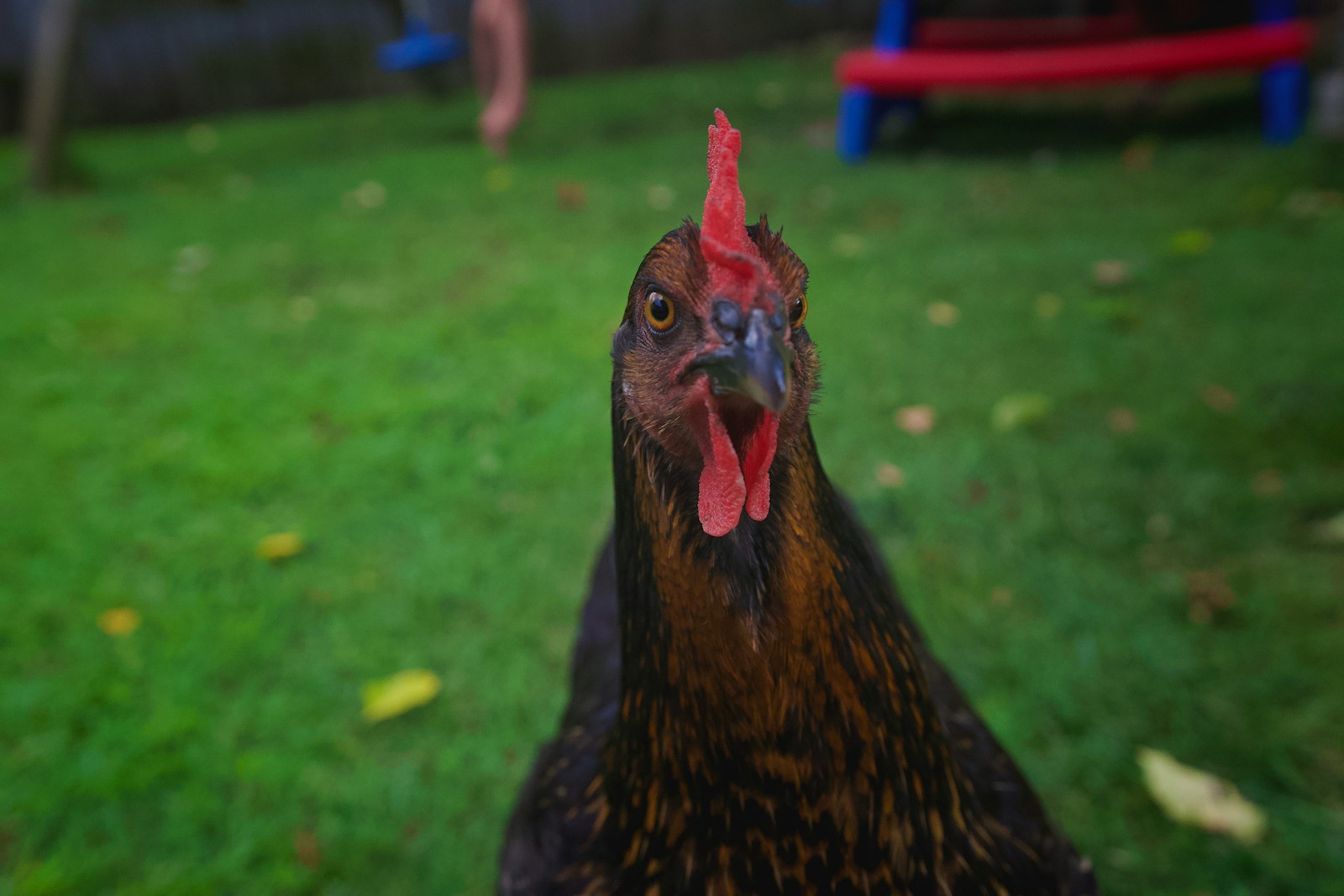
Despite the friendly banter, the discussion took a slightly humorous turn when one of the neighbor’s most sociable chickens, Cuddles, waddled up to Becca’s feet. Cuddles was known for her gentle demeanor and affinity for being held. After some encouragement, Becca scooped Cuddles up for some affection, and the two seemed to hit it off. But then came the unexpected request: “Can I keep her?” Becca asked, a sparkle of hope in her eyes.
The neighbor, still chuckling at the absurdity of the request, quickly replied, “Sorry, no, Cuddles lives here. She’s one of my favorites and has been with me for six years.” This left Becca momentarily taken aback. “You have so many chickens,” she responded, “You wouldn’t miss one!” The neighbor, still amused, explained that it wasn’t about the number of birds but rather the bond they shared. Cuddles wouldn’t thrive if uprooted from her current home, which again was met with some pushback from Becca.
After a series of back-and-forth exchanges about chickens, community gardening, and free-range philosophies, the neighbor felt a familiar sense of productive banter turn slightly tedious. Having made her point about the realities of chicken-keeping in their neighborhood, she politely excused herself to return to her yard work, leaving Becca and Kurt to ponder their new rural lifestyle.
As the neighbor resumed her gardening, she couldn’t help but reflect on the interesting dynamic brewing in her semi-rural community. Becca and Kurt’s urban sensibilities might offer a fresh perspective, but it was clear that their well-meaning intentions were met with the practicalities of country life. With spring arriving in full bloom, it appears there’s plenty more that this neighborly relationship has in store.
More from Willow and Hearth:
Leave a Reply