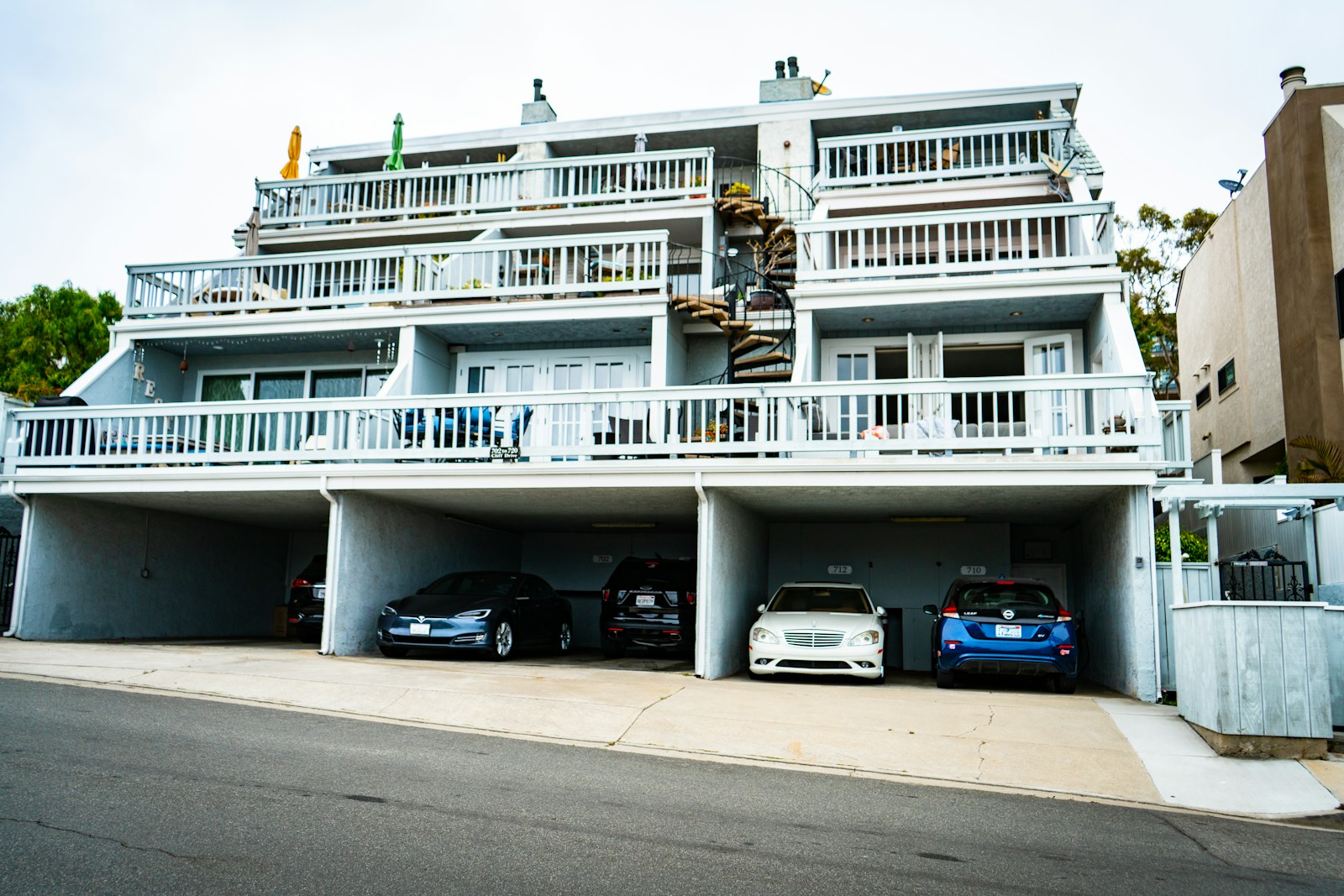
In a surprising turn of events, an Oregon tenant has been faced with an unexpected ultimatum from their apartment complex. A notice left on their door has now put them and their housemates in a tight spot, stating that any households with more than two cars will be required to rent a garage for an additional $100 a month, despite this rule not being mentioned in their original lease agreement.
The tenant, who lives with their partner and a roommate, has been a resident of the complex for nearly two years. They had plans to move out come May but are now questioning their options due to this sudden policy change. “We have our own cars, and when we signed our lease, there was no such rule,” the tenant shared. Shifting dynamics in apartment living can often spark disagreements, and this latest demand seems to be causing just that.
Parking has always been a concern within the complex. While there are reserved spots available for an extra charge, the idea of suddenly needing to rent a garage feels excessive to the tenants, especially as they navigate the costs of living. With rising expenses, the idea of adding an extra $100 to their monthly bills during a time when they were already planning to move has left them feeling frustrated and cornered.
As the tenant pondered their rights in this situation, questions arose: Can the landlord enforce this sudden rule? Will it be included in the renewal of their lease? These uncertainties are often part of the complex relationship between landlords and tenants, leaving many feeling vulnerable to arbitrary changes. The poster’s predicament highlights a common struggle many renters face when managing expectations around their living situations.
When the tenant shared their predicament, they were met with a spectrum of reactions from their peers. Many focused on the financial burden this added rule would create, especially in a climate where many are already feeling the strain of rising costs. Others expressed dismay over the suddenness of the landlord’s approach, with some stating it reflects a lack of respect for tenants and their right to fair notice concerning lease agreements.
Some commenters were quick to point out potential legal avenues available to the tenant, suggesting that the landlord may be violating tenant rights by implementing a retroactive policy without proper notice. Others debated the overall ethics of the landlord’s decision, weighing the plausibility of adding such a burden right before lease renewal. Conversations about tenant rights and responsibilities took center stage as many shared similar experiences from their own lives.
While many sympathized with the tenant’s frustration, the larger implications of landlord-tenant dynamics became a focal point in the ensuing discussion. For some, this was just another example of how housing providers can manipulate contracts and expectations, leaving tenants scrambling to adapt. The debate continued, surrounding the balance of power in renting situations, the ethics of charging for parking, and the ever-pressing question of how much control landlords truly have over their tenants’ living conditions.
As the tenant weighs their options, the unresolved tension lingers—should they challenge the landlord, potentially risking their living situation, or comply with the new demand and extend their time in the complex? The notion that they may be forced to pay an extra $100 a month for something that was never part of the deal is not just a minor inconvenience; it represents a larger battle many renters face in negotiating the fine print of their leases. For now, the clock is ticking as they approach the time when they must decide whether to renew their lease or seek a more accommodating living arrangement.
Original discussion: https://www.reddit.com/r/landlords/comments/18k512g/landlord_adding_new_rules/
Leave a Reply