A living room can feel snug and inviting one week and strangely cramped the next, even when you have not moved a single wall. The difference often comes down to one deceptively cozy habit: packing the room with plush seating, layered textiles, and decorative extras until the space quietly shrinks around you. By understanding how that “more is more” approach backfires, you can keep your home warm and welcoming without making it look smaller overnight.
The core mistake is not comfort itself but the way you chase it, from oversized sofas and too many chairs to dark curtains and tiny rugs that chop up the floor. When you start editing those choices with scale, light, and circulation in mind, the same room can suddenly feel taller, wider, and calmer, even if the square footage never changes.
The Real Culprit: Too Much Furniture, Not Enough Space
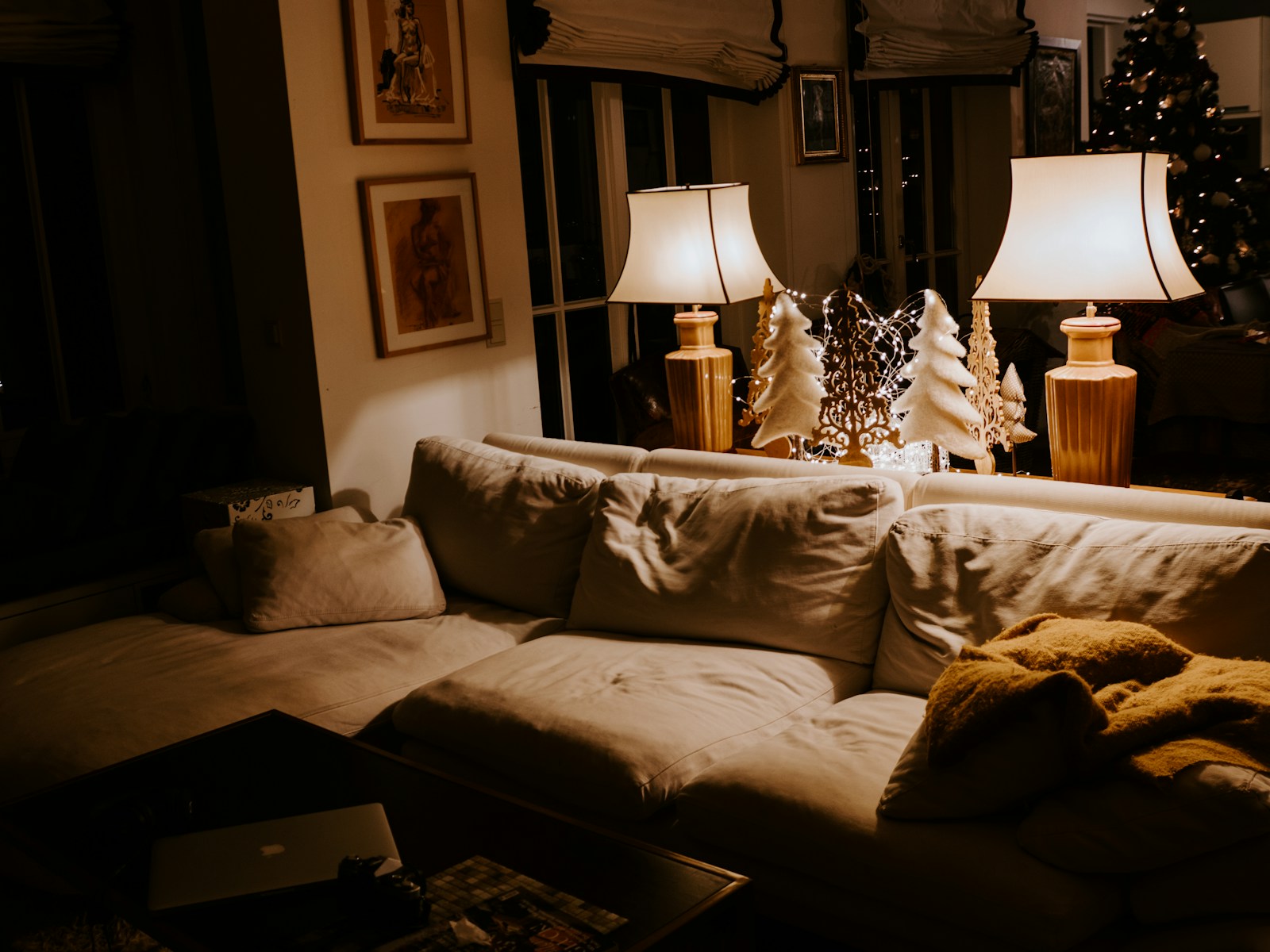
The fastest way to visually shrink a living room is to crowd it with seating and tables until every wall is lined and every corner is spoken for. Designers consistently flag “Having Too Much Furniture” as a top error in Decorating Mistakes That Are Making Your Small Space Feel Even Smaller, because each extra piece steals a bit of breathing room from the floor and sightlines. When you add in bulky silhouettes and deep arms, the effect multiplies, and what was meant to feel cozy starts to read as cramped.
That cluttered feeling is not just about quantity, it is also about proportion. Oversized sofas, chairs, and sectionals can dominate a room so completely that even a generous footprint feels tight, which is why experts list Oversized furniture among the “Key Points” that make a home feel cramped. If you are squeezing past the coffee table or angling your body to slide between a chair and the wall, the layout is working against you, no matter how soft the cushions are.
Ignoring Scale: When “Cozy” Turns Cluttered
Scale is the quiet design principle that decides whether your living room feels like a lounge or a storage unit. When you ignore it, even well-chosen pieces start to fight each other, as highlighted under “Ignoring Scale” in Decorating Mistakes That Are Making Your Small Space Feel Even Smaller. A petite room with a massive sectional, a tiny rug, and a tall bookcase will always feel off balance, because your eye cannot settle on a clear hierarchy of shapes and sizes.
Rugs are one of the biggest offenders here, especially when you undersize them in an attempt to “open up” the floor. In reality, a too-small rug chops the room into awkward islands, which is why “Undersizing The Rug” appears among the Pain points that make a home look tiny. When the rug does not reach under the front legs of your sofa and chairs, the seating area feels like it is floating, and the room reads as smaller and more cluttered instead of grounded and expansive.
Layout Traps: Pushing Everything to the Walls
Even if you own the right pieces, a poor layout can undo them in an instant. One of the most common traps is shoving every sofa and chair against the walls in the name of maximizing floor space, a habit flagged in coverage of Pushing All the furniture out. Designers note that you ideally want to walk into a room and encounter intentional groupings and visual pauses, not a ring of seating that hugs the perimeter and leaves a dead zone in the middle.
Rearranging can be just as powerful as decluttering, especially when you stop treating walls as the only anchor points. Guidance on Don’t purchase a “Rug That” is “Too Small” and do not shove all the furniture to the edges underscores how a floating seating arrangement can actually make a room feel larger. Pulling the sofa slightly off the wall, tucking a chair on an angle, and centering a correctly scaled rug underfoot creates a defined zone that feels intentional and airy instead of like a crowded waiting room.
Visual Weight: Clutter, Dark Fabrics, and Busy Walls
Even when the furniture count is reasonable, visual clutter can quietly compress a room. Designers point to Clutter, “Overuse of Pattern,” and “Low Ceilings” as key “Design Mistakes Making Your Home Feel Smaller,” because too many trinkets, pillows, and competing motifs keep your eye bouncing from object to object. When every surface is layered with decor, the room stops reading as a single space and starts feeling like a series of crowded shelves.
Color and fabric choices can have the same shrinking effect. Heavy, Dark curtains and low-slung drapery lines block daylight and visually lower the ceiling, while accent walls and high-contrast trim can chop up the envelope of the room. Coverage of “Creating” an Accent Wall notes that these once-trendy moves can now make spaces feel smaller, especially when the contrast is strong. Softening the palette, simplifying patterns, and letting windows regain their starring role can instantly restore a sense of openness.
Lighting and Sightlines: How Pros Fake More Square Footage
Light is one of the most powerful tools you have to counteract a crowded layout, and it is often underused. When experts list “Not Enough Natural” light among the Design Mistakes Making Your Home Feel Smaller, they are pointing to a simple truth: dim rooms feel tighter. Pulling back heavy drapes, choosing lighter fabrics, and keeping window sills clear of objects allows daylight to wash the walls, which visually pushes them outward.
Artificial lighting and clear sightlines can finish the illusion. Advice on How to “Make” a “Small Room Look Bigger” with “Simple Tricks” emphasizes layered lighting, mirrors, and low-profile furniture that does not block views across the room. When you can see more floor and more wall in a single glance, your brain reads the space as larger, even if the furniture count has not changed.
Quick Fixes: Edit, Elevate, and Rebalance
Once you recognize that the real problem is an overstuffed, over-decorated room, the path to a more spacious look becomes straightforward. Start by editing: remove one seating piece, clear a side table, or pack away a few throw pillows and accessories. Designers who outline Oct “Small Space Mistakes Making Your Room Feel Tiny” often recommend this kind of subtraction first, because it immediately reveals which items are actually pulling their weight.
From there, focus on elevating what remains and rebalancing the layout. Guidance on Sep “Common Living Room Design Mistakes” highlights how mixing heights, adding a bit of layering, and choosing the right rug size can make a room feel curated instead of cluttered. Similarly, coverage of Living Room Layout Mistakes That Will Instantly Make Your Space Feel Smaller underscores that the way you arrange your pieces is often an easy fix once you know what to look for. When you combine thoughtful editing with better scale, lighter fabrics, and smarter circulation, your living room can stay as cozy as you want without sacrificing a single inch of perceived space.
Leave a Reply