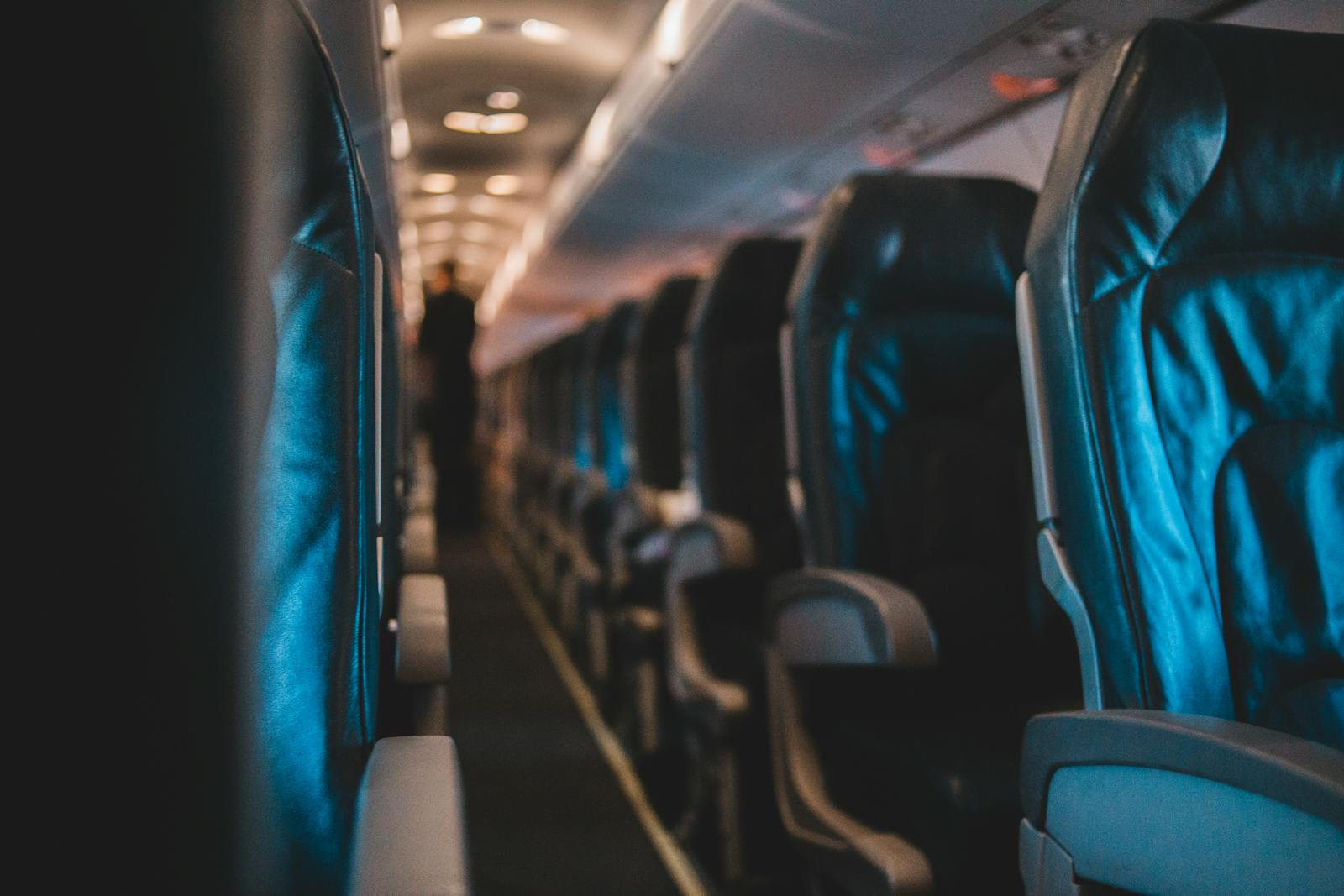
In the ever-changing landscape of air travel, the question of in-flight etiquette often takes center stage. A recent incident on a lengthy flight has brought this issue back into the spotlight, showcasing how personal boundaries can clash in confined spaces. On a packed Boeing 747-400, a passenger, let’s call her Sarah, found herself embroiled in a heated exchange over seat reclining—a common practice that can sometimes lead to unforeseen tensions.
During the long-haul journey, Sarah, seated in economy class, decided to recline her seat after the meal service. Cramped quarters in standard economy seating can be unforgiving, and after spending hours sitting upright, most travelers can relate to the urge for a little comfort. As Sarah adjusted her seat, she heard an unusual commotion from directly behind her. Initially dismissing it as background noise from her tablet or perhaps an involuntary reaction from her seatmate, she was startled when a stern voice broke through the haze of in-flight relaxation.
“Whoa, whoa, whoa! You almost hit my daughter!” the man behind her exclaimed, concern palpable in his tone. Sarah, caught off guard, turned to see a child, perhaps just three or four years old, directly behind her. There was an immediate sense of disbelief. How could a child be positioned in a way that placed her head in the trajectory of a reclining seat? The air of confusion transformed into an unanticipated dialogue about responsibility and awareness in close quarters.
The father insisted that Sarah must warn him every time she intended to recline, ensuring that his daughter would be safe from the potential hazards of her seat moving back. At this moment, Sarah’s desire for comfort collided with the father’s instinct to protect his child. In a state of shock and just wanting to avoid confrontation, Sarah acquiesced, returning her seat to the upright position and forgoing the benefits of reclining for the remainder of the journey.
After the incident, Sarah’s partner shared her sentiments that the father was out of line, suggesting that the parents should have made sure their daughter was settled properly in her seat. Additionally, Sarah’s mother-in-law chimed in with an opinion rooted in practicality, noting that families with young children may want to consider reserving seats with more space, such as Premium Economy, rather than placing their child at risk of a reclining seat. The mixed opinions among Sarah’s companions only added to her feeling of bewilderment and guilt.
This encounter raises interesting questions about the unwritten rules of air travel and space-sharing among passengers. Some travelers might argue that reclining is a basic right in economy class, a way to combat the discomfort of long flights. Others may recall incidents where reclining seats have ignited tempers, turning fellow travelers into adversaries. There’s an undeniable imbalance in how the experience of flying can differ between families, solo travelers, and those simply seeking a few moments of respite from their upright position.
For many, the confined conditions of an airplane emphasize the need for personal respect and consideration, balancing comfort with caution. Passengers like Sarah who recline their seats have likely done so out of necessity after long hours in transit. At the same time, parents traveling with young children may feel the weight of their responsibility, wanting to ensure their child is safe in a setting that offers little room for movement. These realities can easily lead to misunderstandings and conflict.
As Sarah wrestled with the emotions stirred up by the incident, the larger conversation about etiquette in economy seating came to light. Are there unwritten rules that passengers should adhere to when it comes to reclining? Should passengers have to seek permission, or at the very least, give a heads-up before reclining their seats? As the debate continues to unfold in social circles and online forums, it’s evident that air travel is a shared experience that requires creativity, consideration, and often a good sense of humor amidst the challenges that come with confined spaces.
Ultimately, this incident serves as a reminder of how personal dynamics can shift in a public environment, and how the quest for comfort in the skies can spark unexpected interactions and reactions. In the world of air travel, every journey carries its own story—this one just happens to highlight the delicate balance between comfort and caution.
Original discussion: https://www.reddit.com/r/AmItheAsshole/comments/1tvsheh/aita_for_not_checking_in_before_reclining_seat/
“`
Leave a Reply