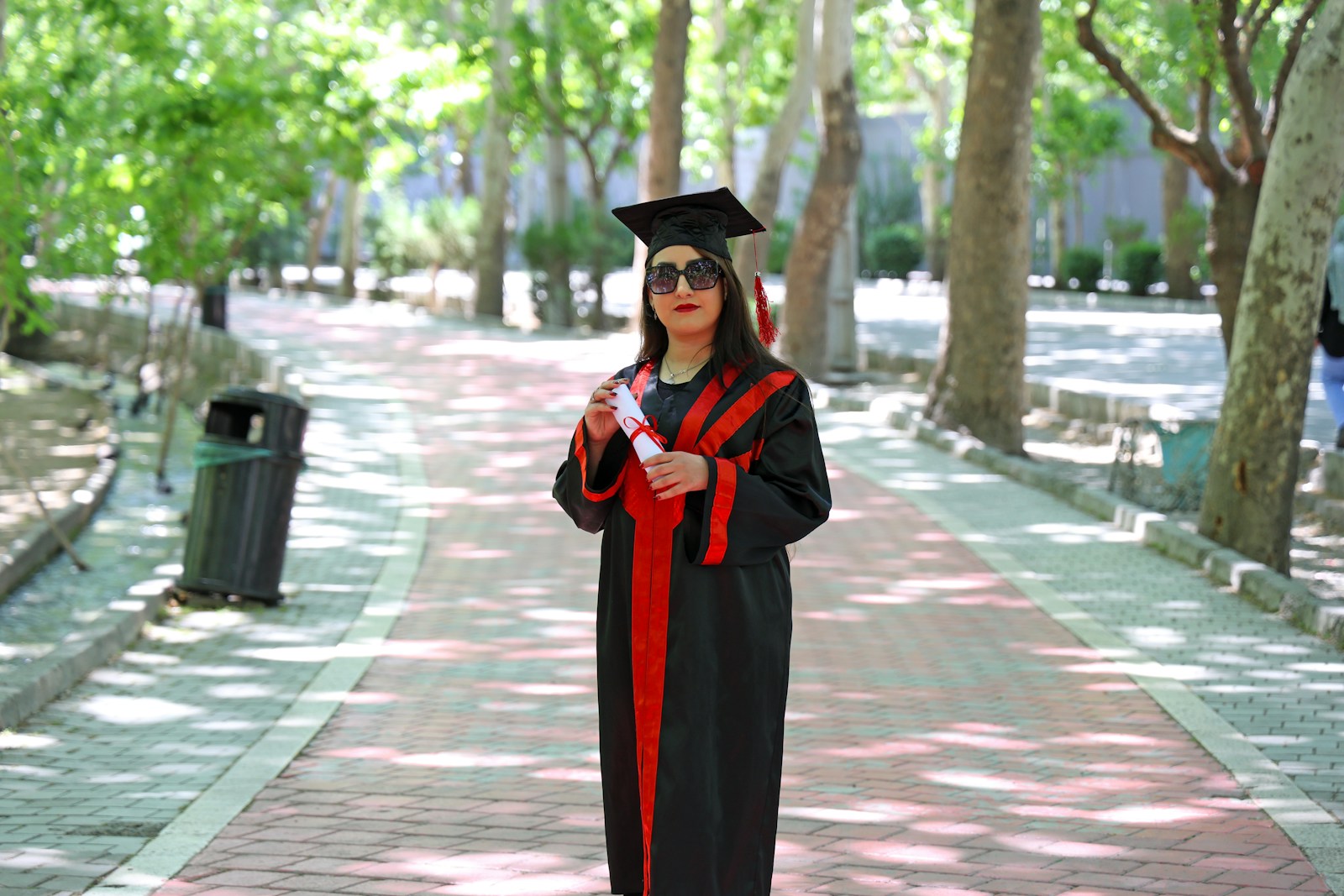
The daughter, a 19-year-old college student, has been supportive of her mother’s academic aspirations, initially helping her create PowerPoint presentations for her assignments. Yet, this supportive gesture took a turn when the mother requested her daughter to complete all of her online homework assignments as well. The daughter was accommodating at first, willing to help out with a few tasks. However, when the requests escalated to a demand that she manage every single assignment posted, she drew the line.
Feeling overwhelmed by the expectations placed upon her, the daughter expressed her reluctance to take on such a significant burden. The mother’s justification was that since it was summer break and her daughter had no homework of her own, it was a reasonable request. This reasoning, however, did not sit well with the daughter, who firmly believed that the homework assignments belonged to her mother alone.
Despite offering her laptop for her mother’s use, the request continued to come, leading to a confrontation that left both parties frustrated. The mother accused her daughter of being selfish, suggesting that the least she could do—given that her mother funds her college education—was to support her through the homework process. This emotional appeal, while touching, left the daughter feeling more like a scapegoat than a supportive family member.
What ensued was a breakdown in communication, with the mother choosing to shut her daughter out entirely, going so far as to label her as selfish to other family members. This situation raises questions about boundaries, responsibilities, and the complexities of parent-child relationships in the context of education.
As more families navigate the challenges of education, it’s essential to recognize how these dynamics can shift. The daughter, who is exploring her own academic path, finds herself caught between supporting her mother’s aspirations while trying to maintain her independence and focus on her studies. It begs the question: When does helping become enabling, and how does one balance familial obligations with personal boundaries?
While it’s admirable that the mother is taking steps to further her education, the expectation that her daughter should shoulder the workload can be seen as an unfair burden. After all, education is about personal growth and responsibility—principles that should be upheld at every age. The daughter’s perspective that her mother’s academic journey belongs to her should be respected, as it emphasizes the importance of learning through experience, not just through delegation.
This story has sparked conversations online about the responsibilities of parents and children, particularly when it comes to education. Many users have voiced their opinions on platforms like Reddit, where discussions about the balance of support and obligation in educational settings have become increasingly relevant. It seems to resonate with anyone who has faced similar dilemmas in their own lives.
As the daughter stands firm in her decision not to do all of her mother’s homework, she embodies the struggle many young adults face: wanting to support a family member while also asserting their independence. The resolution of this familial conflict may not be clear-cut, but it certainly invites a broader dialogue about the nature of educational support and the importance of encouraging personal accountability.
In the end, the relationship between a parent and child, especially in the context of education, can be intricate and layered. While both parties have valid points, how they navigate their expectations and responsibilities will ultimately define the outcome of this situation.
Original discussion: https://www.reddit.com/r/AmItheAsshole/comments/1tvsxew/aita_for_not_agreeing_to_do_all_of_my_mothers/
Leave a Reply