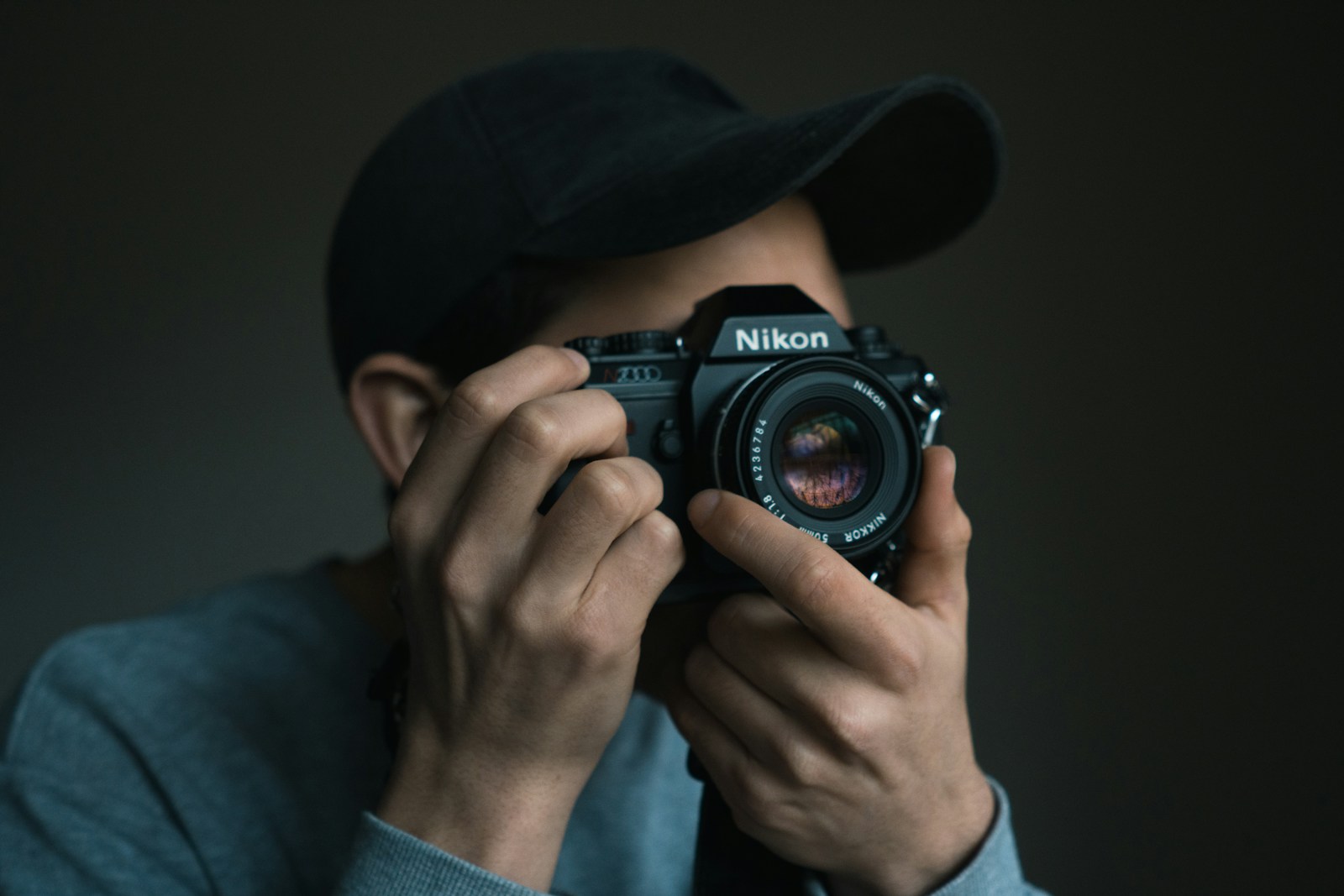
In the world of photography, having high-quality gear is paramount, and for one professional photographer, a recent trip to the city center proved to be both a rewarding shopping experience and a challenging social interaction. After purchasing a prized $2,000 camera lens, the photographer faced an unexpected and intense confrontation that has since sparked a lively debate online.

After spotting a sale on a camera lens he had been eyeing, the photographer decided to make the purchase. However, the store’s choice of a conspicuous “SONY” bag to carry his new gear became a pivotal point in his story. With nightfall approaching, the photographer felt uneasy about walking around the city with such an obviously valuable item. To mitigate any risk, he opted to place the lens in the trunk of his car before heading out for dinner.
As he walked back to his parked car, an individual appeared behind him, asking for spare change. The man, appearing somewhat disheveled, followed the photographer into the parking lot but left shortly after being told the photographer didn’t carry cash. Upon closing the trunk and preparing to leave, the photographer felt a twinge of anxiety, wondering if the man might return to target his vehicle now that he knew valuables were inside. This caution stemmed from a previous experience where his car was broken into, making him hyperaware of potential risks.
In a bid to ensure the safety of his valuable equipment, the photographer made the decision to pay for parking and relocate to another lot for dinner. He thought this pre-emptive measure would help him avoid any issues, even though it required additional effort on his part. However, upon returning from dinner, fate brought him face-to-face with the same man outside the entrance of the new parking lot.
Wearing a distinctive blue jacket, the photographer was quickly recognized, leading the man to confront him with a pointed accusation about his suspicions. “Thought I was going to break into your car, did you bro?” echoed through the car park, leaving the photographer at a loss for words. He attempted to walk away, but the confrontation escalated, with the man accusing him of racial stereotyping aimed at unhoused individuals. The situation grew heated as the man hurled insults, some of which were ironically racially charged.
As the confrontation unfolded, other passersby began to take notice of the escalating drama, adding to the photographer’s stress. The man even pulled out his phone to record the interaction, intensifying the atmosphere of discomfort. The photographer focused on completing his parking payment to extricate himself from the situation, but the man continued to shout threats and accusations.
Just when it seemed that the confrontation would spiral further, a security officer, having noticed the commotion, intervened. This timely arrival allowed the photographer to finally leave the parking lot and escape the uncomfortable scene.
This incident raises questions about judgments made in everyday situations and the sometimes unexpected reactions they can provoke. Many who read the photographer’s account online have debated whether his actions were justified or whether he overreacted to a harmless interaction. The conversations around these events are complex, touching on themes of safety, perception, and social norms.
For many, the photographer’s instinct to protect his valuable gear was understandable. In an age where personal safety and the protection of one’s belongings are often prioritized, his decision to move his car seems rational, albeit triggering the unfortunate confrontation. The incident serves as a reminder of the complexities of human interactions and the assumptions people make about each other based on appearance and circumstances.
Overall, the story illustrates the unpredictable nature of urban life, where something as simple as a parking lot encounter can lead to misunderstandings and heightened tensions. As discussions continue online, the community reflects on broader issues of homelessness and societal perception, showcasing that what often begins as a personal dilemma can open a platform for deeper conversations.
More from Willow and Hearth:
Leave a Reply