The smoke alarm on your ceiling may look perfectly normal and still be useless. The U.S. Consumer Product Safety Commission is telling people to stop using two models of combination smoke and carbon monoxide alarms sold on Amazon and eBay, because they can fail to sound when smoke or fire is present.
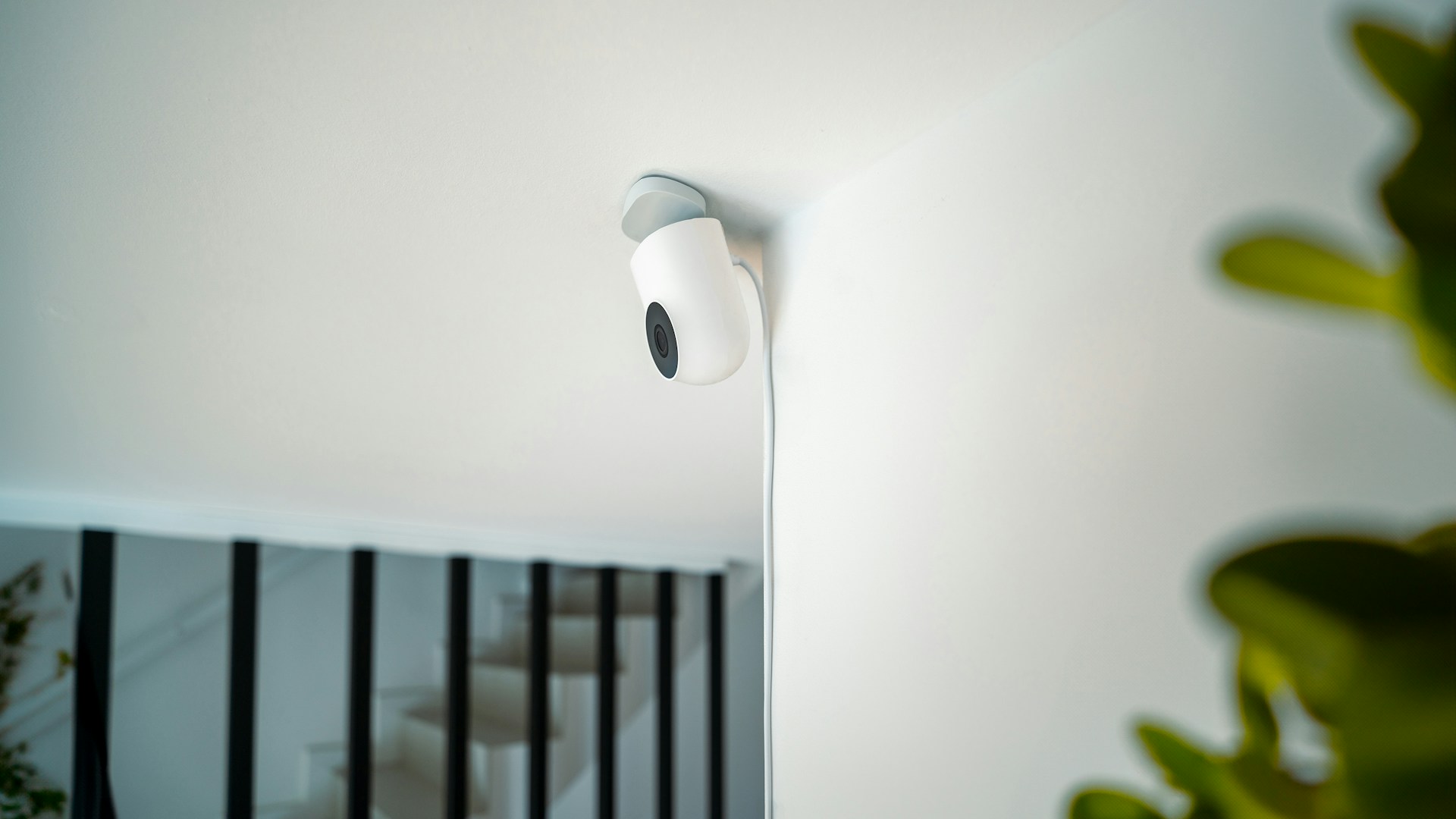
The agency issued both warnings on Oct. 29. Medical Daily summarized them in a report on the CPSC warning about online smoke and CO alarms.
The twist is what is missing: there is no recall here, because the sellers have not answered the agency.
Two Models, Several Brand Names, And No Company Refund
The first warning covers about 51,825 alarms, model JZA-540COM, sold under the JuzhiAnn, Yfwsrecinoe and JAEHSKA brand names from November 2023 through October 2026. The CPSC is aware of seven reports of these alarms failing to alert in the presence of smoke or fire.
The second covers GuardianSense and KLTseanife alarms, model YHW-542COM-R, sold from September 2025 through June 2026. The agency cited two reports of those alarms failing to alert.
In both cases, the companies have not responded to the CPSC’s request to recall the products. That means there is no company refund or replacement program.
White Plastic Boxes With A Digital Display, Sold For $11 To $168
Both products are white plastic combination alarms with a digital display, sold singly or in multipacks. The JZA-540COM alarms sold for about $11 to $107, and the YHW-542COM-R alarms for about $18 to $168.
The JZA-540COM alarms were made in China and sold by Shenzhen Laijinhe Trading Co., Ltd., which does business as Yfwsrecinoe US. The YHW-542COM-R alarms were made in China by ShenZhen YuFangWeiShi Technology Co. and sold by Shenzhen Lixiang Xiancai Co., Ltd.
For the GuardianSense alarms, the CPSC says the model number and manufacturer are listed on the back of the device. If you are not sure what you bought, take an alarm down, check the label, and compare it with your Amazon or eBay order history.
No Injuries Reported, But “Serious Injury Or Death” Is The Risk
The CPSC did not report any injuries or deaths linked to either model, but it said the failures create a risk of serious injury or death. Neither warning describes a problem with the carbon monoxide sensor.
These are warnings, not recalls. Because the companies have not responded, owners should not wait for a letter or a refund offer before acting.
The agency’s advice is to stop using the alarms immediately and dispose of them. Do not sell them or give them away.
An Alarm That Stays Silent Gives A Family False Confidence
A smoke alarm matters most when people are asleep and cannot see or smell smoke spreading. For sleeping residents, the sound is often the only warning to get out.
Smoke alarms cut the risk of dying in a home fire in half, according to the National Fire Protection Association. A device that looks fine on the ceiling but stays silent in a real fire can give a household false confidence.
Households that bought low-cost multipacks to cover several rooms may have more than one affected unit. Homes with young children, older adults, people with limited mobility or people who are hard of hearing have particular reason to check every alarm.
How To Replace Them Properly
Households should swap the alarms right away for working smoke alarms and carbon monoxide detectors. The CPSC recommends installing alarms on every level of the home and outside separate sleeping areas, using battery-operated units or units with battery backup, and testing them often.
When buying replacements, the agency says to choose only alarms that meet the UL 217 and UL 2034 safety standards. UL 217 is the standard for smoke alarms, and UL 2034 covers carbon monoxide alarms. Look for those standards on the product listing and the packaging before you buy.
Cost does not have to stand in the way. Some local fire departments and American Red Cross chapters offer free smoke alarm installation, and you can call your fire department’s non-emergency line to ask.
Carbon Monoxide Is A Separate Danger Worth Knowing
Carbon monoxide has no color or smell. Symptoms of poisoning can include headache, dizziness, weakness, nausea, vomiting, sleepiness and confusion.
Anyone with those symptoms at home, especially if several people in the household feel sick at once, should get outside to fresh air immediately and then call 911.
Your Quick Action List
- Check the label on the back of every combination alarm in your home against the model numbers JZA-540COM and YHW-542COM-R.
- If you have one, take it down, stop using it and dispose of it.
- Replace it with a unit listed to UL 217 and UL 2034, and test every alarm in the house.
- Report a failed alarm at SaferProducts.gov, the CPSC’s public database. Reports help the agency spot patterns and decide whether further action is needed.
- Contact the marketplace where you ordered to ask about returns, though the warnings do not promise a refund.
The two warnings add to a growing list of CPSC alerts about low-cost combination alarms sold through online marketplaces by overseas sellers. A low price and a high review count are no proof that an alarm passed independent testing, so check the safety standards before you buy.
More Stories You May Like
- PowRyte Pressure Washers Sold Online For Up To $320 Have No Shock Protection At The Plug And The Seller Has Gone Silent On A Recall
- Minnesota Man Becomes A Home Inspector Just By Declaring It Because The State Requires Nothing, Then Shows How Sellers Win By Never Looking For Mold
- Smoke And Carbon Monoxide Alarms Wear Out Around The 10 Year Mark According To Manufacturer Guidance So Check The Date On Yours Tonight
Leave a Reply