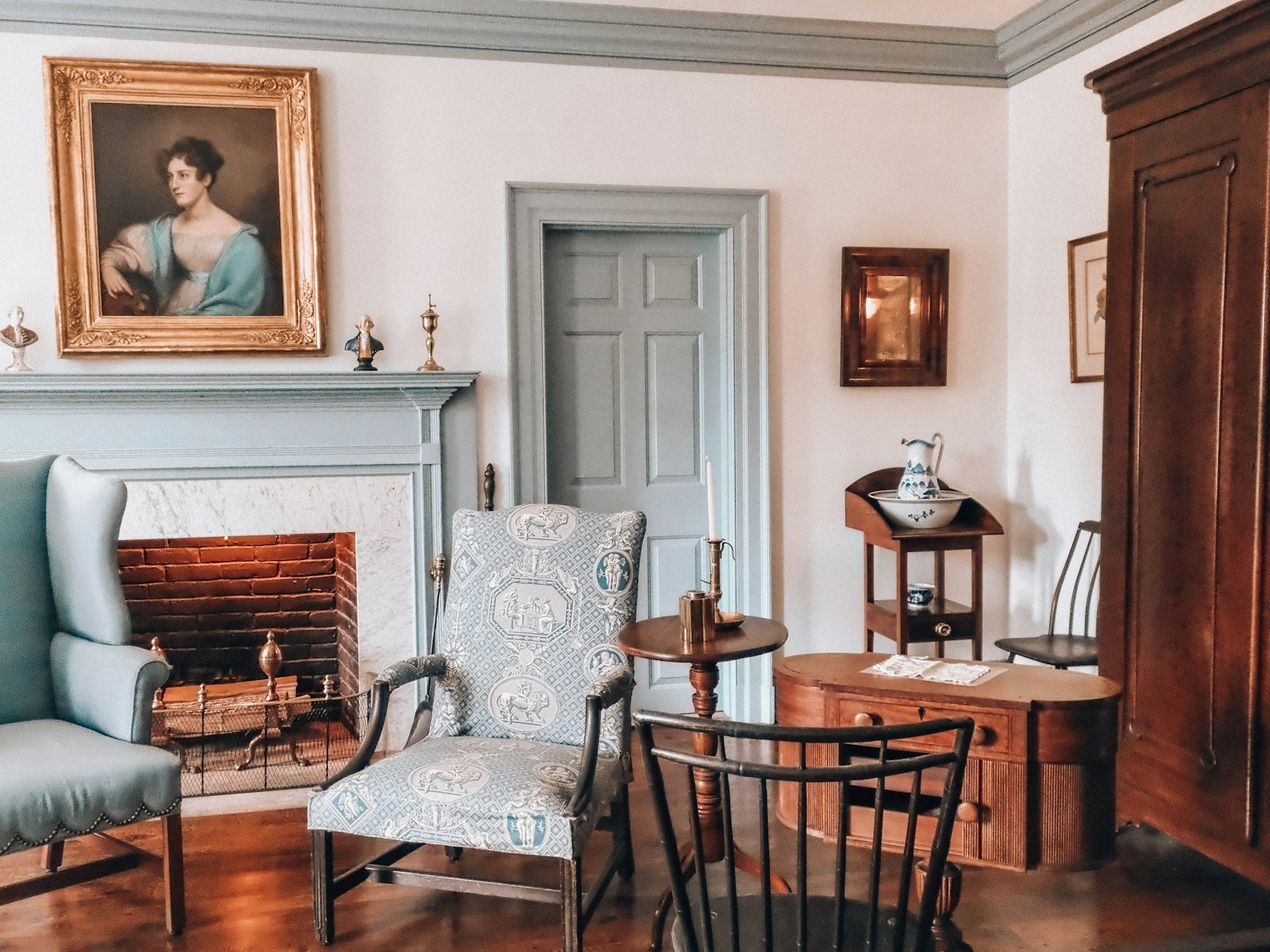
For one poster, returning to their family home has transitioned from a nostalgic experience to a surreal ordeal. The space, once a place of comfort, has transformed into a chaotic maze of DIY projects and antique clutter, leaving the occupant yearning for a sense of serenity. This heartfelt account reveals the struggles of living in a home that has become more of a renovation graveyard than a sanctuary.
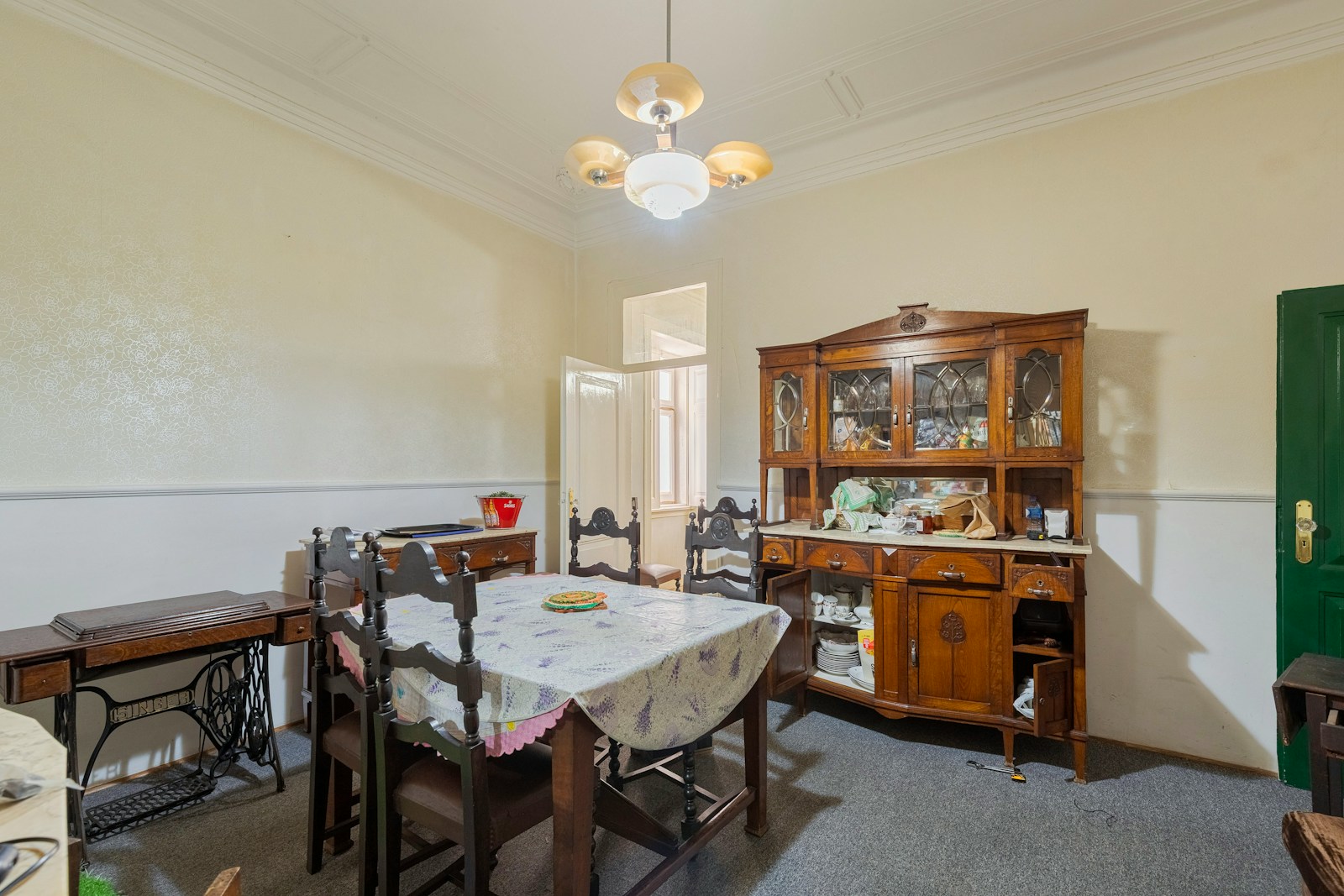
The saga began innocently enough when the poster’s parents developed a fascination with home improvement television shows, becoming increasingly obsessed with DIY renovations and the allure of antiques. What started as a hobby soon spiraled into a full-blown obsession. They began buying damaged items from “second-hand” shops, infusing their home with what the poster describes as “ugly goods” that cluttered both the interior and garden.
Eventually, the situation escalated when the parents decided to sell their existing home and purchase a new one—a house that had remained untouched for four decades and required extensive renovations. While they were optimistic about transforming the space, their lack of trade experience proved detrimental. After moving in, chaos ensued. The stress of the renovations took a toll, and tragically, one parent passed away before the work was completed. Years later, the house remains a mix of haphazardly finished rooms and abandoned projects, with the poster feeling trapped in a nightmare.
Undoubtedly, the aesthetic and practical issues are overwhelming. The homeowner described the house as “hideous,” with distressed paint jobs and structural details that “scream DIY gone wrong.” Scratches mar almost every surface, remnants of the hurried renovations. Clutter fills the rooms, as valuable storage space has succumbed to the display of antiques, leaving belongings to be stacked haphazardly and often damaged. Cleaning, when attempted, is a Herculean task, requiring a day’s effort just to navigate the chaos and create a livable environment.
Adding to the discomfort, the house lacks air conditioning, making hot summer days unbearable. One designated library room becomes a sun-drenched disaster zone, where book covers succumb to sun damage. Other rooms, intended for guest accommodation, are maintained, while spaces designated for storage devolve into disarray. Despite numerous conversations and shared frustrations, attempts to address the situation fall on deaf ears. The parents acknowledge their choices but exhibit a persistent reluctance to consider any viable solutions, including selling the house and their other properties.
The poster’s emotional turmoil resonates as they express a deep sense of exhaustion and frustration. Returning from university, they hope for change—only to find the same clutter and unresolved projects greeting them like an unwanted guest. With a heavy heart, they contemplate the possibility that this distressing state of their family home may remain unchanged indefinitely, overshadowing the joy once found in returning home.
As the dialogue unfolds, readers have rallied around the poster’s plight, reflecting on the frustrations of living in a cluttered and disorganized space. Many sympathize with the poster’s struggle, emphasizing the emotional weight of their living situation. A few focused on the financial aspects, speculating on the impact of owning multiple properties that remain in disarray while others noted the psychological toll of living in such an environment.
Ultimately, the poster’s story serves as a poignant reminder of the complexities of family dynamics and the sometimes burdensome legacy of parental choices. The lingering question remains: will the home ever transform from a chaotic collection of failed projects into a welcoming space once again? For now, the poster is left to navigate the overwhelming clutter, hoping for a glimmer of change amidst the turmoil.
More from Willow and Hearth:
Leave a Reply