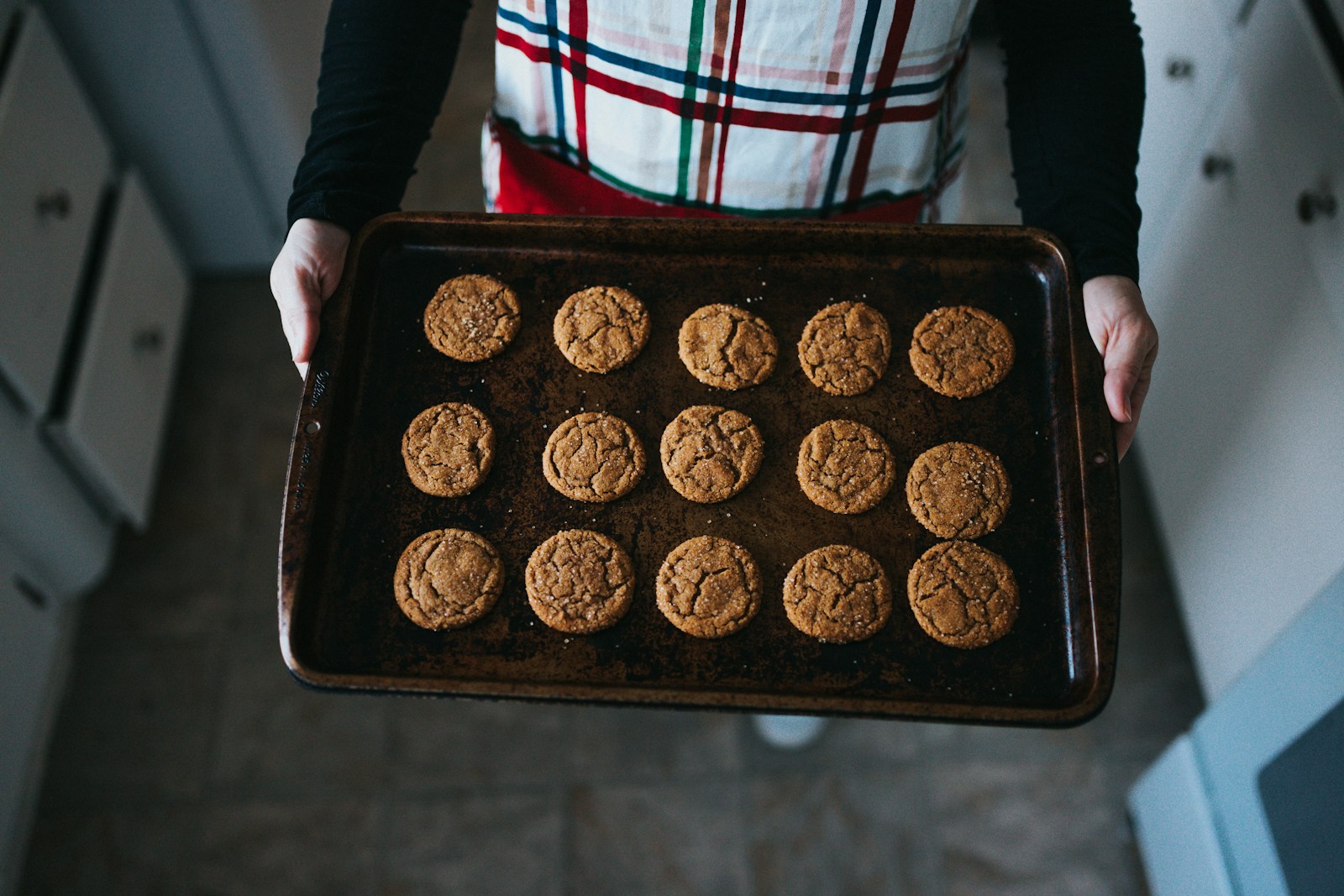
In a surprising turn of neighborhood dynamics, a friendly gesture in the form of baked goods has transformed a previously tense relationship between a homeowner and her next-door neighbors, but it has also led to unexpected complications. The tale revolves around the evolving interactions between a woman, a mother in her late thirties, and a father-son duo who have long resided in the house next door.
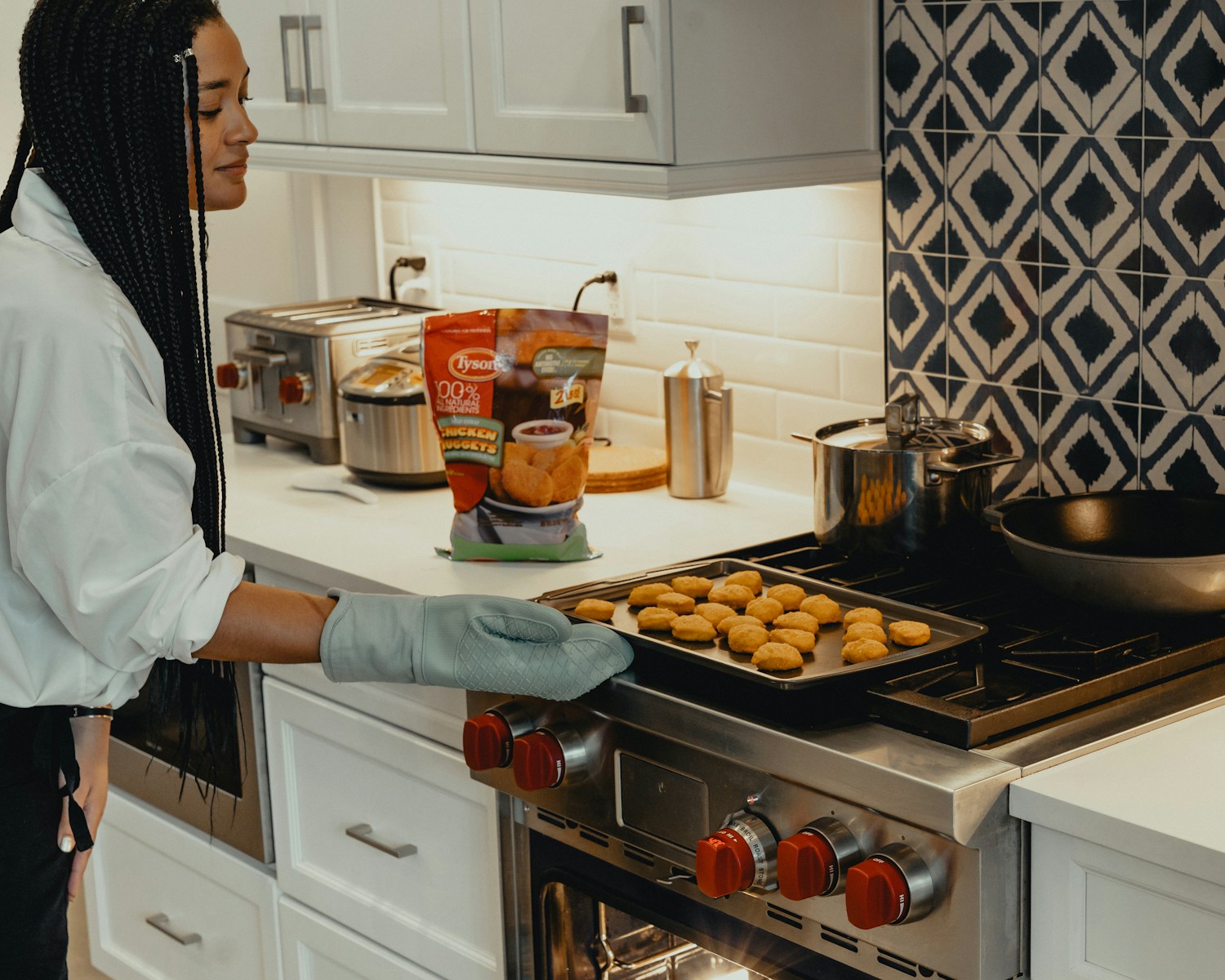
Initially, the homeowner had a somewhat cordial relationship with the son, who was approachable and friendly. His father, however, was more reserved and eventually seemed to take a dislike to her, despite her friendly overtures. Over time, the son began to mirror his father’s behavior, retreating indoors whenever the homeowner was outside. Seeking a way to bridge the gap, the homeowner decided to bake cookies for all her neighbors, including the peculiar father and son next door. Her hope was that the sweet treats would foster goodwill.
To her surprise, her baking efforts paid off. After she made the cookies, both the father and son began to greet her warmly, exchanging waves and hellos, a stark contrast to their previous demeanor. Yet, as the cookie exchanges became a thing of the past, the son’s enthusiasm for them lingered. Frustratingly, he began to mention cookies with an air of expectation. Just recently, he went so far as to yell across the yard, “Hey! Have you made any cookies?” The abruptness of his tone left the homeowner taken aback.
While she replied truthfully that she hadn’t baked cookies in a while, the son merely looked at her blankly before turning and walking back inside. It became clear to her that his request wasn’t simply casual chit-chat; it felt more like a demand that hinged on the status of the cookies. The innocent act of baking had unintentionally established a precedent, and now it felt as if the relationship hinged on sweets rather than genuine neighborly camaraderie.
As the homeowner reflected on the situation, she felt a mix of pride for her baking skills and concern about the implications of her culinary kindness. The potential for a cookie-fueled relationship left her worried that the son might revert to his ruder demeanor if her baking frequency tapered off. The cookies, once symbols of goodwill, had begun to feel like a currency in a neighborly deal, and she was unsure how or if she wanted to maintain this newfound rapport.
Reader reactions varied, with many users expressing sympathy for the homeowner’s dilemma. Some suggested she continue baking, perhaps using it as a way to slowly integrate more genuine conversation into their interactions. Others empathized, noting that the abruptness of the son’s request was a little rude, signaling that perhaps the gesture had been taken too far by the neighbors. Forums lit up with others sharing similar experiences of neighborhood dynamics that changed with a bit of sugar and flour, highlighting the delicate balance of neighborly interactions.
In the end, while the experience started with a hopeful bake-off, it morphed into a complicated web of expectations and social contracts. The homeowner now finds herself at a crossroads, weighing her kindness against the risk of reverting to the less pleasant atmosphere that initially characterized her relationship with her neighbors. It remains to be seen whether this cookie caper will lead to lasting friendships or simply a cycle of baking to appease demands.
More from Willow and Hearth:
Leave a Reply