An eventgoer found themselves in a whirlwind of social judgment after intervening in what appeared to be a medical emergency at a recent music event. The poster, concerned for a woman face down on the floor in a dimly lit corner, faced backlash for calling for help while the woman’s boyfriend insisted, “She is OK,” even as she struggled to move.
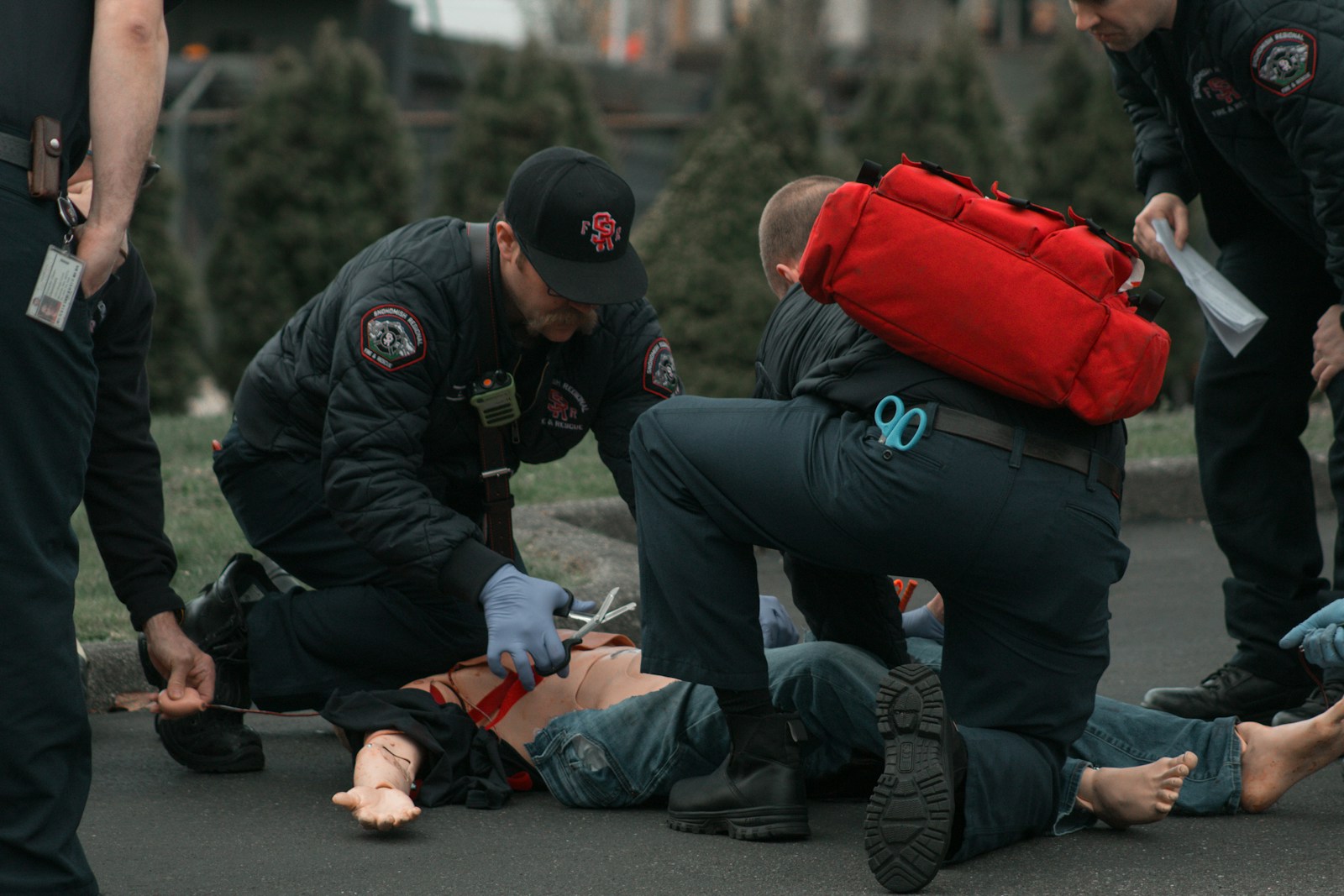
The situation unfolded when the poster noticed the woman barely moving, a clear sign that something was not right. As they approached a group of onlookers maintaining a casual distance, the poster asked the nearest person if the woman was alright. The response was dismissive; “Oh yeah. No big deal.” However, the poster felt compelled to check on the woman directly.
When they asked the woman if she was okay, she struggled to get to all fours and then shook her head, indicating she was not. Alarmed by the visible distress, the poster alerted a nearby staff member, who quickly summoned security and EMTs. Despite the woman’s boyfriend’s insistence that everything was fine, the poster remained resolute, urging that a life should take precedence over the event’s atmosphere.
Once the EMTs arrived, the poster noticed the glaring disapproval from the woman’s so-called friends. One person got in their ear, reiterating, “It’s okay. She has been my girlfriend for 7 years.” Yet, the poster couldn’t shake the feeling that this boyfriend was failing to provide the help his partner desperately needed. It wasn’t just about the woman’s condition; it was about the responsibility of the community to look out for one another, especially in environments where substances might impair judgment.
Comments from readers who encountered the story touched on the broader implications of the incident, reflecting on the tension between social norms and public health. Some applauded the poster for their quick thinking, arguing that prioritizing someone’s health over social expectations is essential in any crowd situation. Others were more critical, echoing the sentiments shared by the event staff, who cautioned that such interventions could unintentionally hurt the community feeling of unity at the event.
It seems many readers were stunned by the boyfriend’s reaction. Why would he try to dismiss what was apparently a medical emergency? Some speculated whether he was more concerned about the embarrassment of being associated with a scene at the event than the well-being of his partner. Others expressed frustration at the bystanders who chose to remain passive, suggesting that inaction could lead to worse outcomes in urgent situations.
As the night wore on, the poster reflected on their experience and the mixed signals they received from the crowd. While they understood that some might fear overreacting, the stakes were too high when life was on the line. In the end, the poster emphasized that swift action shouldn’t be frowned upon, especially when someone is in clear distress, and questioned the social dynamics that seem to deter people from helping others in need.
More from Willow and Hearth:
Leave a Reply