In the high-pressure world of restaurant kitchens, emotions can run hotter than the stoves. A recent incident involving an owner-chef throwing a frying pan during a busy service has sparked a heated debate about workplace conduct in the culinary profession. The meltdown left a sous chef so shaken that they walked out, marking a dramatic showdown in the kitchen as tensions boiled over on what was supposed to be an exciting new menu launch.
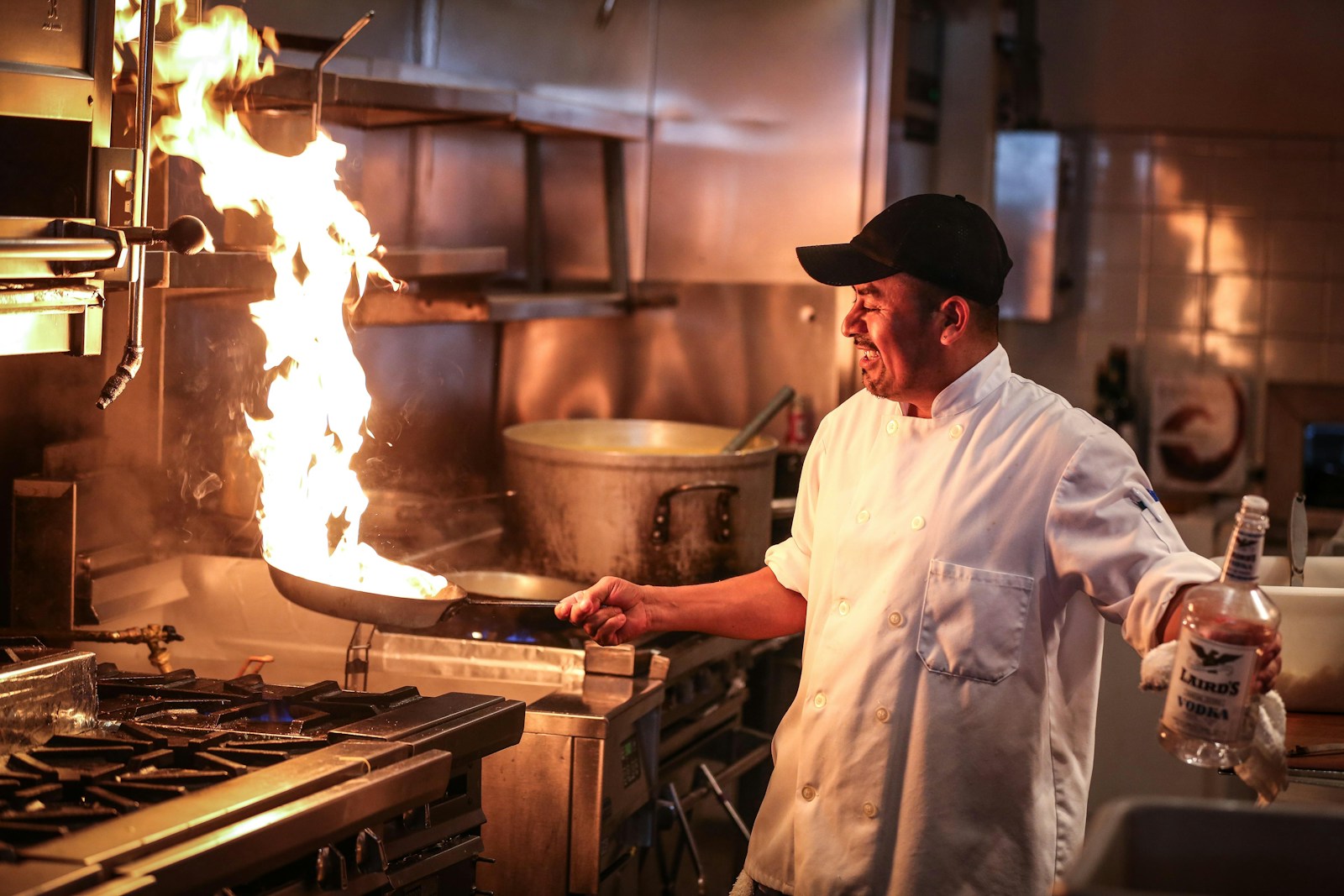
On the day of the incident, the restaurant was rolling out a new menu, putting staff under immense pressure as they scrambled to find their rhythm during a hectic service. The sous chef, who was focused on supporting their team by replenishing stations, found the atmosphere manageable despite the chaos, until the owner arrived, intending to lend a helping hand. The kitchen was flooded with orders, and as one cook struggled to keep pace while plating an intricate caviar dish, the owner grew impatient.
As orders piled up, communication broke down. Concerned about missing components, the sous chef ventured to the fridge in search of a Bechamel sauce. Frustration mounted, and in a fit of rage, the owner threw a frying pan across the room, causing hot sauce to splatter and hit the ankle of a nearby cook. The incident stunned the kitchen, leading the sous chef to confront the owner: “That pan hit her foot.”
The chef’s reaction was explosive. Instead of owning up to the severity of his actions, he launched into a tirade, berating the sous chef with accusations of ignorance. This only escalated the situation, and the sous chef, feeling the heat of the moment, shot back, “So that makes it okay to throw shit at people?” Tensions reached a boiling point, and the executive chef had to intervene, worried that the situation could turn violent.
Faced with the owner’s aggression, the sous chef stood firm, declaring, “If you throw something again, I’m walking out and quitting.” The response from the owner was dismissive; he urged, “Okay, do it.” In that moment, the sous chef began unbuttoning their jacket, signaling their exit from a toxic environment. As they walked away, the owner chased after them in a last-ditch effort to mend the fraying situation.
The sous chef’s actions sparked an outpouring of support from colleagues who reached out to check on their well-being. “I can tolerate yelling and screaming,” the sous chef remarked, “but him throwing a frying pan with hot liquid and hitting a cook is something that crosses the line.” After nearly an 11-hour shift, the sous chef felt that the respect they had earned in the kitchen was shattered in mere minutes.
In the aftermath, the sous chef reflected on their next steps. With the restaurant in disarray and their team facing a challenging shift without them, they were torn between a sense of obligation to their coworkers and the need to protect their own boundaries. The executive chef, seeing the fallout firsthand, reached out and encouraged the sous chef to come in to discuss the incident further, but the sous chef remained apprehensive about returning to a volatile situation.
Reactions from other employees echoed a blend of concern for the sous chef’s well-being and frustration regarding the owner’s behavior. Many argued that shouting and throwing objects are unacceptable in any workplace, highlighting the chaotic environment that can arise in a high-stress setting. Some noted that while conflicts can arise in kitchens, mutual respect and professionalism should never be compromised.
As the dust settled, the sous chef’s predicament remained unresolved. Though the owner would go on to apologize to the team after the incident, the sous chef was left grappling with a decision that could impact their career and relationships in the culinary world. The clash between passion for the job and the toxicity of the environment raised a poignant question: how can one balance loyalty to a team with the necessity of standing up for their own dignity?
More from Willow and Hearth:
Leave a Reply