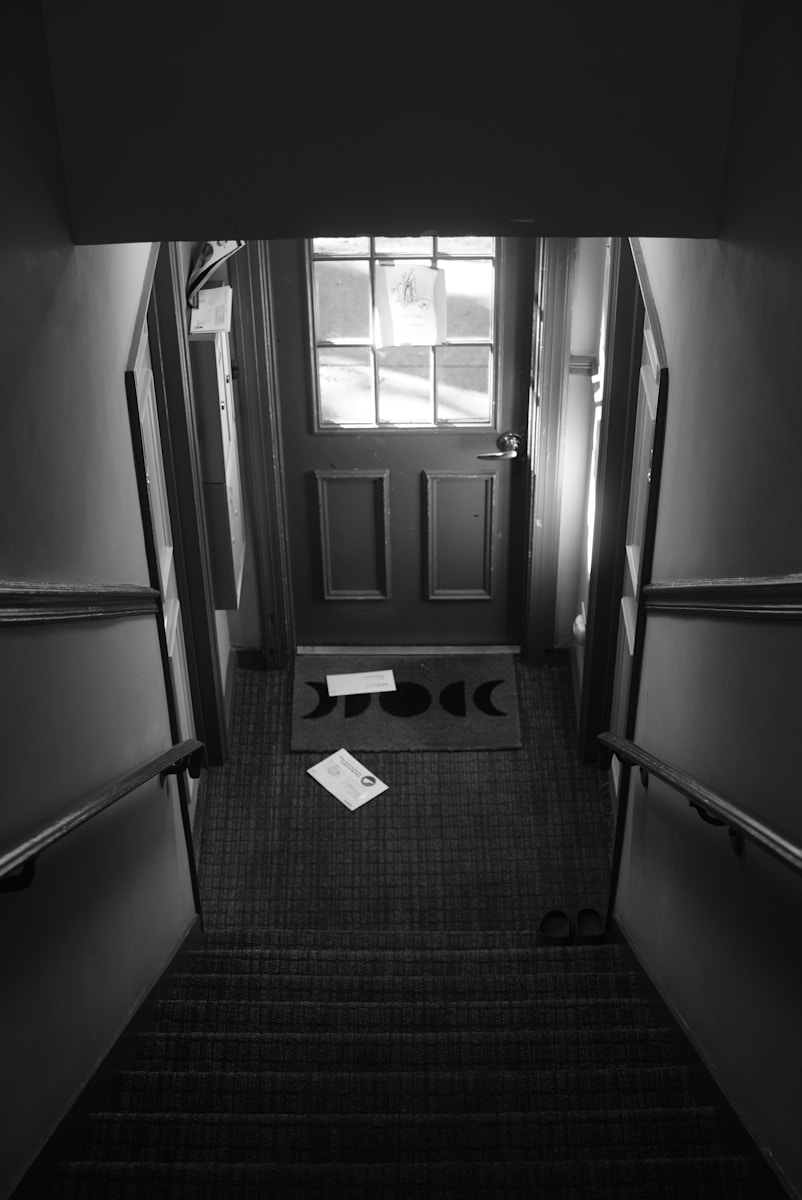
For four long months, residents of a luxury apartment building in Washington, D.C., have been subjected to a foul odor emanating from the emergency exit stairwell, raising serious concerns about cleanliness and sanitation. While the tenant who brought the situation to light believes someone is repeatedly relieving themselves in the staircase, property management remains unresponsive, suggesting an unwillingness to install security cameras and offering instead a lease break as a potential solution.
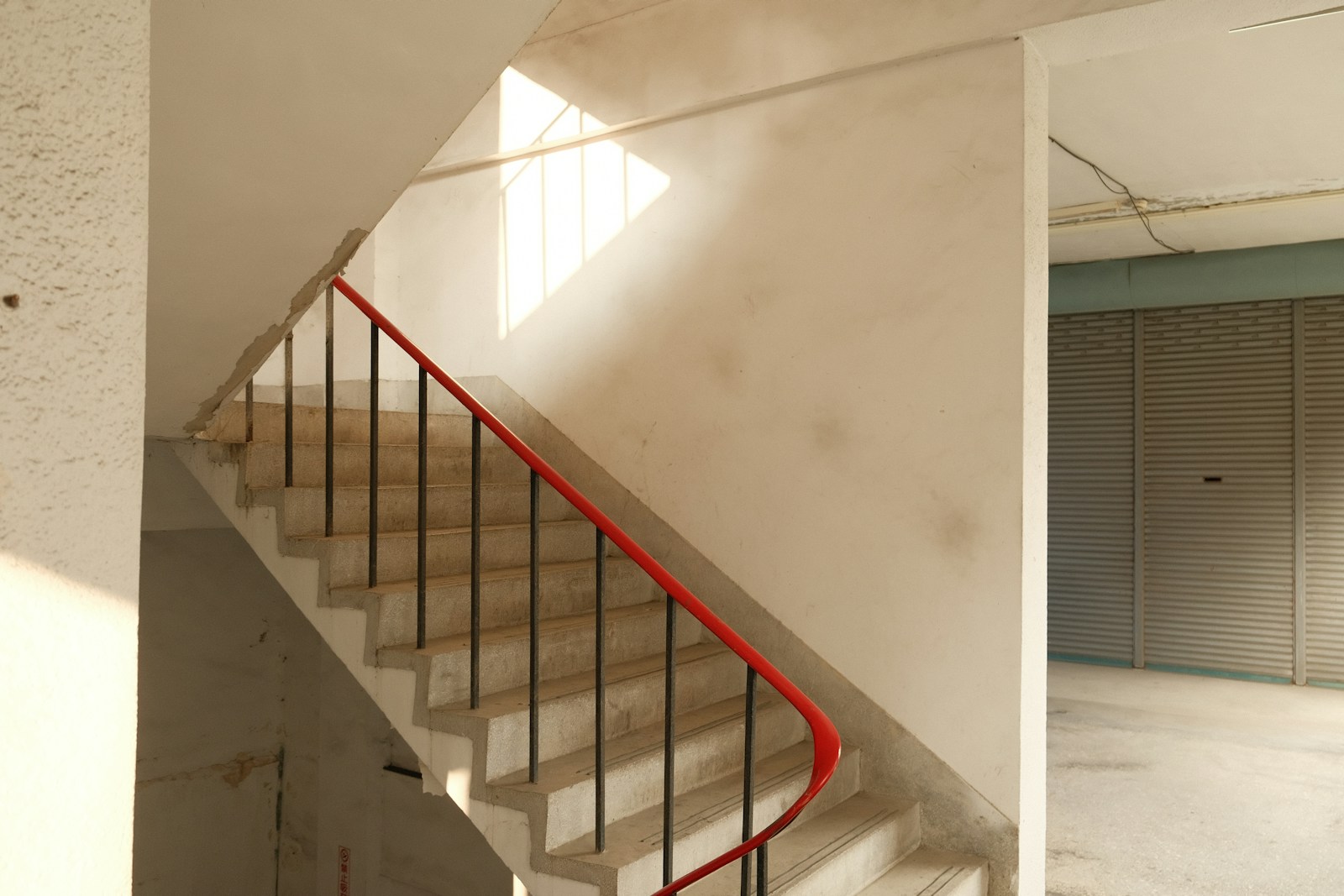
It all began in March when the tenant first noticed a persistent stench. Initially attributing the issue to someone’s dog, they soon suspected otherwise after observing the peculiar characteristics of the mess. “I think my building is gaslighting me into thinking it’s just a pet issue,” the tenant shared in their account. They noted, “I have a dog of my own so I feel I know what dog pee typically looks/smells like.” This was not a simple problem; the repeated offenses left the stairwell in a state unfit for residents, who expect a certain standard of living in a building marketed as luxurious.
The tenant took action by reaching out to property management, providing photographic evidence of the mess in hopes of prompting a quicker resolution. Management’s response, however, was lukewarm at best. They suggested placing paper signs in the stairwell urging pet owners to clean up after their animals, but this seemed to have minimal effect. “The signs have been up for not even two weeks and it’s clearly not working,” the tenant lamented, pointing out that the same foul spot continued to be a recurrent issue.
To make matters worse, the management claimed they were unable to install cameras to identify the culprit due to the building’s infrastructure layout. Instead of addressing the sanitation problem head-on, they offered the tenant a lease break “with no penalty,” an indication that they might be more eager to let disgruntled residents leave than to confront the issue of public cleanliness.
Frustrated but determined, the tenant contacted a city building inspector for assistance, but the timing proved unfortunate. The inspector arrived only to find the area had been cleaned prior to their visit, leaving them unable to take any action. “I don’t want to move; I just want them to deal with this,” the tenant expressed, highlighting the sentiment that many renters feel: a desire for their living conditions to be respected and upheld by management.
In a situation that blurs the lines between individual responsibility and building management accountability, the tenant is left searching for solutions. They have turned to neighborhood representatives, seeking support from the city to pressure the management into taking serious action. The tenant’s plea to the broader community for advice reflects a sense of betrayal; having chosen a luxury apartment, they expected a certain level of care for shared spaces.
In the comment section following the tenant’s post, readers echoed their disbelief at the management’s lack of action. Many were appalled that a luxury building would allow such a sanitary issue to persist for months. Some commenters sympathized, recalling their own frustrating experiences with unresponsive property management, while others focused on the tenant’s right to a clean living environment. The general consensus was that a building of this caliber should not tolerate such behavior, especially given the false impressions of safety and cleanliness it sells to prospective residents.
This situation raises questions about tenant rights versus landlord responsibilities and the lengths residents must go to in order to secure a livable environment. As the tenant continues to explore their options, they find themselves at a crossroads, balancing their wish to stay in their home against the unacceptable conditions that have arisen. With no clear resolution in sight, the conflict remains a stinking thorn in the side of this upscale community.
More from Willow and Hearth:
Leave a Reply