
In a startling turn of events, a group of renters in Detroit, Michigan, discovered not only cockroaches but also disturbing mold growth hidden behind a sealed basement wall shortly after moving into their new home. What has made the situation even more alarming is the landlords’ adamant claim that the mold is merely “dirt,” leaving these tenants in a frustrating battle for their rights and their money.
The tenants, who had signed a month-to-month lease, were eager for a fresh start when they arrived to their new rental. Prior to moving in, they explicitly inquired about any pest issues or mold, receiving assurances from the landlords that no such problems existed. However, their optimism quickly faded when, merely an hour into moving their belongings, they encountered three live cockroaches scuttling across the floor.
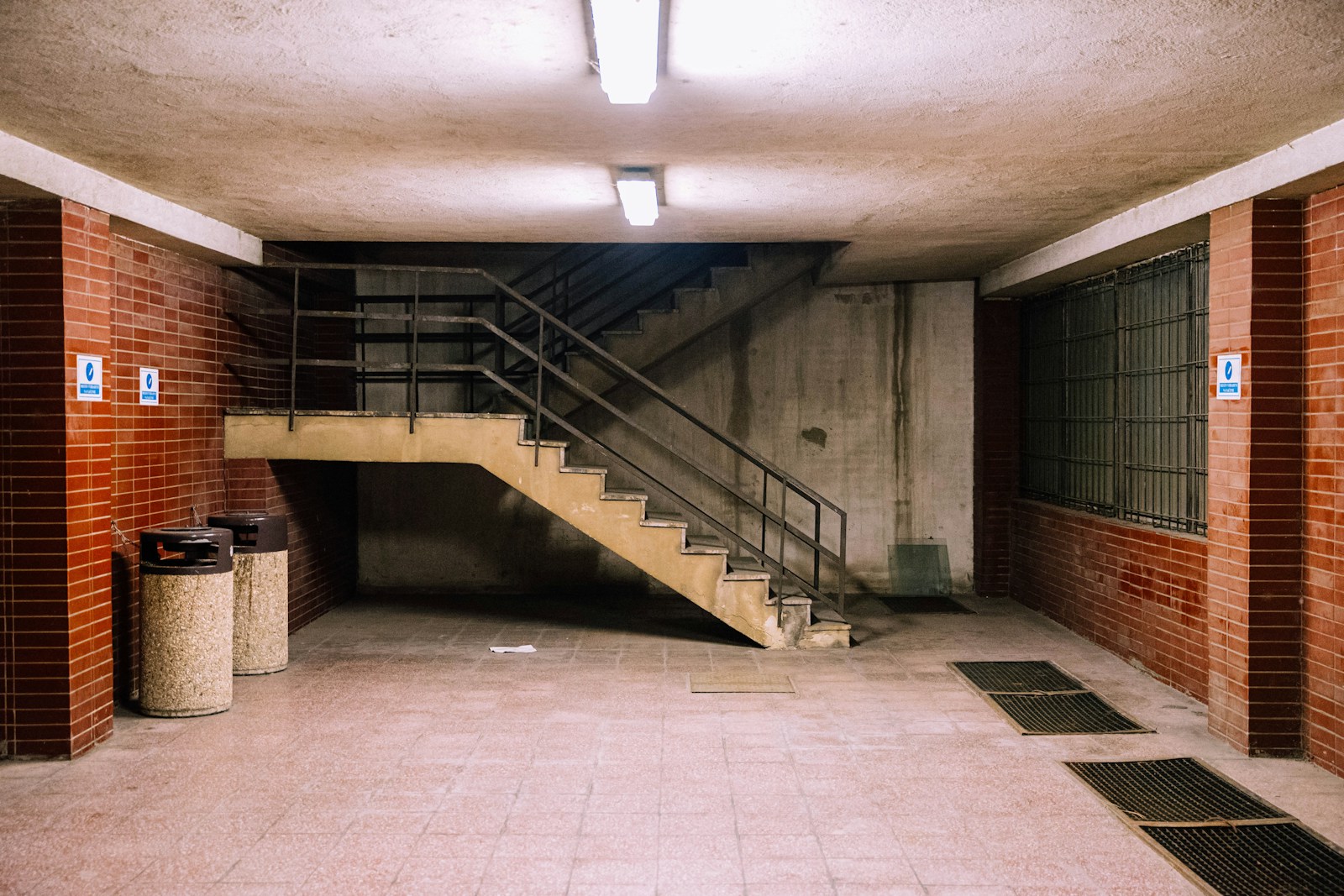
As they continued to unpack, they noticed a peculiar door in the basement that had been secured with nails. Curiosity compelled them to pry it open, revealing a previously concealed basement area, complete with a staircase that led directly up to the kitchen. Upon further investigation, they were greeted by a shocking sight—an extensive growth of mold lining the walls.
In light of their discoveries, the tenants promptly sought to terminate their lease and requested a full reimbursement, citing the landlords’ dishonesty about the property’s condition. Facing pushback, the landlords dismissed the tenants’ concerns, claiming the sealed room was simply a mechanical area and insisted that what the tenants saw on the walls was just dirt, not the mold they believed it to be.
One tenant, expressing their disbelief at the situation, wrote, “How does dirt get all over the wall like this?” Their incredulity was palpable, especially given the visible signs of neglect right in front of them. Facing the prospect of having to deal with the health implications of mold and the continued presence of pests, the tenants are now left to navigate the murky waters of landlord-tenant disputes.
As the situation unfolded, commenters in the community expressed a wide range of reactions. Some highlighted the dire need for proper inspections before renting, emphasizing that tenants should always check for such hidden issues. Others were sympathetic, asserting that these renters had every right to demand a refund given the landlords’ misrepresentation of the property’s condition.
Several commenters noted the importance of documenting the mold and pest issues thoroughly, advising the tenants to take photographs and possibly consult with a legal professional to understand their rights better. They pointed out that if the mold is indeed as severe as it appears, the tenants might already have a case for breaking the lease without penalty.
Fortunately, the renters are not alone in their fight. Many readers expressed outrage at the landlords’ dismissive attitude, suggesting that such negligence should not go unchallenged. “This is more than just dirt,” one commenter pointed out, alluding to the possible health hazards associated with mold. “You deserve better than this.”
In the heart of Detroit, a simple move for a fresh start has turned into a battle for the truth and justice for the frustrated tenants. As they prepare to confront their landlords and seek legal advice, the fate of their financial investment remains uncertain. Will they be able to reclaim their hard-earned money while safeguarding their health, or will the landlords’ claims of “just dirt” continue to haunt them?
More from Willow and Hearth:
Leave a Reply