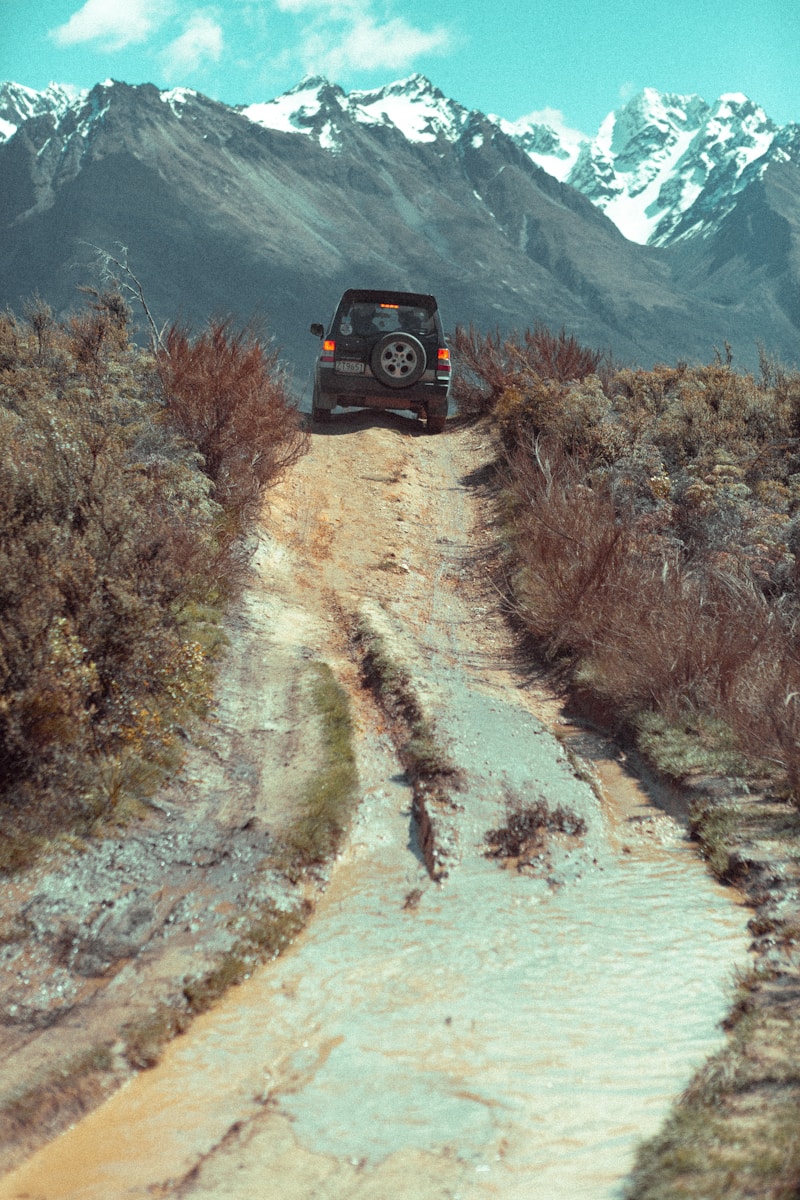
In a twist that seems plucked straight from an adventure novel, a 33-year-old woman working for the USDA Forest Service in the Rocky Mountains found herself at a crossroads—literally. While on an important mission to deliver lunches to fire crews, she was accompanied by a high-ranking regional officer whose insistence on taking unnecessary risks led to a precarious situation topped with a humorous rescue narrative. What should have been a straightforward job turned into a long, tense wait for assistance as a result of a stubborn order from above.
It was 1985, and the woman, an engineering technician who had spent nine years navigating backcountry roads, was used to the male-dominated environment of the Forest Service. That day, instead of actively fighting fires, she was assigned to the communications room. When the decision was made to deliver lunches via an older dirt track road rather than using helicopters, she was tasked with the job, having the experience with these roads. However, the task came with an unexpected hitch: a higher-up from the Regional Office decided to tag along for the ride.
The road began as a typical mountain track but rapidly morphed into a narrow pathway, with the cliffs dropping sharply on one side. “I told my passenger that I was getting a little nervous,” she recalled, as the road dwindled to barely two tracks against the sheer mountain side. Despite her unease, the regional officer urged her to forge ahead. With his superior position weighing heavily in the balance, she acquiesced and continued driving, though apprehension lingered in the air.
It wasn’t long before the situation escalated. “The road got so narrow… there was no way to keep going,” she noted. Stopping became inevitable, and turning around on the precarious trail seemed a daunting task. While the woman was confident in her skills, she knew the maneuver would require several careful adjustments and time to complete. Yet, the regional officer insisted they attempt the turnaround right then and there, dismissing her cautious instincts.
As she executed the turn, the officer’s insistence on moving the truck “just a little bit” further forward placed them in jeopardy. With the vehicle tipping ever so slightly down the mountain, attempts to shift into reverse failed due to a lack of traction from the truck’s empty bed. It was then that the woman turned and stared incredulously at her boss, watching as his bravado slipped into sheepishness. They were stuck.
Eventually, they had no choice but to call for help, leading to the highly unusual sight of a helicopter delivering lunches rather late to the waiting fire crews, while another truck was dispatched to rescue them. Upon returning to base, she candidly explained to her fire superintendent how things had gone awry, and he offered a mixture of understanding and disappointment, suggesting she should have trusted her instincts despite the pressure from above. Word within the organization conveyed that the desk jockey learned a lesson he wouldn’t soon forget—he was no longer welcome on fire assignments.
While the main conflict revolved around the employee’s fight against office hierarchy, reactions from readers leaned towards various interpretations of the incident. Some were baffled by the officer’s decision-making, questioning why someone with such high credentials would disregard practical knowledge and experience. Others expressed sympathy for the woman who, despite her skills, found herself in a position that challenged both her authority and judgment.
The story gained traction not only for its comedic elements but also for its deeper implications about workplace dynamics. Readers seemed to rally behind the technician, recognizing the challenges faced by women in male-dominated fields, especially when it came to asserting their expertise against an authoritative figure. Many echoed her sentiments, agreeing that sometimes, common sense should take precedence over rank.
At the end of the day, an episode that began as a simple supply run unfolded into a humorous tale of mishap and misjudgment—one that would leave a lasting impression within the Forest Service. With the regional officer now grounded from field duties, the employee came away with not just a story to tell, but also a reaffirmation of her instincts on the mountain roads she navigated so well.
Original discussion: https://www.reddit.com/r/MaliciousCompliance/comments/1tfwdxz/desk_jockey_vs_common_sense/
Leave a Reply