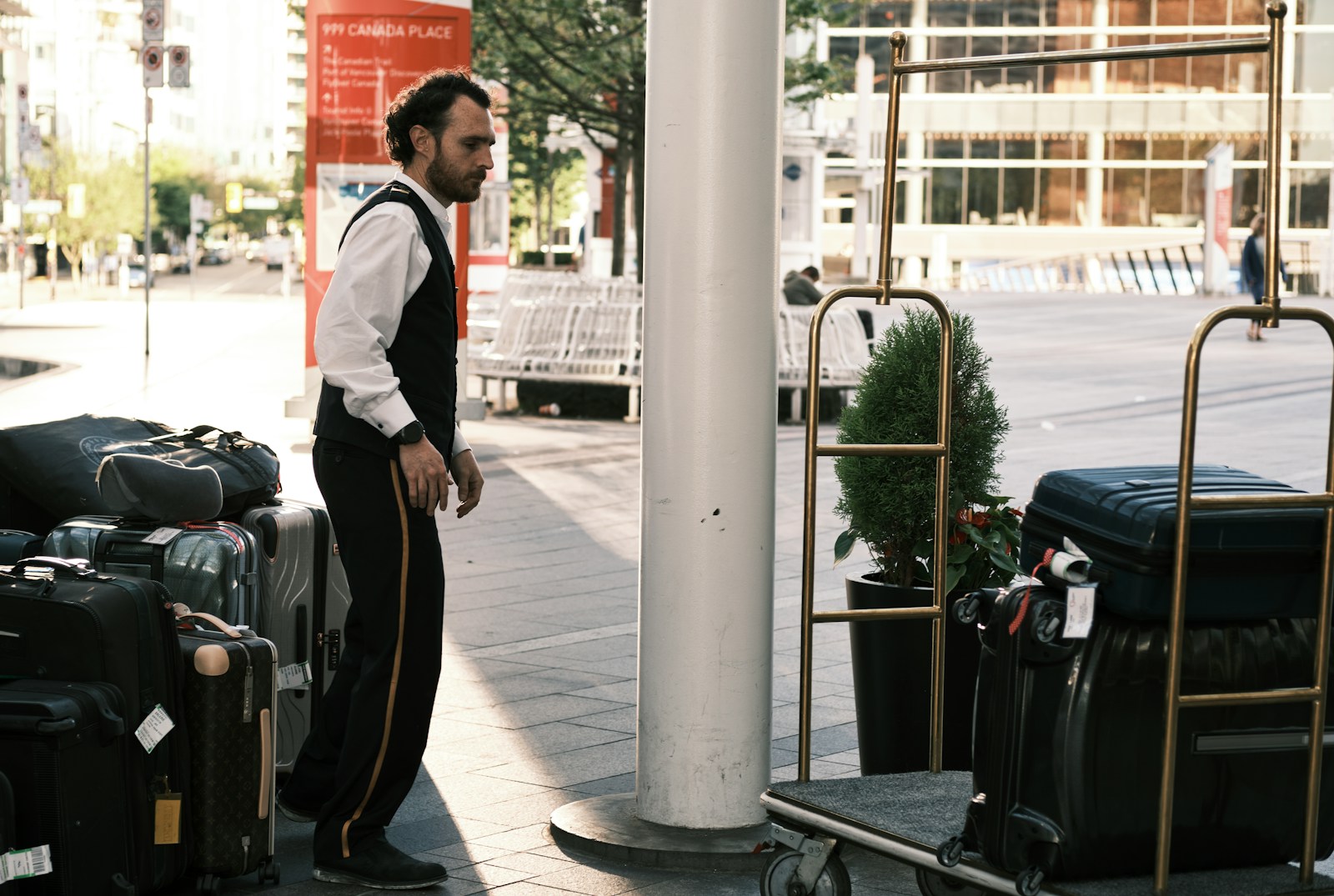
A hotel worker recently found themselves in a precarious situation after their management banned them from asking for help while moving hefty linen carts. This policy shift not only led to an injury but also forced a reevaluation of workplace safety practices. The employee, who had been directed to handle these tasks on their own, didn’t anticipate that their compliance would lead to a trip to the emergency room.
The trouble began when the hotel’s chief engineer held a meeting addressing the employee’s requests for assistance in moving heavy items. The message was clear: asking for help would be interpreted as the engineer doing the worker’s job. Soon after, the general manager reinforced this directive, explicitly stating that the employee could no longer ask for help. This left the worker carrying the burden of moving linen carts that weighed upwards of 600 pounds—an arduous task not meant for one person.
During a grueling shift, the employee was faced with moving a 600-pound cart and another even heavier one weighing 760 pounds. Despite the daunting task, they complied with the new policy and attempted to move the carts solo. Tragically, the effort resulted in a pulled back, leaving the employee in excruciating pain. Following the incident, they were rushed to the emergency room, and subsequently, they found themselves bedridden and unable to work for two weeks.
Things took an interesting turn when the hotel’s HR representative inquired about the injury. When the employee explained the situation, mentioning that they were moving over 600 pounds alone, the HR representative asked why they hadn’t asked for help. The worker pointed to the series of texts and group messages exchanged between them and the general manager outlining the new no-help policy. This revelation spurred immediate action.
In the wake of the incident, an email was dispatched to all hotel employees announcing a new safety protocol: no employee should push, lift, or move over 100 pounds without assistance. The unintended consequence of this enforced policy was that the employee could once again ask for help, but only after suffering a significant injury.
As news of the incident spread, many readers responded with a mix of shock and sympathy. Some were incredulous that a workplace would impose such a restrictive policy without considering the safety of its workers. Others focused on the financial implications, noting the irony that the employee would now be compensated through workers’ compensation for the injury incurred while complying with management’s directives. This sparked conversations about workplace safety, employee rights, and the need for proper training in handling heavy equipment.
Readers expressed outrage over the original decision to restrict help. Many found it disturbing that a culture of non-assistance could endanger employees’ well-being. Some commenters pointed out that the hotel management apparently valued adherence to policy over the safety of its staff. A few raised questions about what other safety measures might be lacking at the hotel, hinting at a broader issue of workplace culture that prioritizes policy over people.
Ultimately, the incident serves as a stark reminder of the sometimes bizarre and dangerous dynamics that can unfold in the workplace. It’s a situation that highlights how quickly things can change, turning a routine task into a health risk while prompting an urgent reassessment of policies that, instead of protecting employees, seem to put them in harm’s way. The hotel worker’s experience raises eyebrows and concerns about how management approaches employee safety moving forward.
Original discussion: https://www.reddit.com/r/MaliciousCompliance/comments/1tcd8e3/no_asking_for_help_anymore_to_move_600_pound/
Leave a Reply