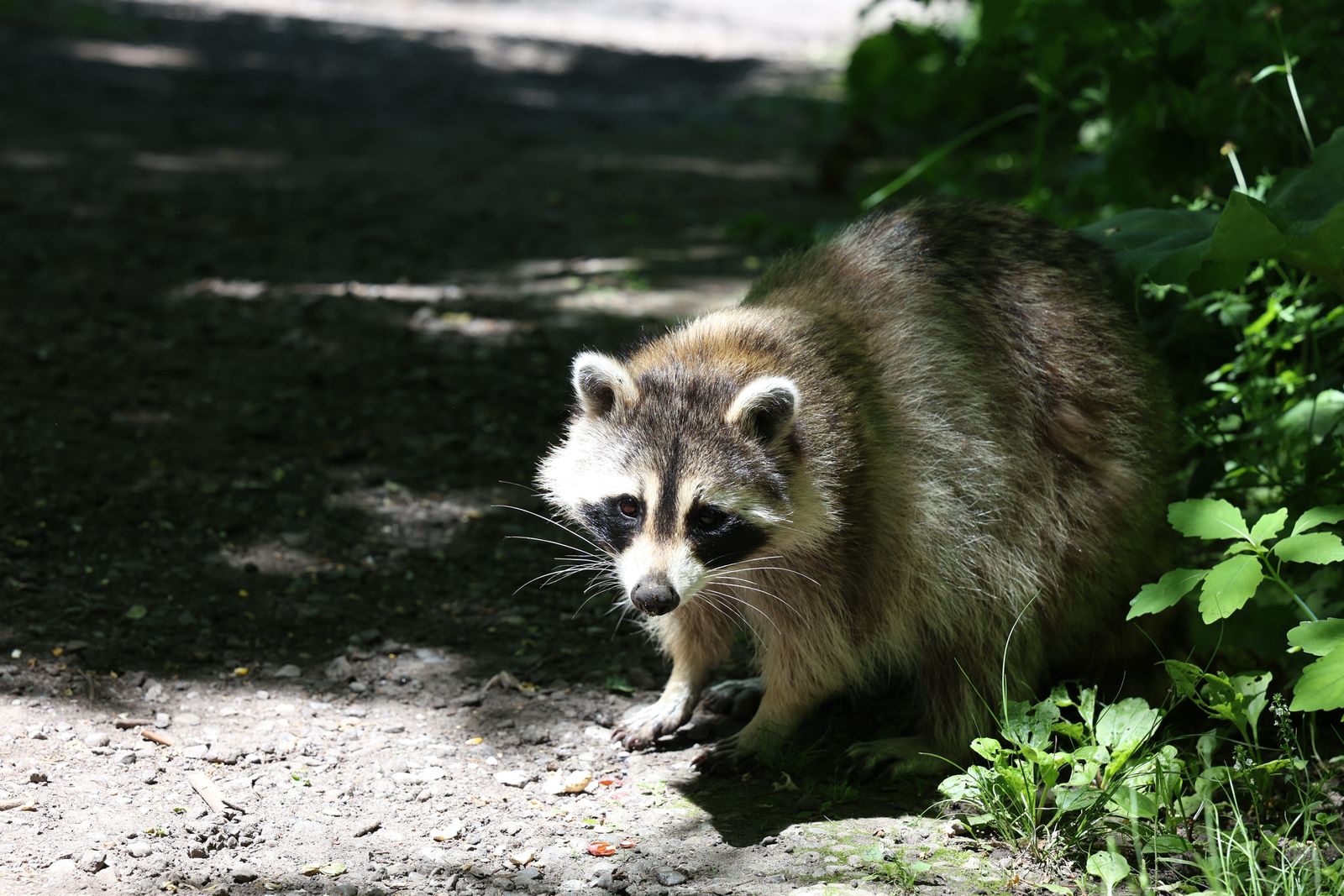
In an unusual twist of roommate drama, one tenant found herself in a heated argument with her roommate after the latter brought home a baby raccoon “to save it.” What began as a well-meaning gesture quickly spiraled into an unexpected clash over animal welfare and living conditions. The poster’s urgent request for the unpredictable guest to be removed resulted in a fiery confrontation, leaving both parties at an impasse.
It all started when the roommate entered their shared living space, cradling a baby raccoon in her arms. The tenant was taken aback, immediately recognizing the potential dangers of bringing a wild animal indoors. While the roommate argued that she intended to care for it and send it to a rehabilitation center the next day, the tenant’s concerns over safety and hygiene took precedence. “I told her I wanted it out immediately because I do not want a wild animal where I live and that it could be dangerous,” she recounted, emphasizing her distress. Despite her pleas, her roommate saw the situation differently, leading to a clash of perspectives.
The tension escalated when the roommate called the tenant an “animal killer” after her insistence to remove the raccoon. The emotional exchange highlighted the deep divide in their viewpoints. The roommate’s passion for saving the raccoon clashed with the tenant’s anxiety over their living environment, leading to harsh words exchanged. Feeling attacked, the tenant struggled to comprehend how her desire for a safe home branded her as the villain of the story. “I don’t want a wild animal in my apartment,” she stated emphatically, caught off guard by the accusations leveled against her.
This bizarre confrontation raises questions about the boundaries of shared living spaces and the responsibilities that come with them. Animal lovers and supporters of wildlife rehabilitation may empathize with the roommate’s intent, but many would also recognize the valid concerns of the tenant. Bringing a raccoon, known for its sometimes unpredictable behavior, into a home environment poses risks that extend beyond mere inconvenience. With such conflicting feelings at play, the potential for resolution seemed slim.
As the conflict unfolded, reactions from readers reflected the polarization of opinions on the subject. Some were quick to defend the tenant, expressing sympathy for her understandable desire to maintain a safe and clean living environment. “You have every right to feel unsafe with a wild animal in your home,” one commenter emphasized. Others, however, sided with the roommate, suggesting that her good intentions should not be dismissed. “She was trying to save an animal, and we need more people like that,” argued another reader.
Despite the lack of resolution or a consensus among readers, the comments highlighted a shared confusion over how to navigate such a situation. Many felt that the roommate’s actions, while well-meaning, could have been better evaluated, especially considering the tenant’s concerns. The emotional weight of being labeled an “animal killer” in the heat of the moment seemed to linger in the tenant’s mind, raising questions about effective communication in shared living situations.
As the story unraveled, it became clear that this was not simply a disagreement about a raccoon but a larger conflict about boundaries, responsibility, and differing values within their living arrangement. The incident served as a peculiar reminder of how unexpected situations can challenge relationships, especially when personal beliefs and safety collide. Unresolved and fraught with tension, the fate of the baby raccoon hung in the balance, leaving both roommates to grapple with their fundamental differences.
More from Willow and Hearth:
Leave a Reply