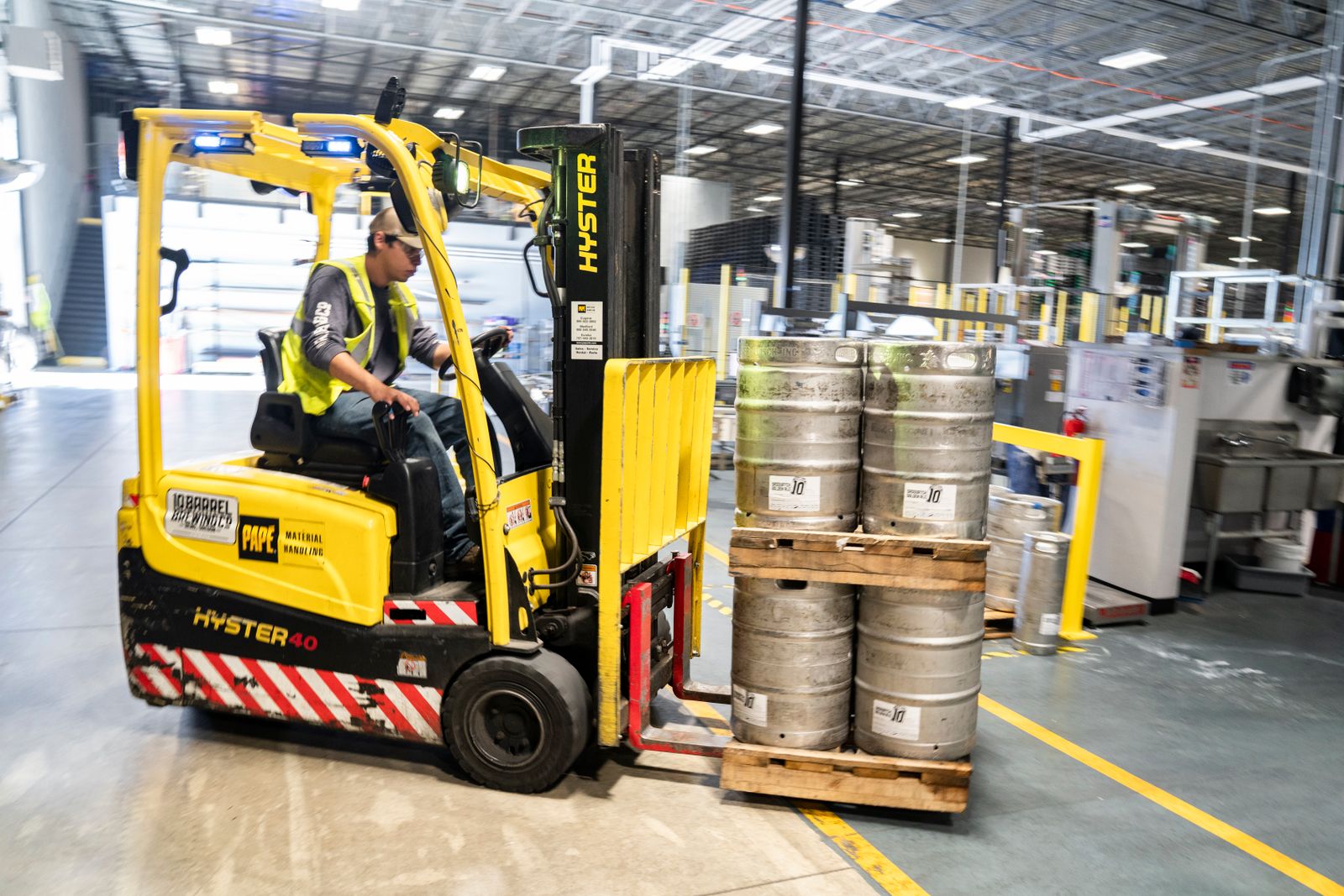
Safety first took on a whole new meaning for one employee recently when a new safety policy required extensive pre-checks on forklifts. What started as a measure to enhance workplace safety quickly spiraled into chaos as the diligent employee meticulously went through a lengthy checklist, exposing a shocking number of faults across the fleet. The situation escalated to the point where management had to hit pause on the new safety initiative after realizing the operational impact.
Returning from a month-long leave, the employee quickly grasped the importance of the task at hand. After receiving the checklist from the supervisor, he knew the stakes were high. “If I’m going to sign a piece of paper that says I’ve checked something and determined it to be in good order — you’d better believe I’m going to actually check it!” he explained. His attention to detail proved to be both a blessing and a curse, as he launched into a thorough inspection of the forklifts.
In a striking turn of events, the first forklift failed inspection after just 25 minutes. A missing hose clamp was only the beginning. Over the next 90 minutes, he faulted four different forklifts, each one revealing another underlying issue that could potentially lead to safety hazards. While the shift manager scrambled to keep operations running smoothly, the employee adhered strictly to the checklist, fully aware of the risks involved. “When I’ve finished checking this forklift over,” became a common refrain among other staff members, some of whom also started finding faults, further delaying their work.
By Monday, news of the employee’s thorough inspections had spread like wildfire among the crew. Everyone seemed to take the pre-checks seriously, leading to more forklifts being taken out of service. In various areas of the workplace, operations ground to a halt as employees waited for equipment deemed safe. Managers emerged from their offices, visibly rattled as they attempted to manage the unexpected situation that had unfolded.
As the week progressed, the scene turned into even more of a spectacle. Tuesday saw discussions among shop stewards and frantic meetings on how to remedy the unfolding chaos. Each morning began with the sound of new forklift failures echoing through the facility. It was a far cry from the carefree operations that had previously defined the workplace.
On Wednesday, employees learned that the new pre-check regime had been “paused” while management dealt with what they termed “teething issues.” Ironically, there was no announcement that clarified when or if the checks would resume. The diligent employee’s commitment to safety had inadvertently turned into a resistance against productivity.
Responses from readers ranged widely, with many noting that the employee’s dedication to safety was commendable, while others expressed concern over the management’s inability to foresee the chaos that could arise from such a policy. Some highlighted similar experiences in their own workplaces, where safety measures were either implemented haphazardly or quickly abandoned due to operational backlash.
Ultimately, the situation raises questions about how organizations balance workplace safety initiatives with the need for efficiency. While the original intent of the pre-checks was to create a safer working environment, the abrupt enforcement without adequate planning revealed significant flaws in the approach. By the week’s end, what was meant to be a routine safety measure had turned into a cautionary tale of mismanagement.
More from Willow and Hearth:
Leave a Reply