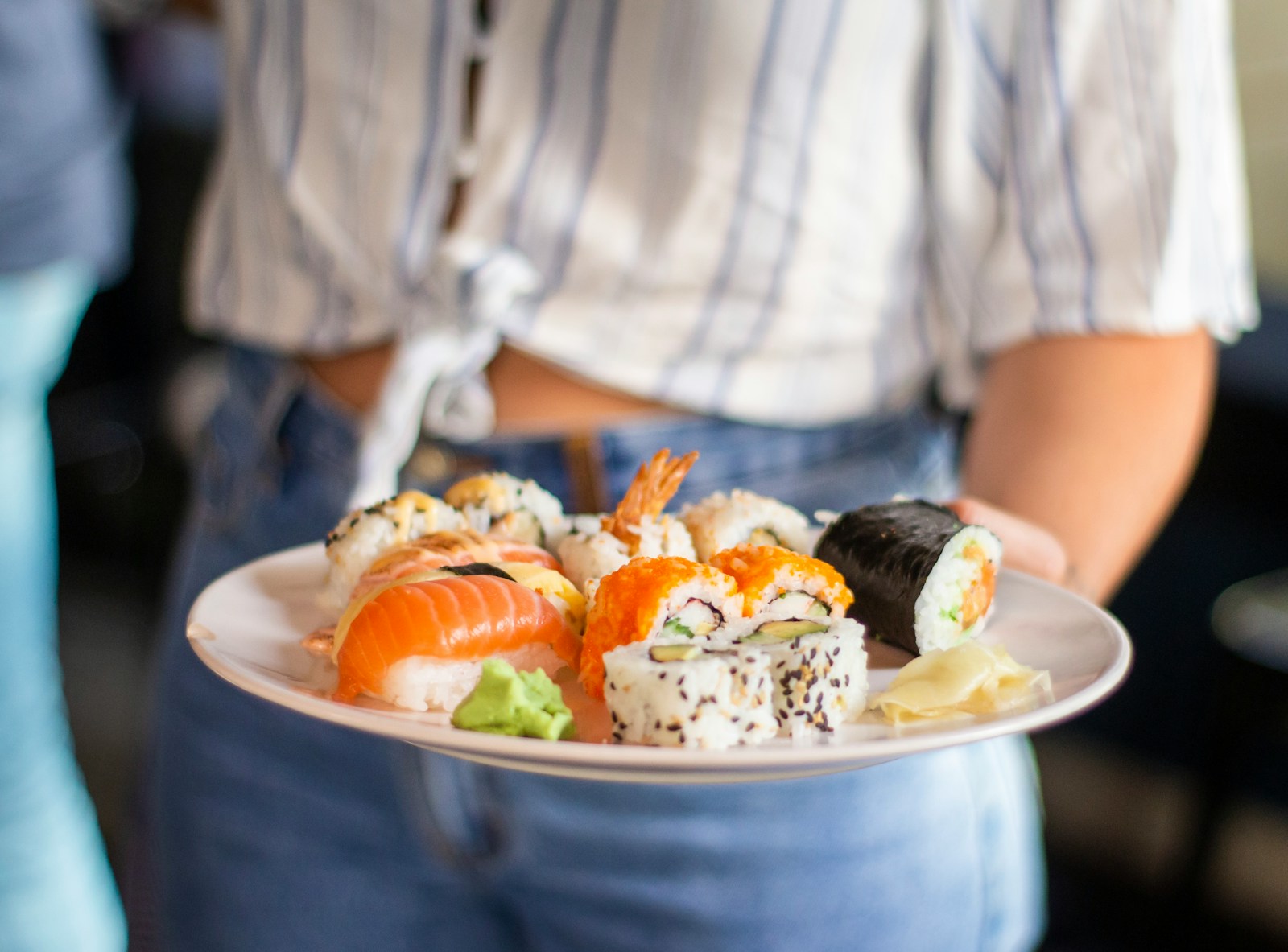
In a bustling all-you-can-eat sushi restaurant, tension simmered as an employee faced a frustrating dilemma with their coworkers. The root of the conflict? A cutting board and a few bottles of sauces that seemed to be the center of chaos during busy shifts. The poster, who works at the sashimi station, found their tools regularly mismanaged by colleagues who not only failed to refill their supplies but also took offense when asked to respect personal workstations.
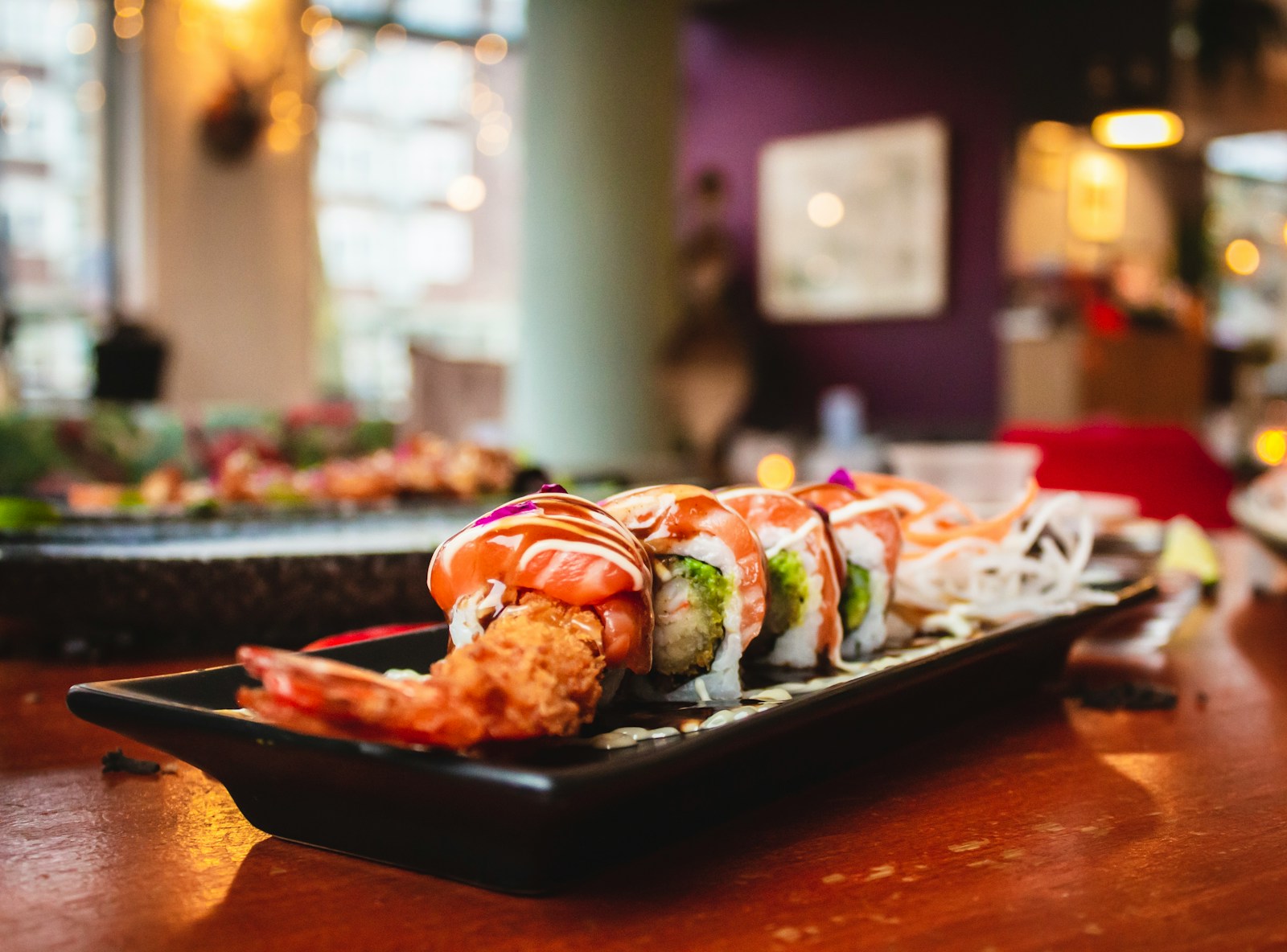
The scenario plays out in a familiar setting for many in the restaurant industry. Every day at the sushi place is a whirlwind of activity, with employees scurrying to meet the demands of hungry patrons. The norm is that the employee responsible for refilling sauces makes their rounds, ensuring that all stations are stocked. Yet, this poster quickly discovered an ongoing issue: while their coworkers had their sauces replenished, their own were left by the sink, neglected and forgotten. “I end up walking two stations away to use MY sauces,” they reported, clearly exasperated.
This was not just about convenience; it was about maintaining quality. As the poster emphasized, they work at the sashimi station, where cleanliness is paramount. “I need my board pristine. I can’t have crumbs n junk all over it,” they explained. Despite their attempts to communicate the importance of maintaining their own cutting board, their requests fell on deaf ears. Instead, their coworkers began to clean up their stations early, removing essential tools an hour before the shift ended, leaving the poster scrambling to manage without a cutting board while also facing a constant shortage of sauces.
The tension escalated when the poster started to push back against the practice. When confronted about the early cleaning, they remarked, “Get your own board.” Unsurprisingly, this declaration did not go over well with their coworkers, who labeled the poster as “mean.” The clash of priorities—a desire for individual cleanliness and a commitment to team cooperation—brought the situation to a head, leaving the poster feeling isolated in their frustrations.
As the story circulated, many who read it zeroed in on the apparent disregard for teamwork and communication among colleagues. Some commenters echoed the poster’s sentiment, arguing that it was entirely reasonable to request that coworkers refill the sauces and leave cutting boards until the end of the shift. They noted that every employee in a kitchen must adapt to the rhythm of shared space, and failing to respect that rhythm only leads to unnecessary conflict.
On the other hand, some readers seemed to sympathize with the poster’s coworkers, suggesting that they might not fully grasp the importance of the sashimi station’s cleanliness requirements. Perhaps they simply didn’t understand how to effectively work within a bustling kitchen environment. But whether through misunderstandings or a lack of respect, the core problem remained: clear boundaries and mutual respect were lacking.
Amid the conflict, the poster’s frustration seemed to stem less from the actions of their coworkers and more from how those actions were perceived. By the end of the exchange, they were less upset about the original issue of the sauces than the way their colleagues reacted when confronted. It wasn’t simply about the cutting board or the sauces; it had evolved into a matter of workplace dynamics, respect, and communication—or the lack thereof.
As this sushi worker bravely navigates the complexities of maintaining their work space while juggling the challenges posed by their team, the question lingers: how can they establish boundaries without becoming the villain in their own story? The struggle of balancing personal needs with the demands of teamwork continues to unfold in kitchens nationwide, reminding all involved of the delicate dance that is life in the culinary world.
More from Willow and Hearth:
Leave a Reply