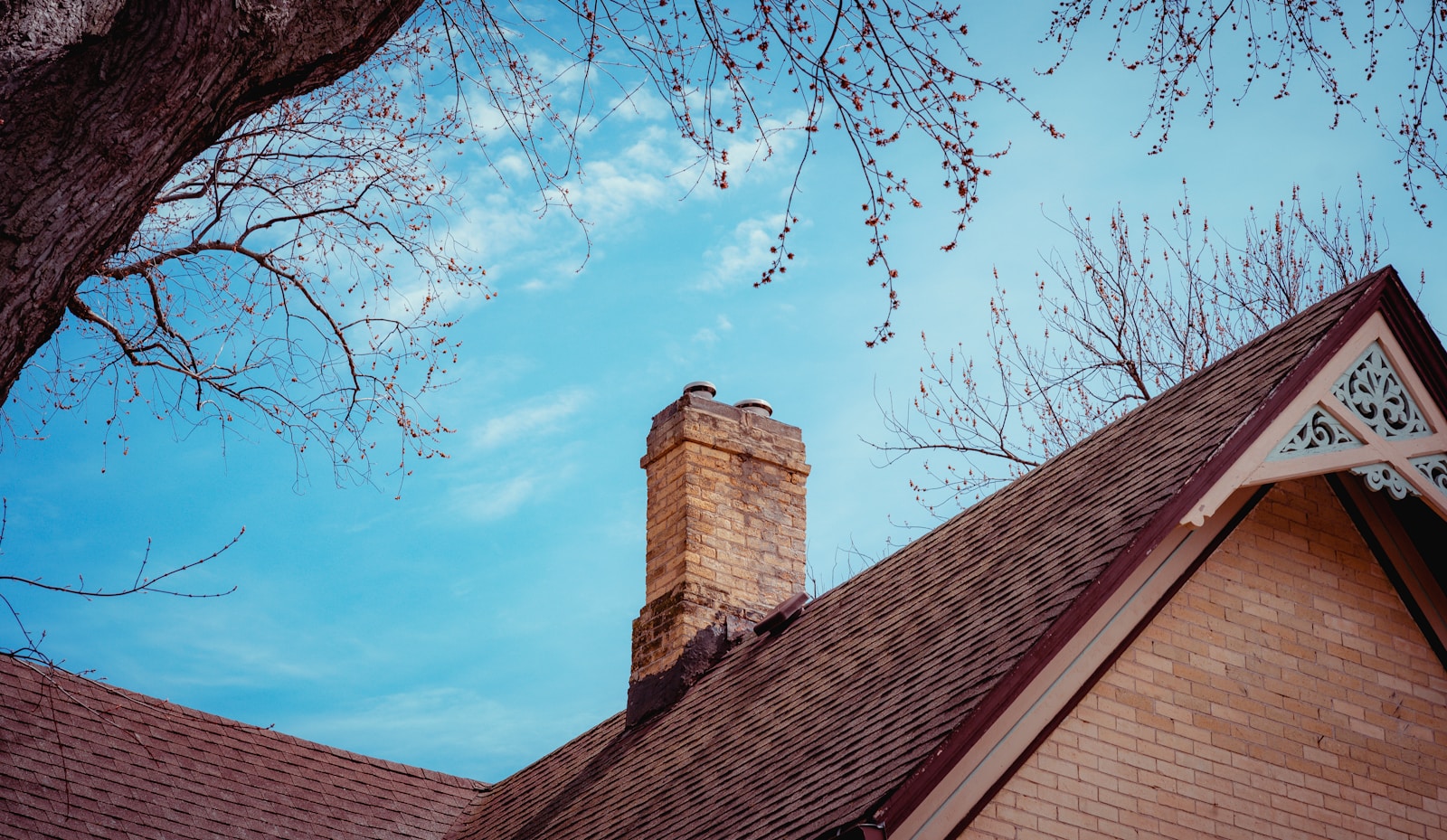

An estimated 38,881 home heating fires occur across the U.S. every year on average, based on 2019-2023 data, causing 432 deaths, 1,352 injuries, and $1.1 billion in property damage annually, according to National Fire Protection Association figures summarized by ANSI’s coverage of the NFPA’s home heating fires report. NFPA has also identified a dirty chimney, creosote buildup left uncleaned, as the single leading factor behind those fires, responsible for roughly 30% of them. Run that percentage against the total and you land at well over 11,000 fires a year traceable to something a basic inspection is specifically built to catch, for less than the cost of a nice dinner out.
What a Level 1 Inspection Actually Costs
A standard Level 1 chimney inspection, the kind recommended annually for anyone who regularly uses a fireplace or wood stove, runs $100 to $250 nationally, commonly landing around $150, according to HomeGuide’s cost data. That price buys a visual check of the readily accessible parts of the flue, firebox, and chimney connections. Costs climb from there: a Level 2 inspection, which adds a camera scope of the interior and hard-to-reach areas and is standard practice whenever a home with a chimney changes hands, runs $200 to $1,000, per HomeAdvisor. Level 3, which involves removing drywall, brick, or siding to investigate suspected structural damage, can run into the thousands and is reserved for cases where a Level 2 turns up something serious underneath.
Warning Signs You Can Check Before You Call Anyone
Before booking a professional, a few checks take five minutes and tell you a lot about what you’re dealing with. Look up the flue with a flashlight for a black, flaky, tar-like coating; that’s creosote, and anything thicker than an eighth of an inch is generally considered a fire risk. Check the exterior masonry for white, chalky staining, known as efflorescence, which signals water intrusion that weakens the structure over time. Smoke that backs into the room instead of drawing up the flue, a damper that won’t open or close smoothly, or any charring near the top of the firebox are all signs the chimney needs attention now rather than at the start of next season. None of these DIY checks replace a professional inspection, but they tell you whether you’re looking at routine maintenance or something more urgent.

Cost Varies More by Chimney Type Than People Expect
A masonry chimney and a factory-built, metal-lined one aren’t inspected the same way or priced the same. Masonry chimneys need closer scrutiny of mortar joints and the interior clay flue liner, since cracks there can let heat reach combustible framing hidden in the wall cavity, a slower and more labor-intensive check that tends to land at the higher end of the Level 1 range. Factory-built chimneys are faster to inspect but have their own failure point: the metal chimney cap and spark arrestor, which corrode and need replacement more often than most homeowners realize. Wood-stove flues generally need inspecting more frequently than open-fireplace flues too, since stoves burn hotter and produce creosote faster, which is why installers commonly bundle wood-stove inspections with a cleaning at every visit rather than treating them as separate services.
Why Fall Is the Deadline That Matters
This keeps showing up as a seasonal story for a simple reason: a chimney that sat unused and exposed to weather for eight months accumulates debris, animal nests, and moisture damage that a quick glance from the hearth won’t reveal. Scheduling the inspection before the first fire of the season, rather than after you’ve already noticed a smoky smell, is what separates a $150 preventive visit from a much larger repair bill or an insurance claim. The Chimney Safety Institute of America, whose three-level inspection framework is the national standard referenced by HomeGuide and HomeAdvisor alike, recommends annual inspections regardless of how often you actually burn wood, because deterioration doesn’t pause just because the fireplace did.
What a Skipped Inspection Actually Costs Later
The financial argument for the $150 visit gets stronger once you price out what comes after a chimney fire rather than before one. Even a contained chimney fire, the kind that burns out the flue liner without spreading to the structure, typically requires a full liner replacement and a masonry inspection before the fireplace can be used again, work that commonly runs into several thousand dollars once labor and materials are factored in. A fire that extends into the surrounding framing turns into a homeowners insurance claim, and insurers routinely ask for maintenance records during that process; a homeowner who can’t show an inspection history on a known fire-risk system can see a claim delayed or a payout reduced. None of that is guaranteed, but it’s the range of outcomes an inspection is priced against, not just the tidy alternative of doing nothing and hoping the chimney was fine.
The math here isn’t complicated: a five-figure fire risk sits behind a three-figure inspection, and the households that skip it year after year aren’t saving money. They’re just deferring the bill to whichever season the creosote finally catches.
Leave a Reply