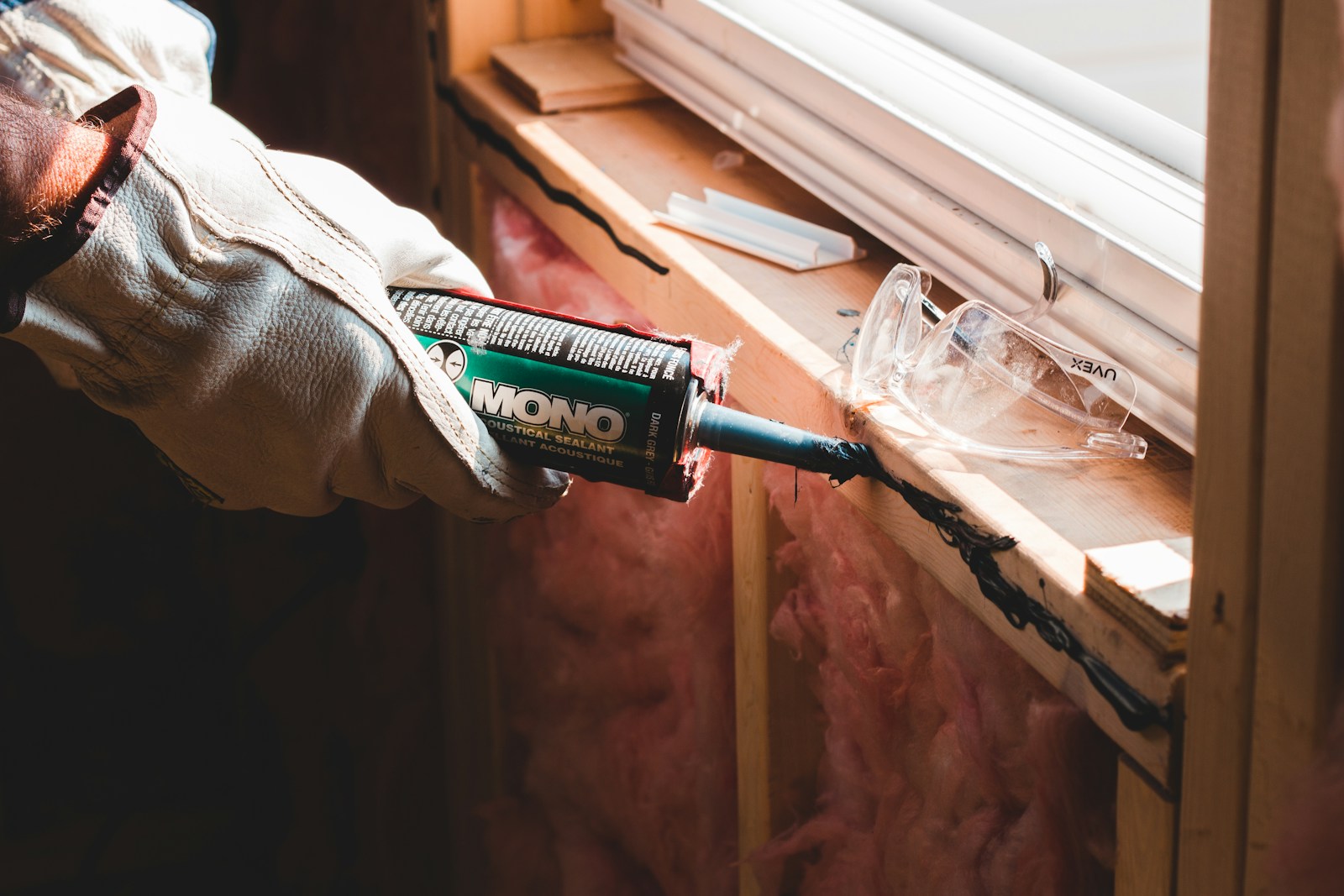
More than 80% of homeowners intend to take on DIY maintenance in 2026, but only 34% say they can complete basic DIY projects with any real confidence, according to Hippo Insurance’s fourth annual Housepower Report. That’s a 46-point gap between what homeowners are planning to attempt and what they actually feel equipped to do, and it’s not a small or stable trend. Hippo’s researchers describe the shift as driven “more by financial pressure than preference,” meaning people aren’t picking up a drill because they suddenly love home repair; they’re doing it because hiring a professional for every job has gotten expensive enough to price them out. Fifty-seven percent of homeowners in the report cite cost savings as their top motivation for going the DIY route this year, well ahead of personal accomplishment or wanting more control over the project.
Why the Gap Exists in the First Place
A confidence gap this wide doesn’t appear because homeowners suddenly got worse at fixing things. It appears when economic conditions push people toward projects they wouldn’t otherwise attempt. Hippo’s report frames 2026 as a year where staying put and maintaining an existing home has become the more common move than moving or fully renovating, which naturally shifts more routine maintenance onto homeowners themselves rather than contractors. When 57% of your motivation is “this costs less than calling someone,” you’re recruiting a much broader, less experienced pool of DIYers than in years when people chose home projects purely out of interest. The remaining motivations in the report skew toward the same idea from different angles: 36% cite the personal satisfaction of finishing a project themselves, and 30% want more control over how the work gets done, both of which are easier to feel good about after the fact than they are to justify beforehand if you’ve never actually done the job.

What Homeowners Are Actually Attempting
The Housepower Report finds this isn’t limited to easy, low-stakes tasks. Homeowners are taking on maintenance across the board even as their self-reported confidence lags well behind their ambition, and younger homeowners are leading the shift: 45% of Gen Z respondents said completing maintenance tasks gave them a sense of pride, a notably higher share than older generations report. That generational enthusiasm is part of what’s pushing overall DIY participation up even as the skills gap widens, since newer homeowners are more likely to have learned techniques from video tutorials rather than hands-on experience working alongside a parent or tradesperson.
Where Preparedness Does Show Up
The report does offer one clear signal about what closes part of the gap: insurance riders. Homeowners who purchased additional coverage riders reported feeling prepared for extreme weather at a rate of 66%, compared to just 32% among homeowners without that coverage, according to Hippo’s data. That’s not the same as DIY skill, but it points to the same underlying dynamic, homeowners who take a deliberate, informed approach to risk (whether that’s buying the right insurance coverage or researching a repair thoroughly before starting it) end up meaningfully more prepared than those who don’t, regardless of how much manual experience they actually have.
The Real Takeaway for Anyone Picking Up a Tool This Year
None of this means DIY maintenance is a bad idea, plenty of routine home tasks are perfectly reasonable for an inexperienced homeowner to attempt. It does mean the confidence gap itself is useful information: if only about a third of homeowners doing DIY work this year actually feel confident doing it, the safest move for any given project is an honest, upfront gut check rather than assuming you’ll figure it out as you go. Watching a video is not the same as having done a job before, and the projects worth tackling anyway are the ones where a mistake costs you a return trip to the hardware store, not a bigger repair bill down the line.
The pattern in Hippo’s data is a familiar one dressed up in new numbers: financial pressure is pulling more people into DIY work faster than their skills or confidence are catching up, and that gap is exactly where home maintenance projects tend to go sideways, not because the tools changed, but because the reasons people are picking them up did.
Leave a Reply