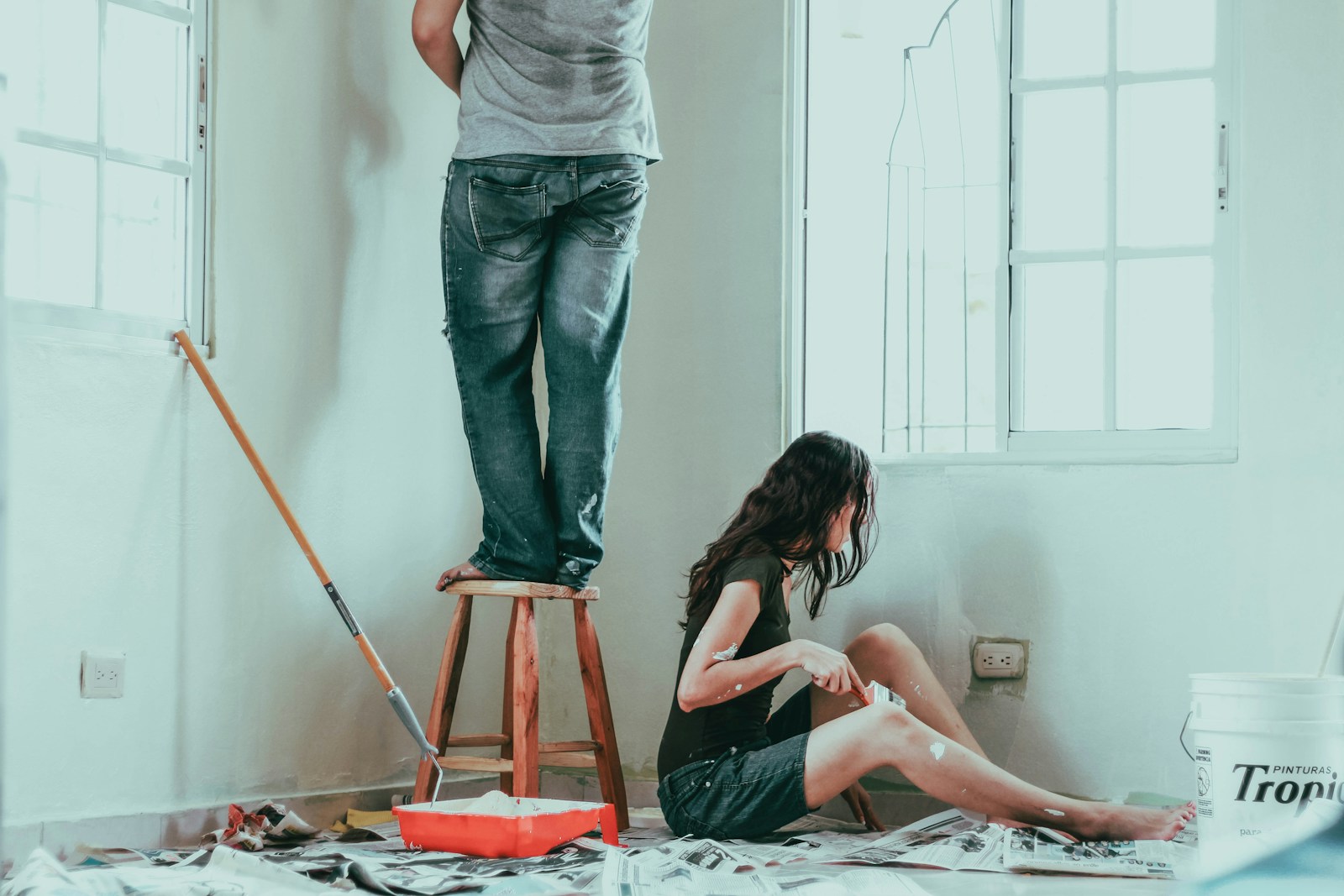
Twenty-five percent of homeowners who attempt a DIY home project end up hiring a professional to fix or finish it anyway, paying an average of $862 in additional fees on top of whatever they already spent, according to Angi’s survey of 750 homeowners who attempted a DIY renovation or repair in the past five years. That’s one in four DIY attempts ending in a phone call to the same professional the project was supposed to avoid. Eighty-six percent of respondents said their project ultimately cost more than they’d planned, and 70% reported running into some kind of problem along the way. The gap between “I can handle this” and “I need someone to redo this” isn’t evenly spread across project types, either; it clusters hard around a specific kind of job.
Where the Failures Actually Happen
Angi’s data points to drywall repair, plumbing work, electrical repair, and flooring installation as the categories most likely to end with a professional called in to fix or complete the job. Angi’s own network of 447 professional service providers, surveyed alongside the homeowners, independently named appliance repair, plumbing, and electrical work as the categories where amateur attempts cause them the most headaches. That overlap matters: it’s not homeowners guessing wrong about which jobs are hard, it’s the same jobs showing up on both sides of the transaction as consistently underestimated. What links drywall, plumbing, electrical, and flooring isn’t difficulty in the abstract, it’s that mistakes in those categories are often invisible until later: a plumbing joint that looks tight can still weep for weeks before it fails, and drywall texture that doesn’t quite match only becomes obvious once the paint dries under the right light.

The $862 Isn’t Really About the Repair
What makes that average correction cost sting is that it’s rarely just “redo the visible part.” A professional called in after a failed DIY attempt often has to undo the amateur work before they can even start the job they were hired for, which means paying for demolition and proper repair on top of the original materials cost. One Angi-quoted professional summed up the more common failure mode bluntly: “The biggest issue is when you get halfway through and then realize you can’t do it yourself, you need to hire someone to finish, and they can’t get you into the schedule for 6 weeks.” That delay compounds the cost problem, since a half-finished plumbing or electrical job often means living without a working fixture for over a month while waiting for an opening.
Confidence Doesn’t Match Skill Level
Only about 5% of the homeowners Angi surveyed identify as DIY experts, yet the vast majority still attempt projects well outside beginner territory. Sixty percent watch YouTube videos to prepare and 54% do additional online research beforehand, which builds real confidence going into a project without necessarily building the muscle memory or troubleshooting instinct that comes from having done the job wrong once already, safely, on a lower-stakes attempt. Eleven percent of surveyed homeowners reported causing actual home damage, injury, or a safety hazard while attempting a DIY project, a reminder that the $862 figure only counts the failures that stayed contained to cost overruns.
What the 25% Number Actually Tells You
A one-in-four failure rate isn’t an argument against DIY generally, painting, minor drywall patches, and basic fixture swaps make up a huge share of successful attempts that never show up in this statistic. It’s a much more specific argument about a particular kind of overconfidence: watching a 12-minute video makes a plumbing repair look mechanical and repeatable in a way that doesn’t survive contact with a corroded shutoff valve or a wall full of surprises. The projects driving that 25% failure rate share a common thread, they look procedural right up until something doesn’t match the tutorial, and there’s no fallback plan once it doesn’t.
Line up the survey data and a pattern falls out that’s easy to miss project by project: the home repairs people underestimate aren’t the ones that look hardest, they’re the ones that look easiest until the first surprise shows up, and by then the “savings” of doing it yourself has already turned into someone else’s overtime rate, invoiced after the fact.
Leave a Reply