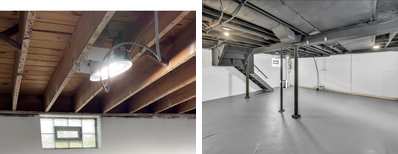
A homeowner is going viral for naming the exact moment reality set in after buying a house, and it’s not the moment most people expect. The creator behind @stayathomegays shared a reel reflecting on what they call the “biggest homeownership wake-up call nobody ever pins on Pinterest”: having to prioritize unglamorous, practical repairs like waterproofing over the pretty, aesthetic projects they’d originally hoped to tackle first.
It’s a feeling almost every new homeowner eventually runs into. The house gets purchased with a mental list of paint colors, light fixtures, and furniture layouts, and then the inspection report, or a wet spot in the basement, rearranges the entire priority list overnight.
Water intrusion is one of the most common reasons a dream renovation gets put on hold. Basements and crawl spaces are especially vulnerable, since they sit below grade and take on hydrostatic pressure from groundwater, especially after heavy rain or snowmelt. Left unaddressed, moisture problems don’t stay cosmetic for long, they lead to mold growth, wood rot, and foundation damage that costs far more to fix than it would have to prevent.
Waterproofing costs vary widely depending on the scope of the problem. A simple fix, like regrading soil away from the foundation or extending downspouts, might run a few hundred dollars in materials for a DIY homeowner. A full interior drainage system with a sump pump, by contrast, commonly runs several thousand dollars when done by a professional, and exterior excavation and waterproofing membranes, the most thorough fix, can run into five figures for a full perimeter job.
Home inspectors generally recommend addressing structural and moisture issues before any cosmetic project, for a simple reason: paint, flooring, and fixtures installed over an unresolved water problem often have to be torn out and redone once the underlying issue is finally fixed. Tackling the unglamorous repair first, even though it’s less fun and less photogenic, usually saves money in the long run.
There are warning signs worth knowing before a problem becomes a four-figure repair. A musty smell in a basement, visible efflorescence (the white, chalky mineral deposits left behind as water evaporates through concrete), peeling paint on basement walls, or a sump pump that runs constantly are all signals that moisture is getting in somewhere it shouldn’t. Catching these early, before drywall or flooring goes in, is far cheaper than discovering them after a finished basement has already been built.
First-time buyers are often blindsided by exactly this kind of expense because home inspections, while thorough, can’t always predict how a house will perform through a full year of weather. A home bought in a dry season might not reveal a drainage problem until the first serious storm. That’s part of why real estate agents and financial advisors commonly recommend new homeowners set aside an emergency repair fund, often cited as 1 to 3 percent of the home’s value per year, specifically for the unglamorous surprises that don’t show up on a Pinterest board.
The silver lining, as plenty of homeowners who’ve been through it will attest, is that the pretty projects do eventually happen. They just happen on the house’s timeline instead of the homeowner’s wish list, and most people find the finished result means a lot more once they know the foundation underneath it is actually solid.
More from Willow and Hearth
- Landlord Says Tenants Moved Out After 27 Years, Then Walks the Empty House for the First Time and Finds Good Floors, Stained Bedroom Carpet and a Bare Garage
- Homeowner Says He Stayed Calm When a Neighbor Poured Concrete Over His Prize Roses, Then Showed a Buyer a 1965 Easement Map Placing the Neighbor’s Garage on the Sewer Line
- Creator says she was quoted thousands of dollars for new countertops and instead found a way to get nearly the same look for a small fraction of the price on her own
Leave a Reply