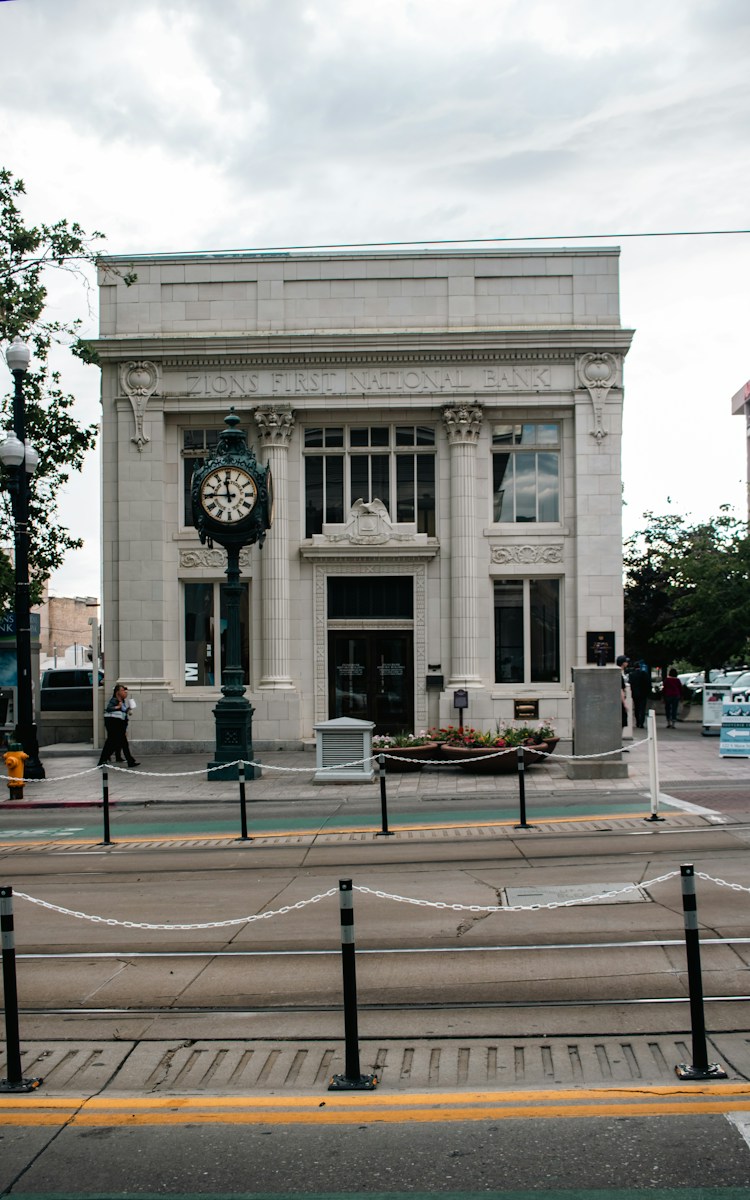
Long before drive-through tellers and mobile banking apps, small-town and city bank branches were built like fortresses — thick masonry walls, soaring ceilings meant to project institutional permanence, and a walk-in vault at the center of it all. When these buildings outlive their careers as banks, a small but persistent niche of buyers has found a second life for them as homes, vault door and all.
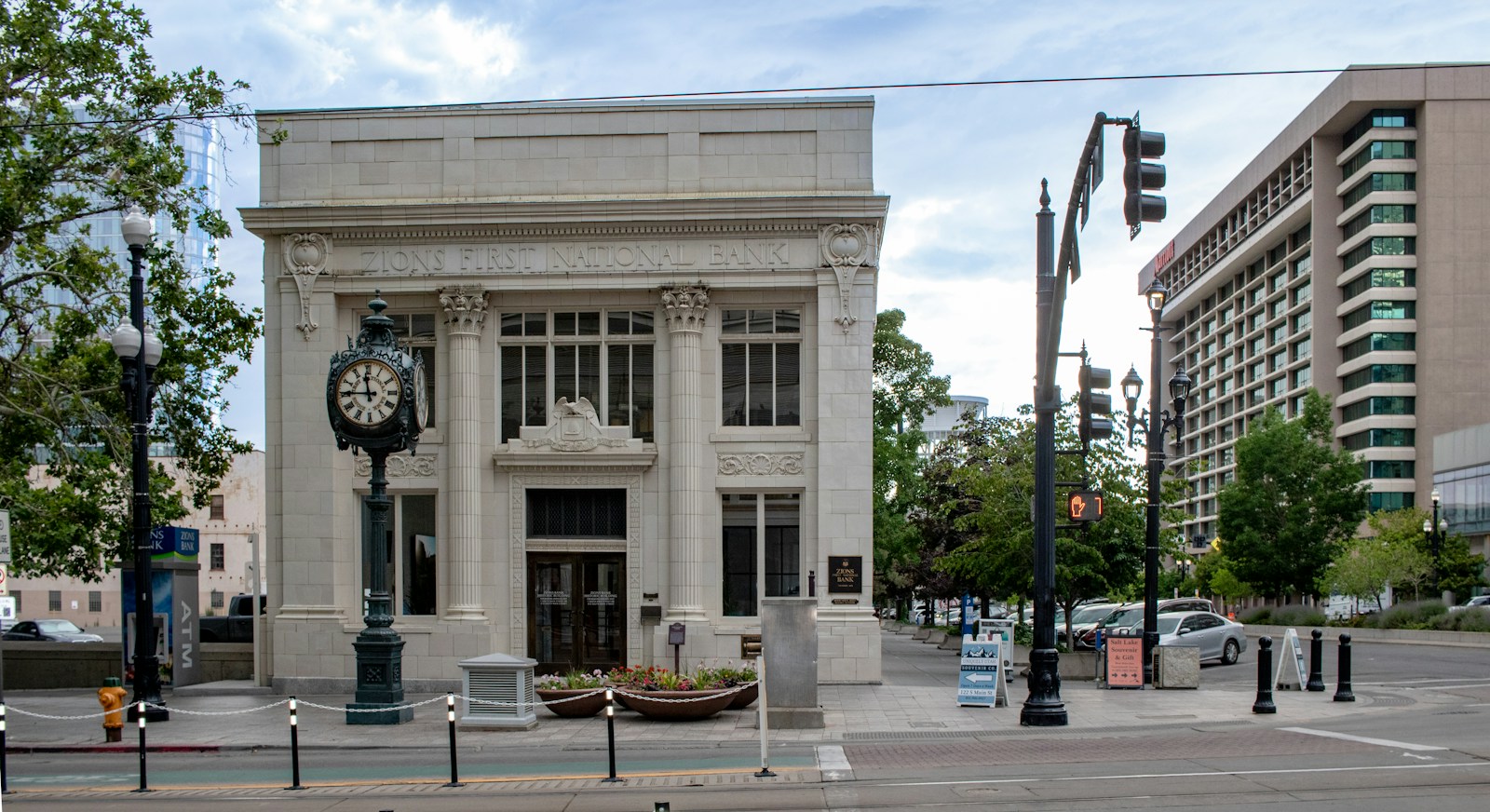
Why Old Bank Buildings Make Unusual but Compelling Homes
Historic bank architecture was designed to communicate trust and stability to depositors, which in practical terms meant oversized windows for natural light, high ceilings, ornate detailing, and construction quality well above what a typical commercial building of the same era received. Those same features that once reassured customers handing over their savings now read as architectural character to homebuyers: soaring living rooms where a teller counter once stood, and details like marble flooring or decorative ironwork that a comparable new-construction home simply could not replicate at any price.
What Happens to the Vault Itself
The walk-in vault is almost always the detail that draws the most attention in these conversions, and owners consistently make the same choice: keep it rather than remove it. A vault door weighing several tons is prohibitively expensive to remove in the first place, but beyond practicality, owners of bank-turned-homes tend to treat the vault as the property’s signature feature rather than an inconvenience — repurposing the reinforced room as a wine cellar, a safe room, a home office, or, as some owners have done, simply an unusually secure closet.
A Recurring, if Rare, Real Estate Category
Bank-to-home conversions surface in real estate listings across the country with enough regularity to constitute their own small niche, from a Detroit bank-turned-home with two separate vaults that has come back on the market at $1.1 million, to similar conversions documented in cities like Duluth, Minnesota, where a former bank complete with its original walk-in vault has likewise drawn attention for the sheer novelty of the space. Each case follows a similar arc: a bank closes or consolidates branches, the building sits vacant or gets used for storage, and eventually a buyer willing to take on a genuinely unconventional renovation converts it into a residence that keeps the vault as a conversation piece.
The Practical Trade-Offs Buyers Take On
Converting a commercial bank building into residential use typically requires rezoning approval, significant plumbing and electrical work to bring commercial infrastructure up to residential code, and creative floor-plan solutions to carve bedrooms and private spaces out of a building designed entirely around open, public-facing transaction areas. For the buyers who take on that work, the result is a home that no other listing in the market can match — a piece of a town’s financial history, reinforced concrete and steel vault door included, repurposed as somebody’s actual living room.
Leave a Reply