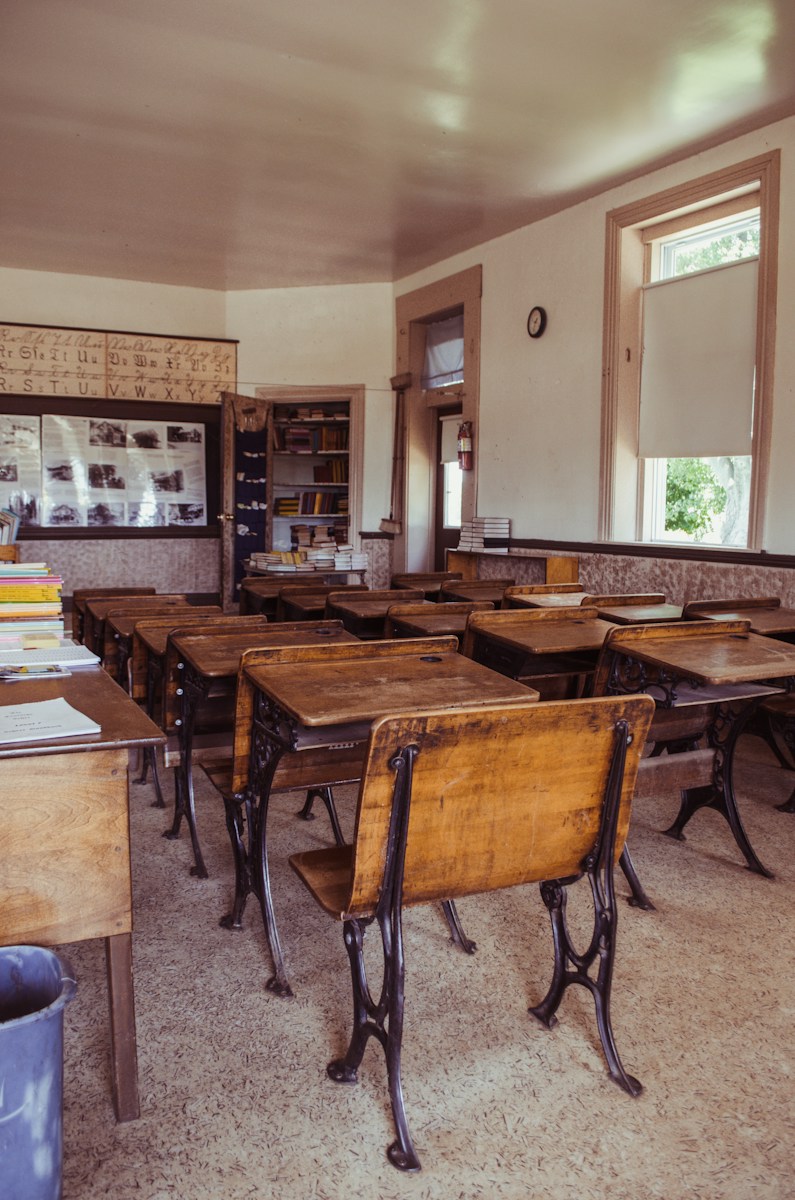
Somewhere between a teardown and a landmark, a decommissioned schoolhouse occupies an unusual place in the real estate market: too structurally sound and often too architecturally distinctive to demolish, too specialized in its original layout to use as-is, and increasingly popular as a conversion project for buyers drawn to high ceilings, oversized windows and a floor plan nobody else in the neighborhood can claim.
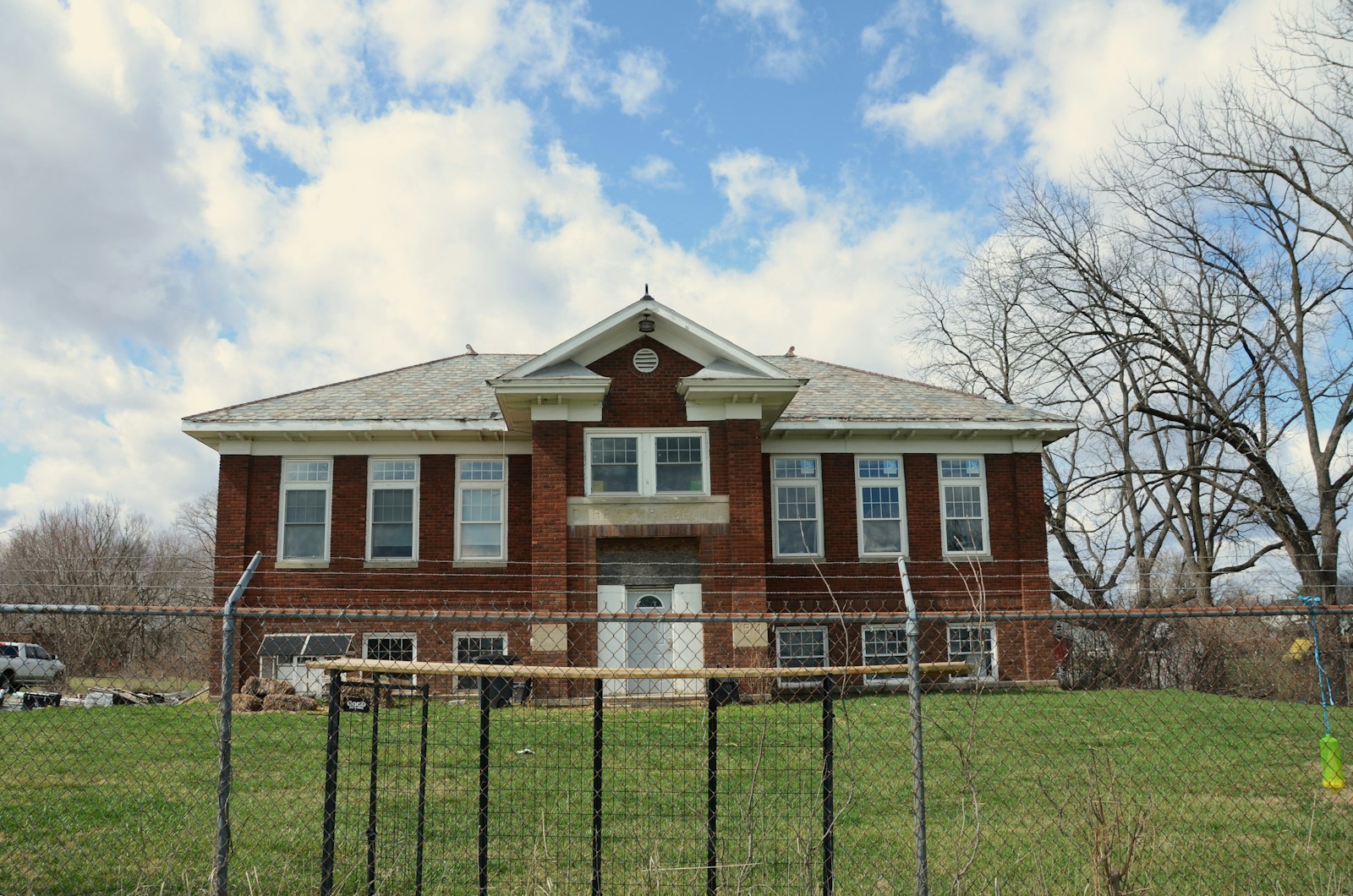
What Makes a Schoolhouse a Good Conversion Candidate
Older one-room and small multi-room schoolhouses were typically built with tall ceilings and generous natural light specifically to serve classrooms full of children, features that translate directly into dramatic, airy living spaces once the desks and chalkboards come out. Many were also built with masonry or heavy timber construction meant to last generations, giving conversion buyers a structurally sound shell to work with rather than a building that needs to be gutted to the studs before anything else can happen.
The Conversions That Keep Making Headlines
A one-room schoolhouse in Northern California’s Sonoma wine country was converted into a three-bedroom home and listed for $6.5 million, according to Robb Report — proof that a schoolhouse conversion can land anywhere on the price spectrum from a modest rural fixer-upper to a genuine luxury property, depending entirely on location and finish level. Other conversions across the country, tracked by outlets including Zillow’s own learning center and real estate blogs specializing in unusual properties, have taken decommissioned schools in small towns and rural counties and turned them into everything from single-family homes to multi-unit residences, each one preserving some signature element of the original building, whether that is exposed brick, a bell tower, or a wall of oversized classroom windows.
Why More Old Schools Are Available Than Buyers Realize
School district consolidation has left a steady supply of decommissioned school buildings sitting vacant across rural and small-town America, as shrinking student populations make maintaining multiple small schools financially unsustainable for districts that once needed them. Rather than sitting empty indefinitely or facing demolition, a meaningful share of these buildings end up sold at auction or through private listings specifically marketed to buyers looking for an unconventional conversion project rather than a traditional renovation.
What Buyers Actually Take On
Converting a former school into a livable home is rarely a cosmetic project. Buyers typically have to address commercial-grade plumbing and electrical systems that need to be reworked for residential use, oversized spaces that require creative subdivision to feel like actual rooms rather than a cavernous classroom, and, depending on the building’s age, potential issues like asbestos or lead paint common to mid-century institutional construction. For buyers willing to take that on, the payoff is a home with genuinely unique bones that no production builder could replicate — a piece of a community’s educational history repurposed as someone’s actual address.
Leave a Reply