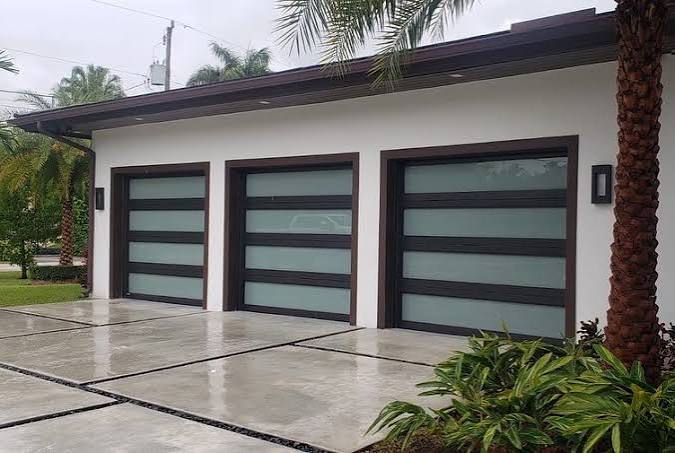
Homeowners in hurricane-prone states are increasingly finding that a stronger garage door does more than protect a car and some storage boxes. Insurers in coastal markets now factor impact-rated garage doors into wind mitigation discounts, treating the door as a defensive weak point on par with roofing and window upgrades.
The mechanism traces back to a well-documented failure pattern in hurricane damage reports. When high wind pressure breaches a garage door, air rushes into the structure and pushes outward on the roof and walls from the inside, a phenomenon insurers and engineers call internal pressurization. Pella explains this dynamic directly to consumers, describing how impact-resistant products factor into insurance discounts as part of a broader wind mitigation package that covers windows alongside the garage door itself. A failed garage door counts among the most common entry points for that pressure buildup, so insurers treat reinforcing it as a meaningful reduction in the odds of a total roof loss.

That insurance angle is now shaping purchasing decisions as much as it shapes marketing copy. Angi’s cost breakdown for 2026 notes that interest in hurricane-rated garage doors has been rising alongside wind mitigation credits, with homeowners along the Gulf Coast and the Southeast weighing the upfront cost of an impact door against years of lower premiums. Pricing varies with size and wind-load rating, and Angi frames the decision as one increasingly driven by what an insurer will credit rather than aesthetics alone.
How the Inspection Actually Works
On the ground, the discount depends heavily on documentation that accompanies the installed product. Seaside Garage Door Experts, a contractor serving Hampton Roads, Virginia, walks through how wind mitigation inspections translate into insurance credits for garage doors specifically. A licensed inspector evaluates the door’s wind-load rating, its track and hardware reinforcement, and whether it meets the building code standard for the homeowner’s wind zone. That inspection report gets submitted to the insurance carrier, which then uses it to adjust the wind portion of the policy.
Homeowners who skip that step can miss the discount even after installing a qualifying door, since insurers generally require the paperwork rather than taking the upgrade on faith. Contractors in storm-prone regions report that requests for inspections and documentation have grown alongside the installations themselves, a sign that buyers increasingly treat the credit as part of the return on investment.
For a homeowner weighing a garage door replacement in a hurricane zone, the current pattern points to two decisions worth making together: choosing a door rated for local wind speeds, and confirming with an insurer or inspector what documentation is needed to actually see the discount applied to a policy.
Leave a Reply