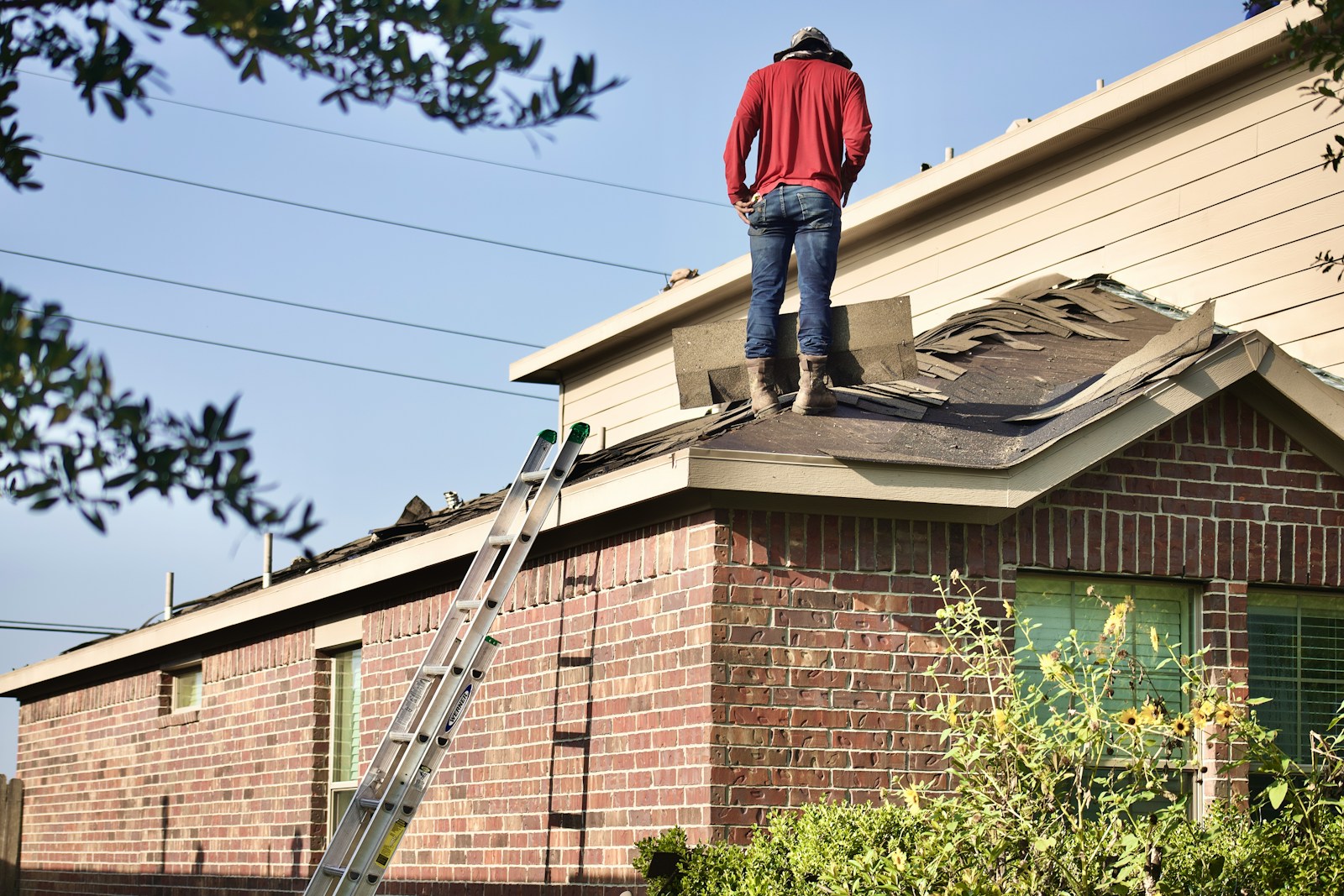
Homeowners in hail-prone and wind-prone regions are taking a second look at their roofs this fall, and insurance companies are giving them a real financial reason to do it. A growing number of insurers now tie premium discounts to Class 4 impact-resistant roofing materials, shingles engineered and rated to hold up against hail strikes and wind-borne debris, and homeowners who already have that roofing installed are checking their policies to make sure they are actually getting credit for it.
What Counts as Impact-Resistant Roofing
Class 4 is the highest rating in the standard impact-resistance testing scale used across the roofing industry, and it generally applies to shingles made with reinforced asphalt, polymer-modified materials, or metal roofing systems built to absorb the force of a falling object without cracking or splitting. State Farm explains on its own consumer site that these materials are built specifically to withstand hail and flying debris, and that the roof’s construction and rating are factors the company considers when writing a homeowners policy. That first-party explanation matters because it comes directly from a major national insurer rather than a marketing claim, and it lays out plainly why a roof’s material and rating can affect both risk and price.
How the Discount Actually Works
On its dedicated discounts page, State Farm lists a range of ways policyholders can lower their homeowners premium, including credits tied to roofing choices alongside discounts for things like security systems, claims-free history, and bundling policies. The company does not publish a single universal percentage for the roofing credit, since the exact savings depend on the state, the specific policy, and the roofing material installed, but the page confirms that qualifying roof upgrades are treated as a legitimate, ongoing discount category rather than a one-time promotional offer. That distinction is part of why homeowners are moving quickly to document their roofs now, before storm season claims pile up and before they miss out on savings they may already qualify for.
State Oversight Adds Structure
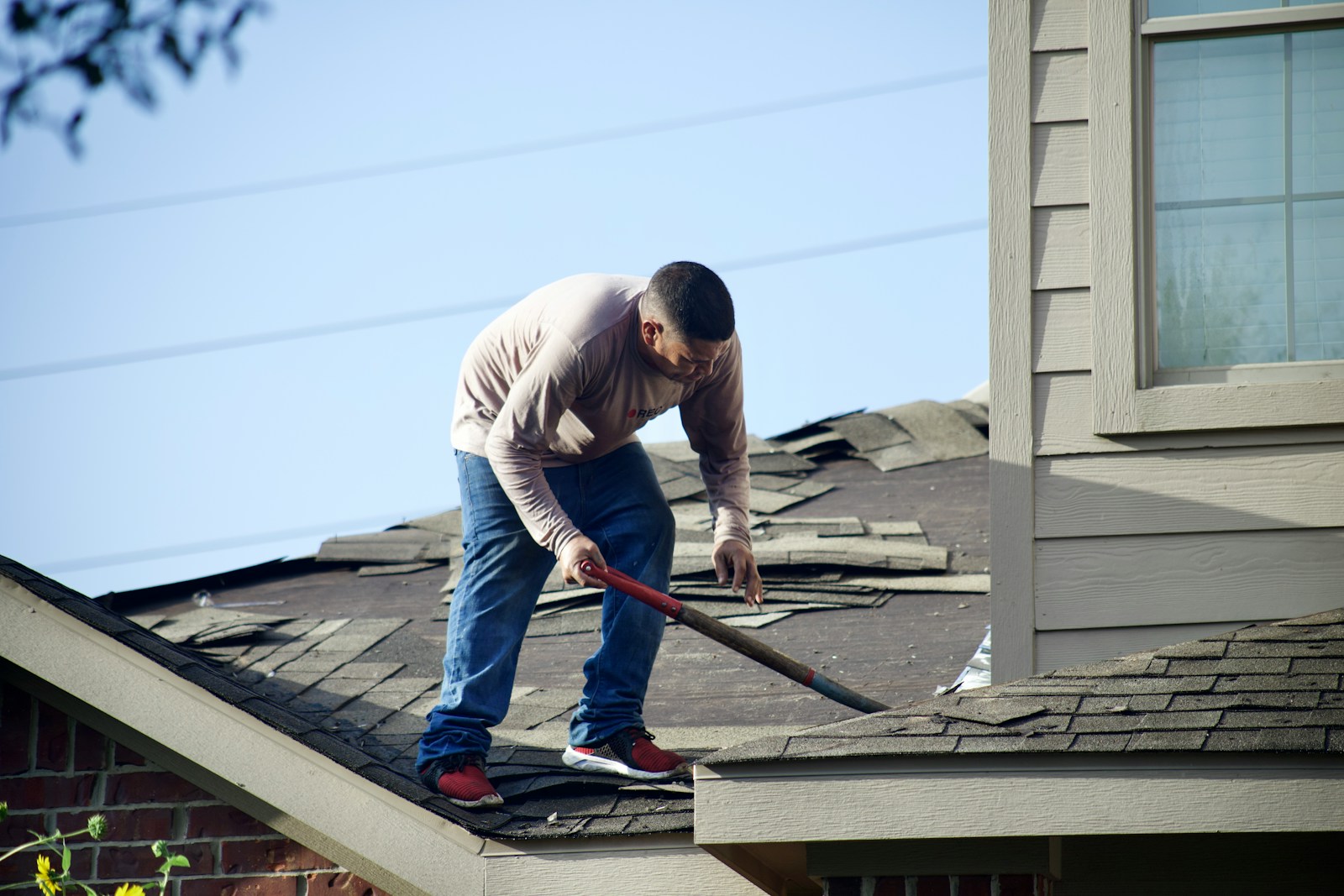
The push toward impact-resistant materials is not just an insurer-by-insurer preference. In Texas, one of the states most exposed to hail damage, the Texas Department of Insurance maintains an official page on roofing-related insurance discounts, giving homeowners a state-level resource for understanding how these credits are supposed to work and what documentation insurers may require. Having a state regulator publish guidance on roofing discounts gives the practice a level of standardization that a single company’s marketing page cannot provide on its own, and it gives homeowners a place to check requirements before they invest in a new roof or file paperwork with their insurer.
For homeowners who already installed Class 4 shingles or a comparable impact-resistant roofing system, the practical step now is confirming the material is documented on file with their insurer, since a discount tied to roofing quality only applies once the company has verified what is actually on the house. Those weighing a roof replacement are increasingly factoring the potential premium credit into the decision alongside durability and storm protection, treating the upgrade as a cost that can pay part of itself back over time through lower annual insurance bills.
Leave a Reply