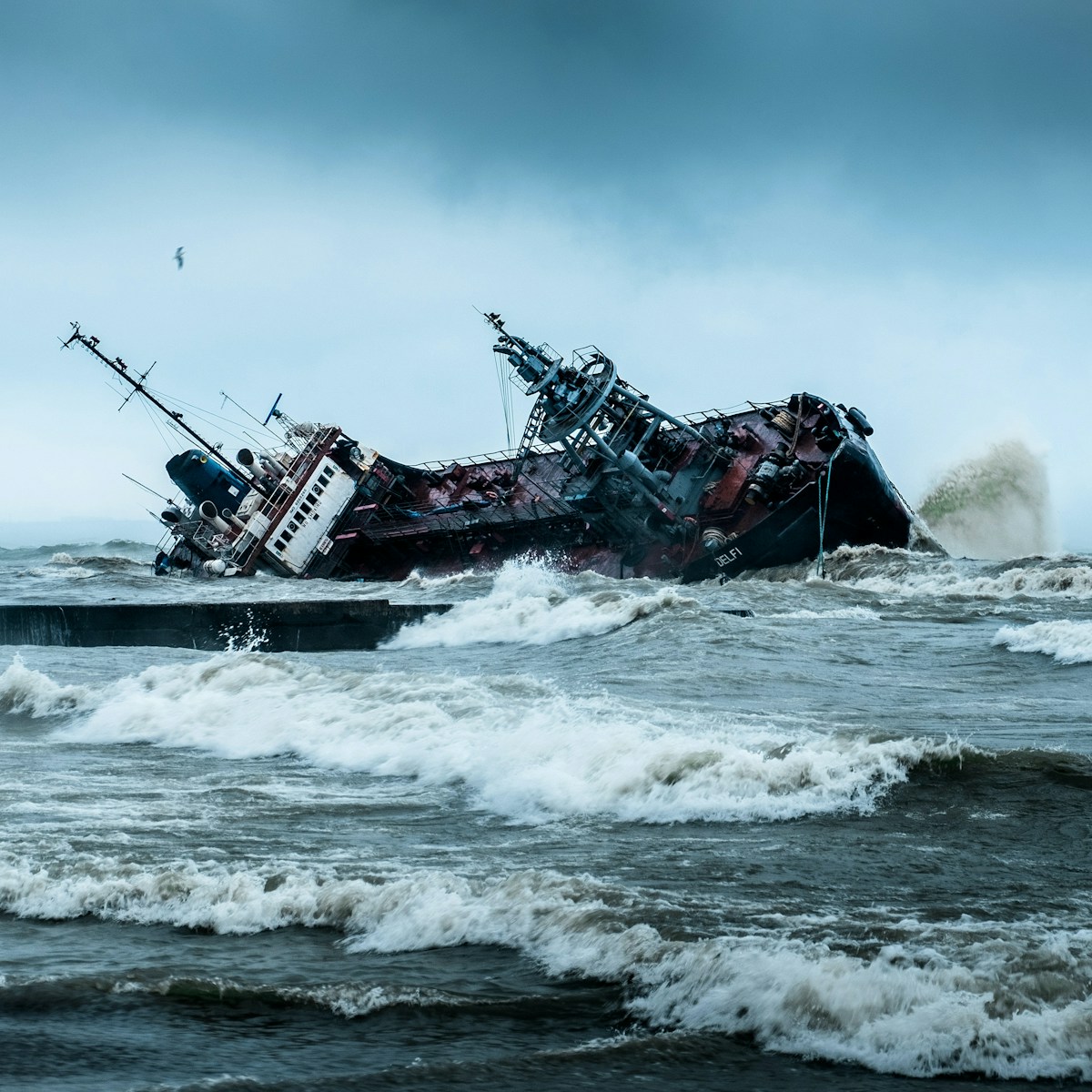
Hurricane Lowell tore across Kauai overnight, and residents woke to fallen trees, damaged roofs and power outages spreading across much of the island, according to a report from Kauai Now.
The storm moved through in darkness, which the outlet’s account makes clear was part of what made it so frightening for the people riding it out. Homeowners went to bed with one set of expectations and woke up to a different island: trees down across yards and roads, roofs stripped or punctured, and a silence where the hum of refrigerators and air conditioners used to be. Kauai Now’s reporting describes residents as terrified during the overnight hours, and the aftermath they described the following morning matched that fear, visible structural damage paired with an island-wide loss of electricity.

What makes overnight storms like Lowell particularly disruptive for homeowners is the gap between the damage and the discovery. Nobody is out checking gutters or securing loose furniture at 3 a.m. in the middle of a hurricane. Instead, the real accounting happens at first light, when a family walks outside and starts totaling what a tree did to a carport, or what wind pulled off a roofline overnight. That’s the pattern Kauai Now captured across the island: damaged homes and downed trees discovered only once the storm had already passed.
Power loss adds its own layer of difficulty on top of physical damage. A downed tree is a repair job; no electricity across much of an island means spoiled food, unusable water pumps in some homes, and days of uncertainty for anyone trying to assess a roof or file paperwork without reliable phone charging or internet access. The scale described in the report, outages affecting much of Kauai, not an isolated neighborhood, points to a recovery that will likely take days rather than hours for many households.
For homeowners on Kauai, the immediate priorities now are safety and documentation: photographing damage before cleanup begins, keeping receipts for any emergency repairs, and confirming with insurers what’s covered under a hurricane versus a general wind or water claim. Those distinctions tend to matter a great deal once adjusters start showing up, and they’re often the difference between a claim that moves quickly and one that stalls for months.
Kauai’s building codes already account for hurricane-force wind loads more than most mainland jurisdictions, given the island’s exposure, but code compliance mainly protects against total structural failure rather than the kind of surface damage, stripped shingles, downed limbs, cracked siding, that still adds up to expensive repairs. Homeowners filing claims in the coming days will likely find that distinction matters a great deal to how quickly an adjuster processes a straightforward wind claim versus one that gets tangled up in questions about flood or storm-surge exclusions instead.
Leave a Reply