Most people never think about where shower water goes after it swirls down the drain. A plumber who posts as @visionaryplumbingllc recently showed off a piece of equipment that puts that warm water to work, and he says “it’s not something you see very often.”
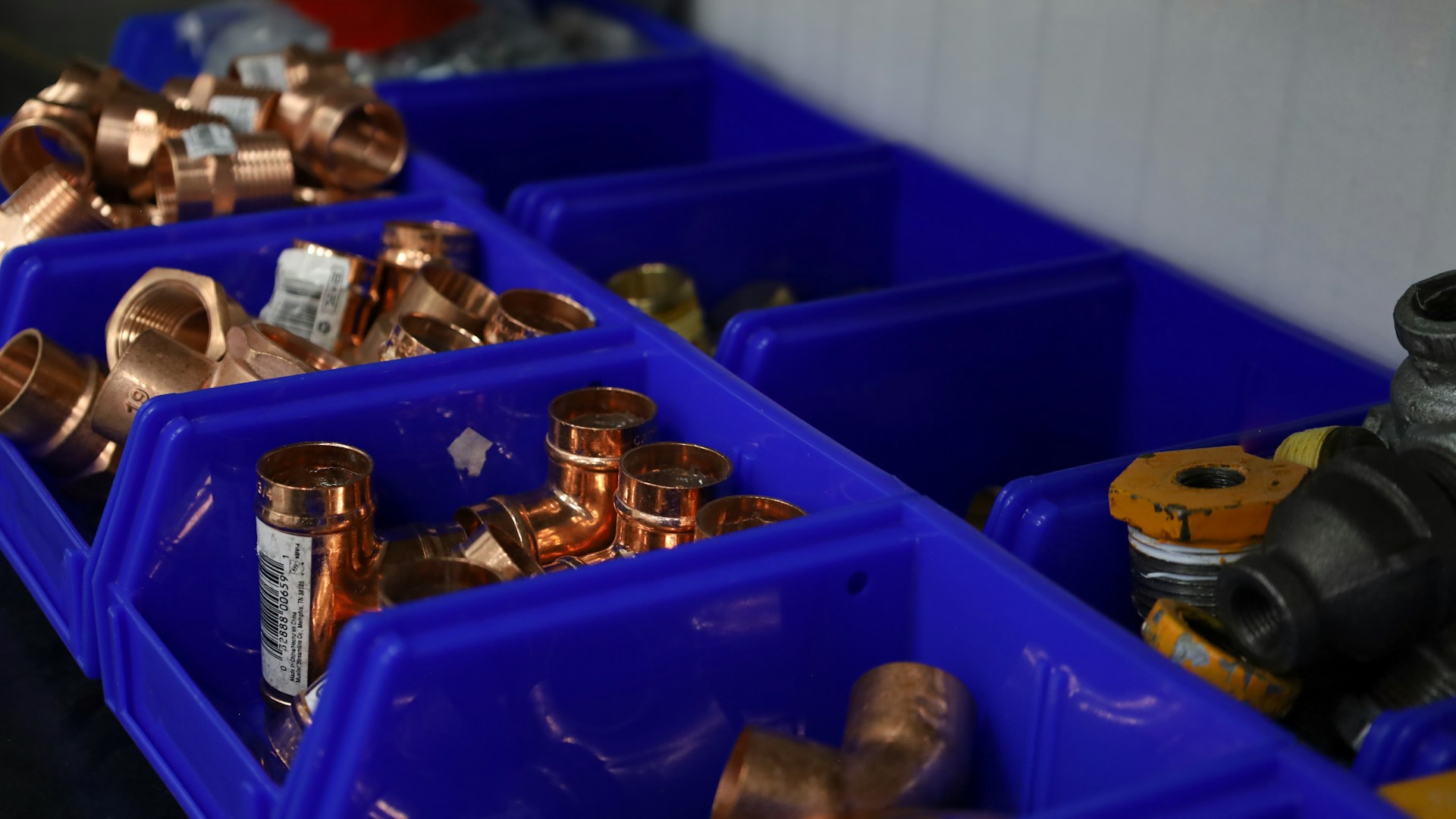
It is called a thermodrain, and it is installed in a custom home in southern Utah. The builders are using it as one of many things aimed at making the house more energy efficient.
Here is how the plumber says it works and why it caught his eye.
View this post on Instagram
A Very Unusual Build Where Energy Efficiency Comes First
The plumber describes the home as a custom build in southern Utah. He says the build is very unique and that many of the practices and building sciences in the house are not very common.
The thermodrain is just one piece of that effort. He calls it one of many things the team is doing to help with energy efficiency.
It is the kind of detail a homeowner would never spot from the living room, yet it sits inside the wall carrying away every shower.
A Double Wall Copper Drain Replaces The Normal Waste Pipe
The plumber explains that the thermodrain is a double wall copper pipe installed in place of the normal DWV pipe, the drain, waste and vent line that carries used water out of a home.
A three-quarter inch copper coil wraps around that pipe. According to him, the design keeps the sewer water separate from the potable water, the clean water meant for drinking and washing.
So there are two paths running side by side. Used water goes down the middle, and fresh water travels through the coil on the outside.
The Copper Steals Heat From Shower Water To Preheat The Cold Line
Here is the clever part. When someone is using a shower, the hot water draining away comes down the stack in a spiral.
As that water spirals down, he says, the copper pulls the heat out of it and uses that heat to preheat the cold inlet. The cold line comes in, picks up warmth, and the preheated line exits at the top.
That outgoing line is insulated, which helps keep as much of the energy and temperature consistent as it travels. It then heads to either the inlet of the shower or the inlet of the water heater.
In plain English, heat that would normally go down the drain gets recycled to warm the water heading into the house.
Best Paired With A Tankless Heater In A Cold Climate
The plumber says this setup works best when it is attached to a tankless water heater, and in a colder climate where the water coming into the water heater is cold.
If the inlet water can be preheated just a little, he explains, the heater has to use just a little less energy to bring that water up to 120 degrees. The savings come from that head start.
He is realistic about the technology. “Not super common,” he says, but his team wanted to share it “because it’s pretty cool.”
What Homeowners Can Learn From A Thermodrain
Most homeowners will never install a device like this, but the idea behind it is worth knowing. Water heating is one of the larger energy costs in many households, so anything that trims the work the heater does is worth a look when you build or renovate.
If you are planning a new build or a big remodel, ask your plumber and builder about energy options for hot water. Questions about tankless heaters, pipe insulation and ways to recover heat can start a useful conversation, and a licensed professional can tell you what fits your climate and budget.
Insulating hot water pipes is a simpler step many homeowners can take today. Foam sleeves on accessible hot lines help water stay warm as it travels, which means less waiting at the tap and less heat lost on the way.
Another small step is to check the temperature setting on your water heater. The plumber mentions 120 degrees as the target his system is helping the heater reach, which is a commonly used setting in homes.
Think of it as a heat exchanger built into the plumbing. Because the exchange happens through solid copper, no water mixes with the other, and the energy simply moves from the drain water to the fresh water.
Hot showers are a daily habit, which means the system gets steady use. Every shower in the house gives the copper another chance to capture warmth that would otherwise be lost.
Finally, remember that anything involving drain, waste and vent lines or potable water is work for a licensed plumber. Local codes control how those systems are put together, and mistakes can affect health and safety.
A copper pipe that borrows heat from a shower is not going to be in every house on the block. As this southern Utah build shows, though, some builders are rethinking where a home’s energy goes. Follow @visionaryplumbingllc for more looks at what is hiding inside the walls.
More Stories You May Like
- Retirees Pay $7,913.99 To Fix A Hail Damaged Roof, Then Say The Contractor Vanished, So She Shows Up At His Door And His Wife Reveals A Text Chain With About 20 Other Alleged Victims And Two Sheriff’s Offices Open Investigations
- About 100 Homeowners Near The Hollywood Sign Sue The City Over Selfie Crowds Blocking Their Driveways, And Traffic Data Shows 48,200 Vehicles Passed Through In Just 13 Days
- About 265,000 Sharper Image Tabletop Fire Pits Sold For $30 To $50 At Home Depot, Lowe’s, Target And Walmart Are Recalled After Ignited Fuel Escaped And Caused Third And Fourth Degree Burns
Leave a Reply