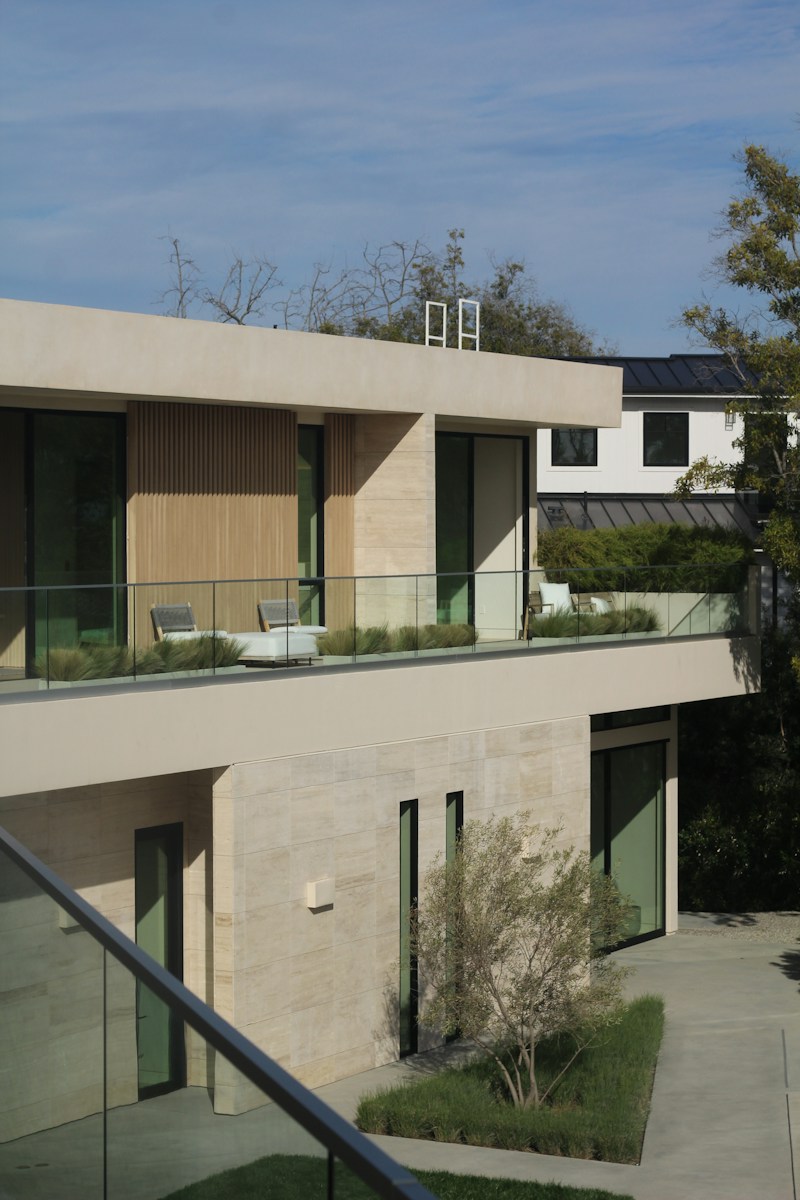
Anthony Davis has closed the book on one of his California chapters, parting ways with a mansion that carried a $32 million price tag. The sale, reported by Yardbarker, closes out what was clearly a significant chunk of the NBA star’s real estate portfolio, and the photos accompanying the report make it obvious why a property at that price point takes its time finding the right buyer.
A $32 million home isn’t moving in a weekend open house. Properties at that tier sit in a market of their own, one where the buyer pool is small, the vetting is slow, and the list of must-haves, privacy, security, enough square footage to justify the number on the listing, narrows things considerably. According to Yardbarker’s coverage, Davis’s mansion checked those boxes in a way that made the eventual sale notable even by celebrity real estate standards.

Why the High End Moves Differently
Ultra-luxury listings tend to follow a different rhythm than the rest of the market. Where a typical home might see a bidding war within days, mansions in the eight-figure range often sit for months, sometimes longer, while agents work through a much shorter list of qualified buyers. It’s not unusual for a property like this to change hands quietly, through private networks rather than public listing sites, before anything about the sale becomes visible to the outside world. That appears to be roughly the arc here: a marquee property, a patient search for the right buyer, and eventually a deal that closed at the full scale of its original ambition.
For athletes and other high-profile owners, a sale of this size is rarely just about square footage. It’s about matching a very specific property, built with a very specific lifestyle in mind, to one of the few buyers who can both afford it and actually use it the way it was designed. That combination is what tends to draw out the timeline on listings like this one, and it’s part of what made this particular sale worth writing up rather than filing away as a routine transaction.
Celebrity real estate moves have become their own steady beat in recent years, as athletes cycle through cities, teams, and life stages, and their homes follow suit. Davis’s sale fits that broader pattern: a high-value asset acquired during one phase of a career, sold as priorities shift, with the photos left behind as the clearest evidence of what made the place worth the wait.
Leave a Reply