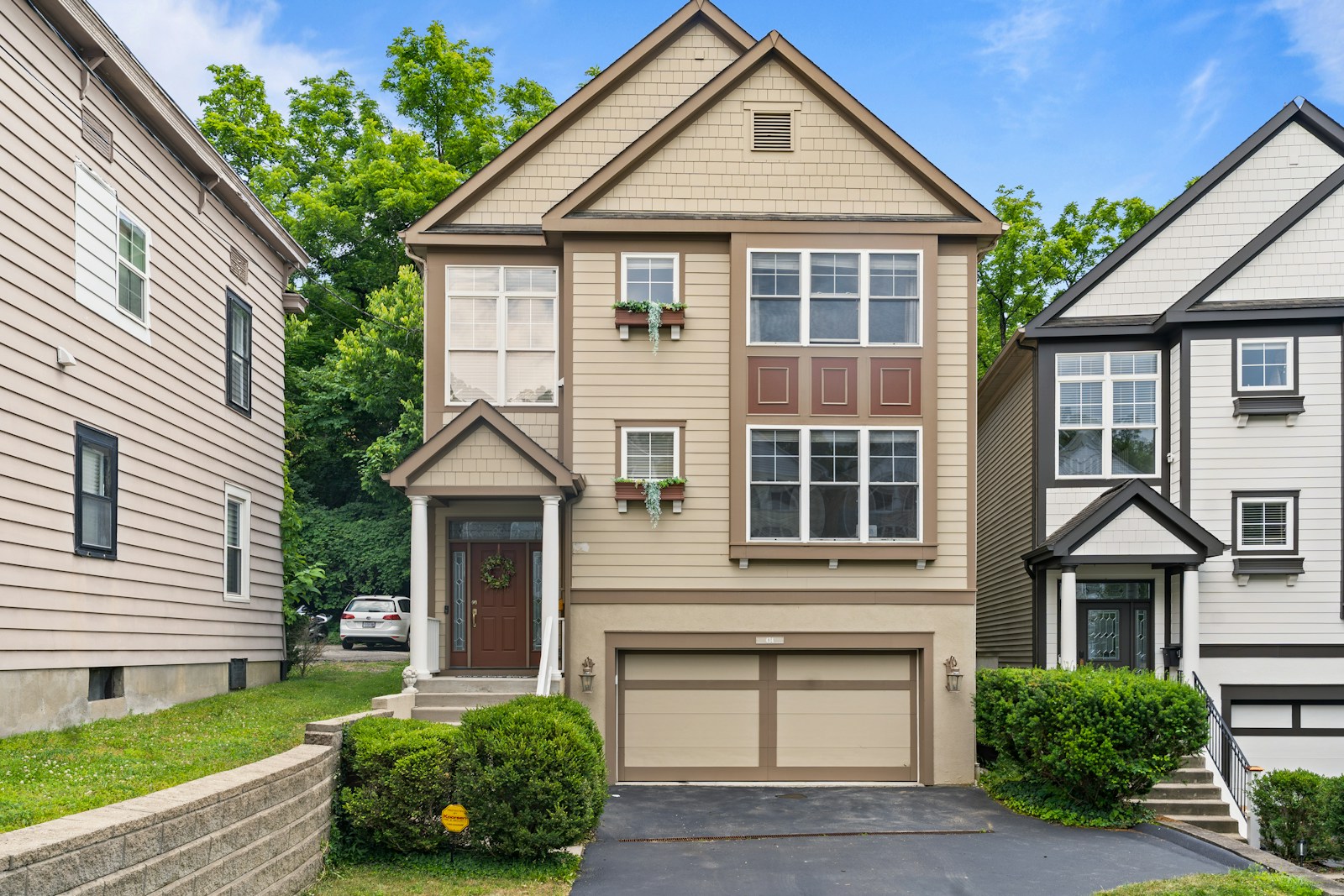
The supply side of the housing market just did something it hasn’t done in more than four years: new listings jumped even as buyer demand kept softening, and the combination is finally handing patient buyers some real negotiating room. According to Redfin’s August 2026 report, U.S. new listings rose 2.6% month-over-month, hitting their highest level in more than four years.
That uptick in fresh inventory didn’t happen in isolation. Redfin’s data shows total homes for sale climbed to their highest level since 2020, up 3.9% from the prior month. Put those two numbers together and the picture is a market where sellers are increasingly willing to test the waters while buyers, for a mix of reasons including affordability fatigue, are pulling back rather than snapping up everything that hits the market.

Where the Inventory Growth Is Concentrated
The surge in new listings wasn’t spread evenly across the country. Redfin found San Jose led all metros with new listings up 25.5% year-over-year, followed by Nashville at 15.8% and Seattle at 13.7%. Seattle showed up twice in the report, and for good reason: it also posted the largest jump in active listings of any metro tracked, up 24.2% year-over-year, according to the same data.
That kind of concentrated growth tends to signal local dynamics as much as national ones. A metro like San Jose posting a quarter-plus jump in new listings suggests sellers there have decided this is the window to move, whether that’s driven by relocation, job shifts, or simply a sense that pricing has peaked for now. Seattle’s double appearance, leading in both new and active listings, points to a market where inventory has been building for a while and is now becoming visible all at once.
What the Shift Means for Buyers Still in the Game
Redfin Senior Economist Chen Zhao, cited in the report, framed the moment as one where market forces are tilting toward buyers, and the underlying numbers back that up. More homes on the market combined with softer demand is close to the textbook definition of leverage shifting hands. Buyers who have been sitting out the last few years of tight inventory and stiff competition now have more to choose from and less pressure to move fast on the first thing they see.
That doesn’t mean prices are collapsing or that every metro is suddenly a buyer’s market overnight. It means the balance that’s favored sellers for years is loosening, at least in the metros where new listings and active inventory are climbing fastest, and serious buyers finally have a bit more room to negotiate than they’ve had in a long stretch.
Leave a Reply