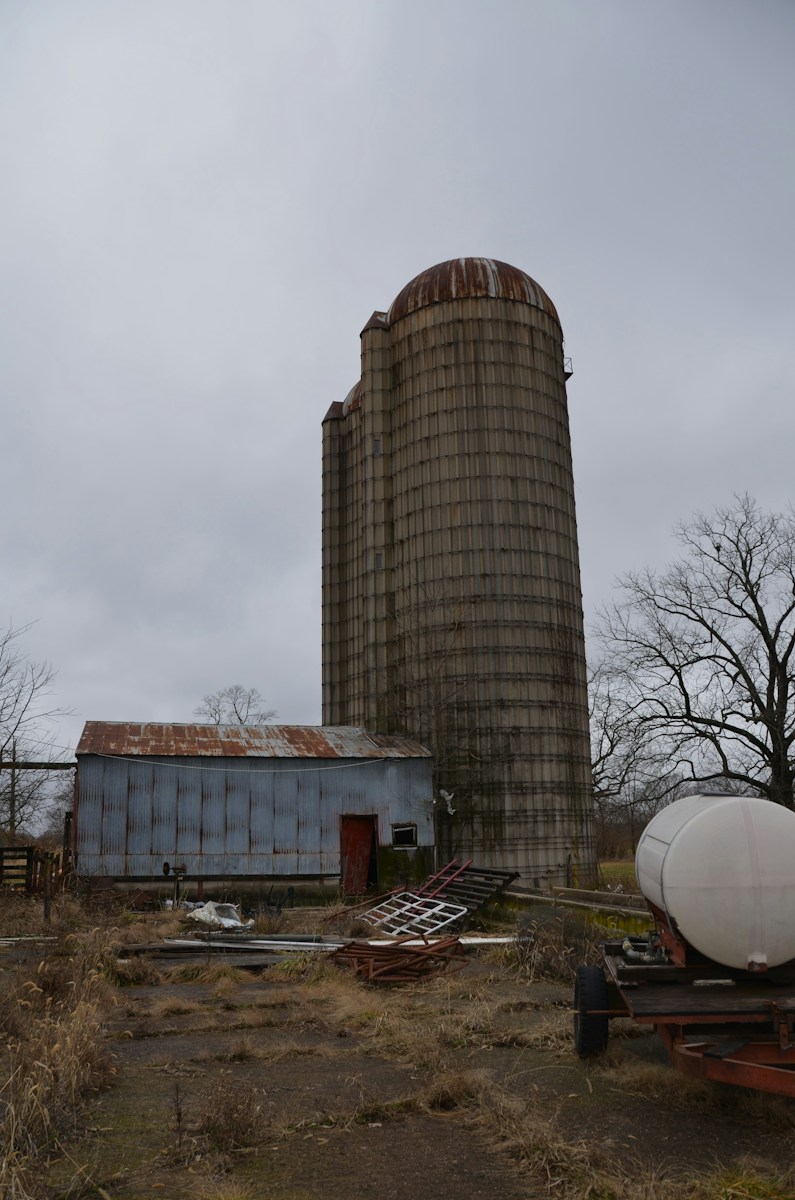
Eighteen stories underneath a wheat field outside Lincoln, Kansas, sits a poured-concrete tube built to survive a Soviet nuclear strike — and for $1.3 million, it’s now somebody’s to renovate into a house. The listing, first reported by KCTV5 and Homes.com, covers 8.4 acres above ground and drops fourteen stories from a two-story control center down to the silo floor. Real Broker agent Terra Martin has the property listed, and the photos alone — a freshly painted control room with a working kitchen and bedroom, a 75-ton steel blast door, original barbed-wire fencing still ringing the perimeter — have been enough to stop strangers scrolling real estate listings mid-swipe.
A Cold War relic with a kitchen already in it
The facility was built in 1960 as part of the Atlas F missile program, one of 72 such silos constructed nationwide and one of 12 in Kansas, chosen for its inland distance from coastal targets, according to KCTV5’s reporting. It was decommissioned by 1965, only a few years into service, once the Atlas F system was phased out in favor of newer missile technology. What’s left behind is not a crumbling ruin. It is a hardened structure engineered to withstand a direct strike: reinforced concrete walls, a security “entrapment room” with its original phone verification system, and a 2,500-square-foot control center that someone has already started turning into livable space.
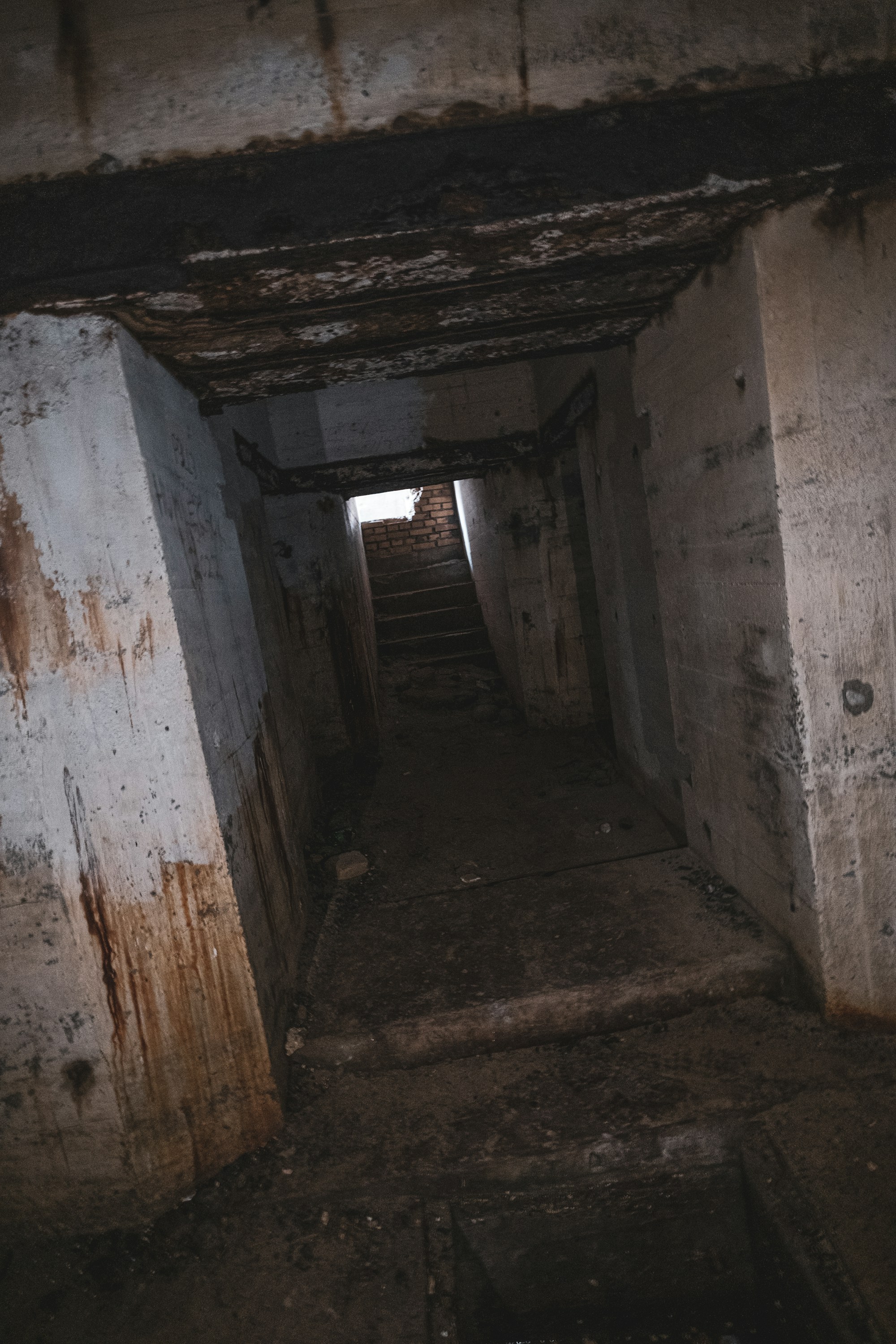
Homes.com’s reporting on the same listing adds detail on the mechanicals of the place: a water well already on the property, natural temperature regulation that holds steady between 54 and 62 degrees year-round regardless of the Kansas weather overhead, and zoning that leaves the door open for uses well beyond a residence — a mushroom farm, an art gallery, a wine cellar, or simply an extremely well-insulated home office. Two metal storage buildings and a pair of 100-by-40-foot concrete pads sit above ground, remnants of the machinery that once serviced the missile below. The original steel doors and structural brackets, built to withstand a blast, are still intact more than sixty years after the site went dark.
Kansas’s other famous silo
The Lincoln listing isn’t the first time a Kansas missile silo has turned heads. Roughly two hours south, near Concordia, a different Atlas F silo became the Survival Condo Project, a fifteen-story underground development converted into multimillion-dollar residential units, complete with a pool, a rock-climbing wall, and a general store, built to house residents through an extended emergency. That project took years and tens of millions of dollars to complete, and it’s frequently cited as proof of concept for what these structures can become once someone commits real capital to the build-out. The Lincoln property is a much earlier-stage version of the same idea: the shell and the hardest engineering problems — structural integrity, security doors, groundwater management — are already solved, and a buyer is essentially being asked to finish what the Survival Condo developers built from scratch, at a fraction of the cost.
Why silos keep finding buyers
Kansas has quietly become a hub for this kind of property. The state’s flat terrain and Cold War-era missile density mean decommissioned Atlas and Minuteman silos surface on the market every few years, usually marketed to preppers, hobbyists, or anyone chasing a genuinely singular renovation project rather than a conventional flip. What distinguishes the Lincoln silo from the usual “off-grid bunker” listing is how far along the conversion already is — a kitchen and bedroom already framed out and painted, rather than bare concrete and rusted ladders. That head start is likely part of what’s driving the asking price into seven figures for a property with no aboveground house at all, and it’s a far cry from the raw, unfinished silos that typically list for a fraction of the price with none of the interior work done.
It’s also a reminder of how much infrastructure from a war that never happened is still sitting, unused, beneath ordinary-looking farmland. The Atlas F program itself only lasted a few years before being retired, meaning most of these silos spent far longer sitting empty than they ever spent operational. Whoever buys the Lincoln property will be signing up for a renovation unlike almost any other on the market: no windows to install, no roof to replace, just 40 feet of steel and concrete between the surface and a control room built to launch a missile that, in the end, never left the ground.
Leave a Reply