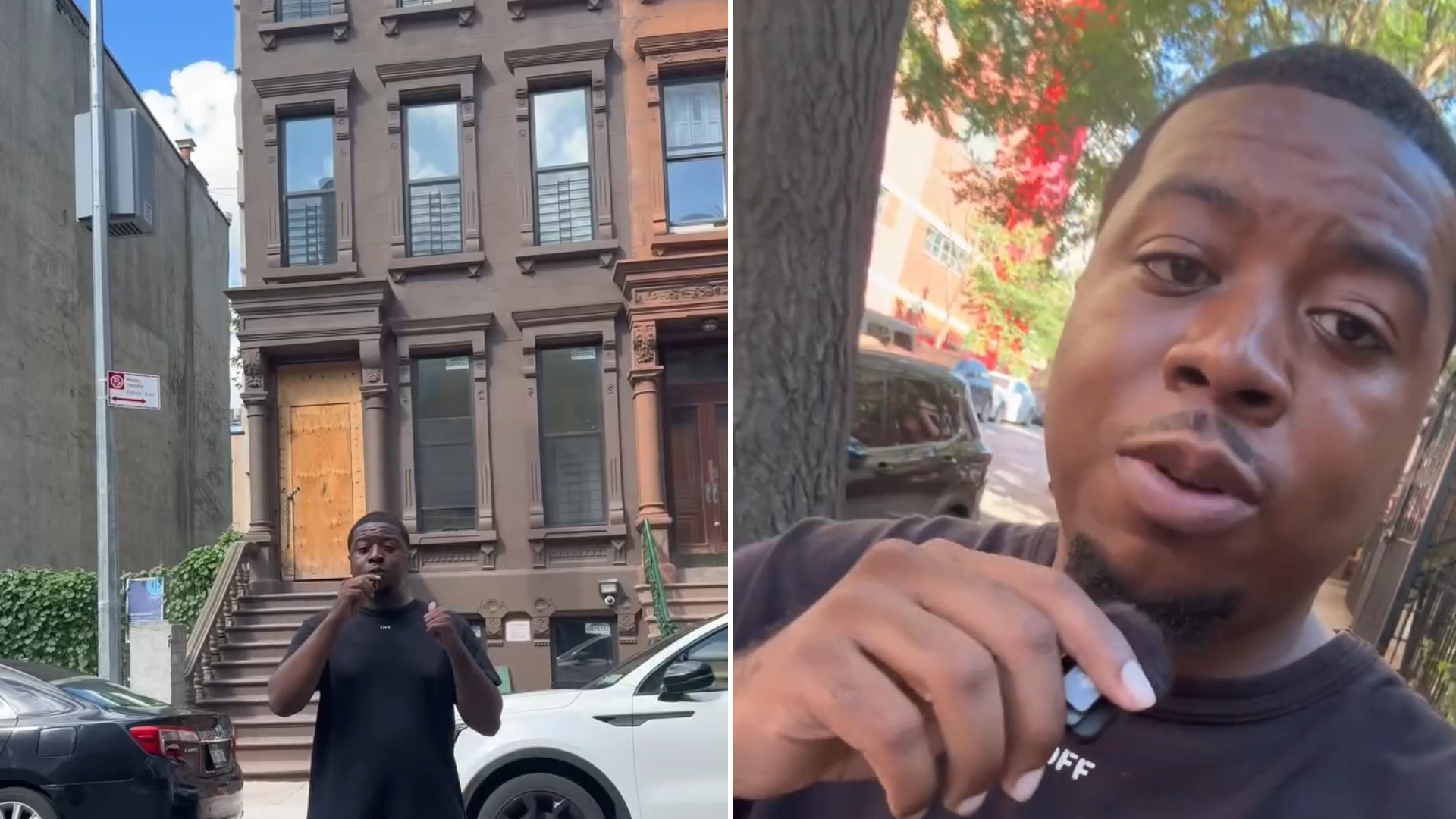
Historic brownstones carry a particular allure — character, history, neighborhood prestige — which is exactly what makes them a frequent target for a particular kind of real estate scam, according to an ongoing investigative series.
Posting on Instagram as @scourgebliss, the creator’s caption picks up mid-investigation: “Part 2 of the 506 West 157th Street story 🏠🔍 Turns out, the people connected to this case were also…” According to the video, the creator investigates and exposes what’s described as a series of real estate scams involving brownstones in Harlem, continuing a story that’s apparently already drawn a following after its first installment.
The multi-part structure suggests a genuinely layered investigation — connections between different cases, patterns across multiple properties, rather than a single isolated incident. The video doesn’t detail every specific finding, but the caption’s teaser — that people connected to this case were “also” involved in something else — signals the investigation is uncovering a broader pattern rather than a one-off scheme.
The series has built real momentum, with this installment drawing 1.2 million views on an account with 29,000 followers — a strong multiple that reflects sustained public interest in seeing exactly how real estate scams like this one actually operate, laid out piece by piece.
Investigative series like this one often build their audience gradually, gaining momentum as each new installment adds another thread connecting seemingly separate incidents — turning what might look like one unlucky property into evidence of a broader, more troubling pattern.
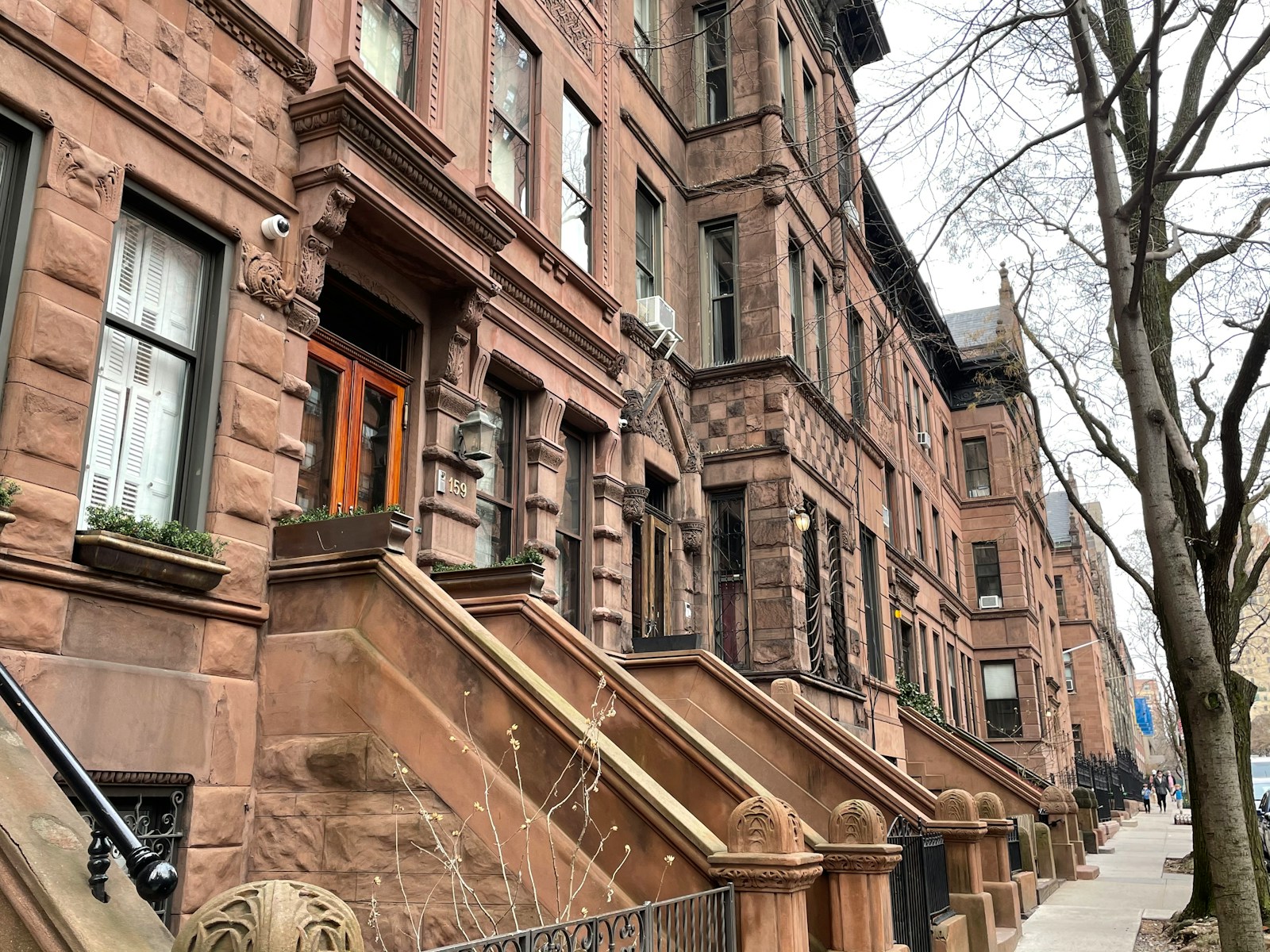
Harlem’s brownstones, in particular, have become a frequent target in these schemes given both their high value and, in some cases, longstanding family ownership with gaps in active oversight — exactly the combination fraud investigators say makes a property vulnerable.
How to Protect Yourself From Brownstone and Property Scams
Property and deed fraud targeting historic or high-value homes — brownstones, family-owned properties, homes belonging to elderly or absent owners — has become a well-documented problem in cities with older housing stock, where properties can carry significant equity and, sometimes, gaps in active oversight that scammers are able to exploit.
A few practices offer real protection. Property owners can sign up for free deed fraud alert services through their county or city recorder’s office, which notify an owner immediately when any document is recorded against their property — often the first sign of a fraudulent transfer attempt. For anyone purchasing a property, especially one that’s changed hands quickly or has a complicated ownership history, a full title search and title insurance are non-negotiable protections against inheriting someone else’s fraud.
If you suspect a property scam — whether it involves your own home or one you’re investigating — local district attorney’s offices increasingly have real estate fraud units specifically set up to handle these cases, and many states also have consumer protection divisions within the attorney general’s office that accept fraud complaints directly. Documentation matters enormously in these cases: saved listings, correspondence, and public records tend to be what actually moves an investigation forward, whether it’s conducted by law enforcement or, as in cases like this one, by someone determined to expose the pattern themselves.
It’s also worth knowing that some cities have established specific task forces or hotlines for deed theft and real estate fraud, distinct from general police non-emergency lines, staffed by investigators who specialize in exactly this kind of paperwork-based crime. Reaching out to a specialized unit, where one exists locally, often produces a faster and more informed response than a general fraud report filed elsewhere.
Older homeowners or families with inherited property who haven’t actively managed the paperwork in years are especially encouraged to check their deed status periodically, since fraud in these cases can sometimes go unnoticed for months without a deliberate check.
You can watch the full video and follow @scourgebliss on Instagram for more.
Leave a Reply