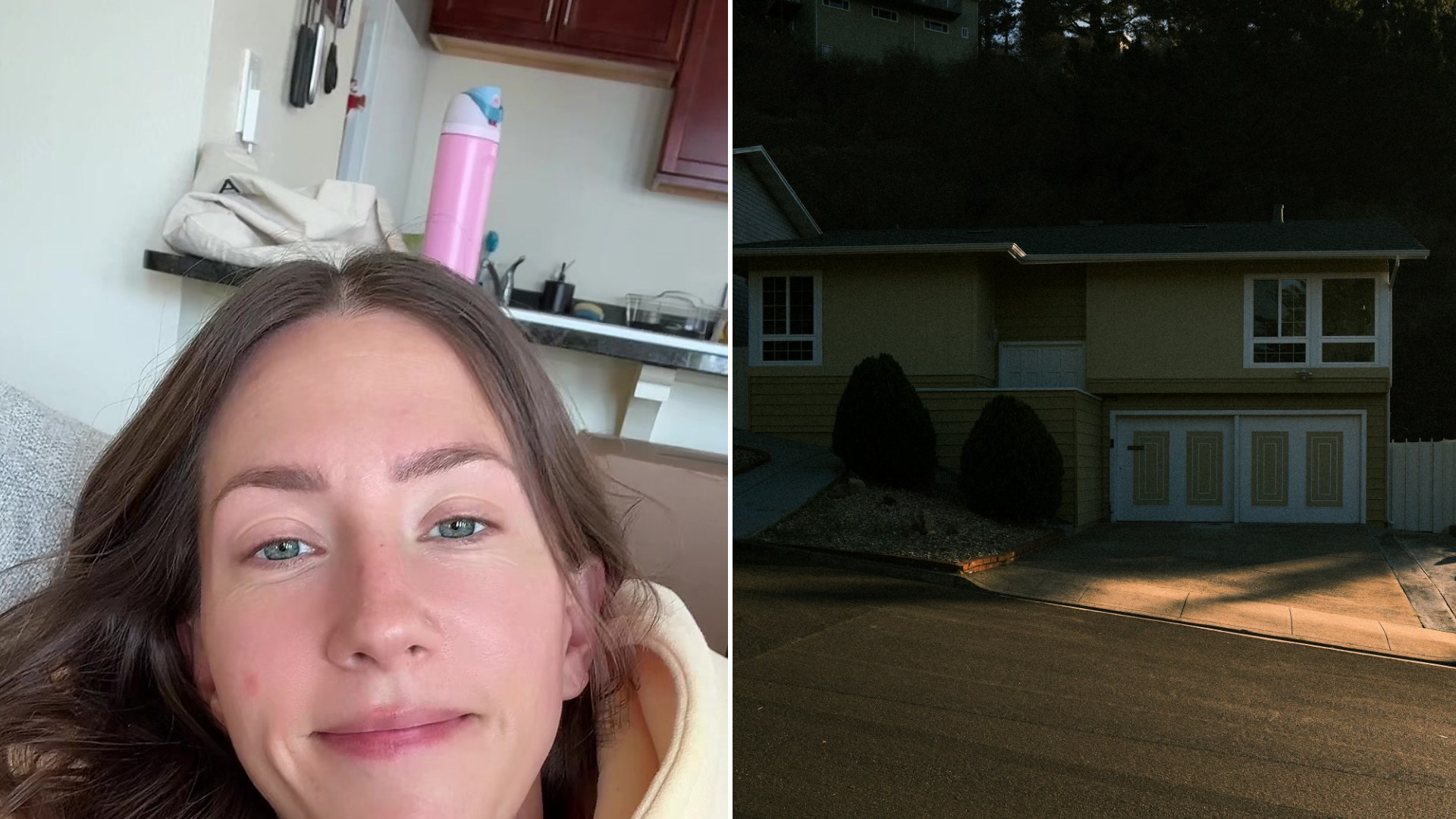
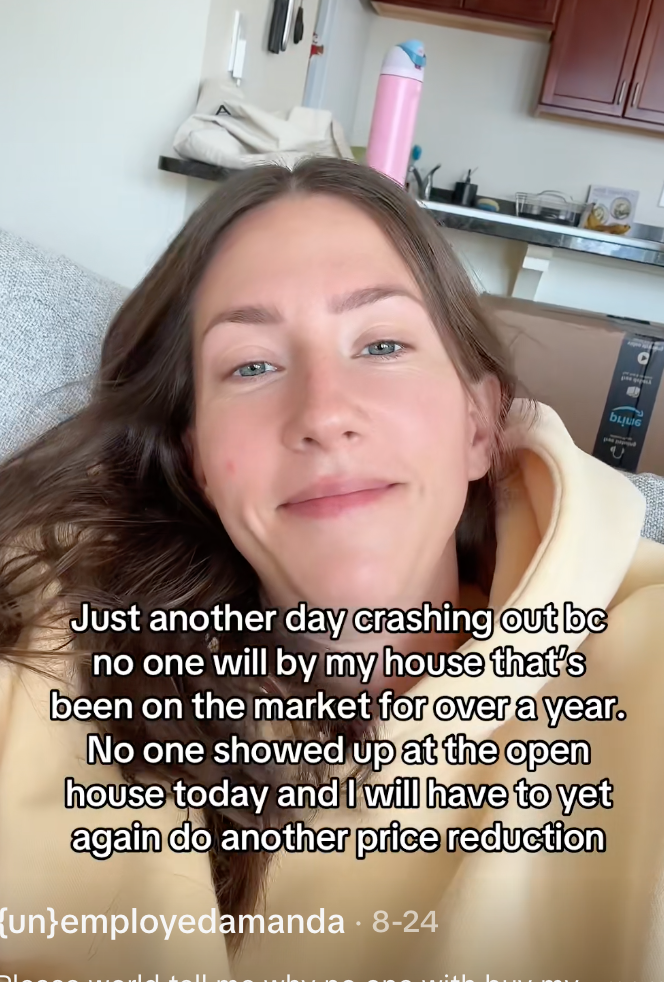
A Denver homeowner has taken her frustration with the local real estate market straight to TikTok, posting a video asking, in essence, why no one will buy her rental property. Her caption is direct: “Please world tell me why no one with buy my rental property in Denver,” tagged with hashtags pointing to real estate, Denver, housing, and the broader housing market. The video, according to her account, comes after the property sat listed for sale for more than a year without finding a buyer.
Her frustration is palpable, and it’s easy to see why. A year on the market is a long time for any homeowner to carry a property that isn’t selling, especially one being marketed specifically as a rental — a category of buyer that tends to be more sensitive to financing costs, projected returns, and local market conditions than an owner-occupant might be. In the video, she vents about the situation directly to the camera, expressing disappointment and disbelief that a property she clearly expected to move has instead lingered, unsold, for well over the timeline she likely anticipated.
Denver’s housing market has been the subject of plenty of national conversation in recent years, having gone through a dramatic run-up in prices followed by a period of cooling and adjustment. Rental and investment properties in particular can be especially exposed to shifts in interest rates, since the buyers most likely to purchase them — other investors — are often financing their purchases and calculating returns against current mortgage costs. When rates rise or rental yields tighten, the pool of buyers willing to pay a seller’s asking price can shrink considerably, even in markets that remain desirable in other respects.
The homeowner’s video captures a moment that a lot of sellers across the country have quietly experienced without necessarily broadcasting it: the gap between expectation and reality when a property doesn’t sell as quickly as hoped. Posting about it publicly, and asking her audience directly for insight, turns a private frustration into something closer to a crowdsourced diagnosis — an invitation for viewers, some of whom may have real estate expertise, to weigh in on what might be keeping buyers away.
That kind of public venting has become increasingly common as more homeowners and small investors use social media to process the ups and downs of property ownership in real time, rather than working through it privately with an agent. It also reflects how personal the process of selling real estate can feel, even when a listing is, at its core, a matter of numbers — price, comparable sales, financing conditions. For an owner who has spent over a year watching a property sit, the frustration in the video reads less like a complaint about the market in the abstract and more like the accumulated weight of month after month of showings, price conversations, and unanswered questions about why it hasn’t sold.
Whatever the specific reasons behind this listing’s slow pace, the video is a reminder that even in a major metro area like Denver, the real estate market isn’t uniform — some properties and price points move quickly, while others, for reasons that can range from pricing to condition to simple timing, sit far longer than their owners expect.
When a Rental Property Won’t Sell
A property that lingers on the market for a year or more is usually telling sellers something, even if it’s not immediately obvious what. Getting a fresh comparative market analysis from a local agent — rather than relying on the original listing price — can reveal whether the asking price has drifted out of step with what buyers are actually paying nearby. It’s also worth examining the property through an investor’s eyes: rental yield, projected cash flow, and financing costs matter far more to that buyer pool than curb appeal alone. Sometimes a stale listing simply needs a reset — new photos, a price adjustment, or a pause and relist — to catch fresh attention. And for sellers considering a rental property specifically, understanding current investor financing conditions in that market can clarify whether the slowdown is about the property itself or about broader headwinds facing that class of buyer.
Leave a Reply