Every era of home design produces a few features that felt like obvious upgrades at the time, the kind of thing a listing would highlight in bold, that later turn into a mild liability the moment a house hits the market. Buyer tastes shift for practical reasons as much as aesthetic ones: more people working from home, smaller households, a general move toward low-maintenance living all change what actually gets someone excited to make an offer.
None of these features are dealbreakers on their own, and plenty of buyers genuinely don’t mind them. But agents and sellers increasingly report that these are the details prompting a second look, a lower offer, or a request to factor removal costs into negotiations. Here’s what’s fallen out of favor.
Formal, Walled-Off Dining Rooms
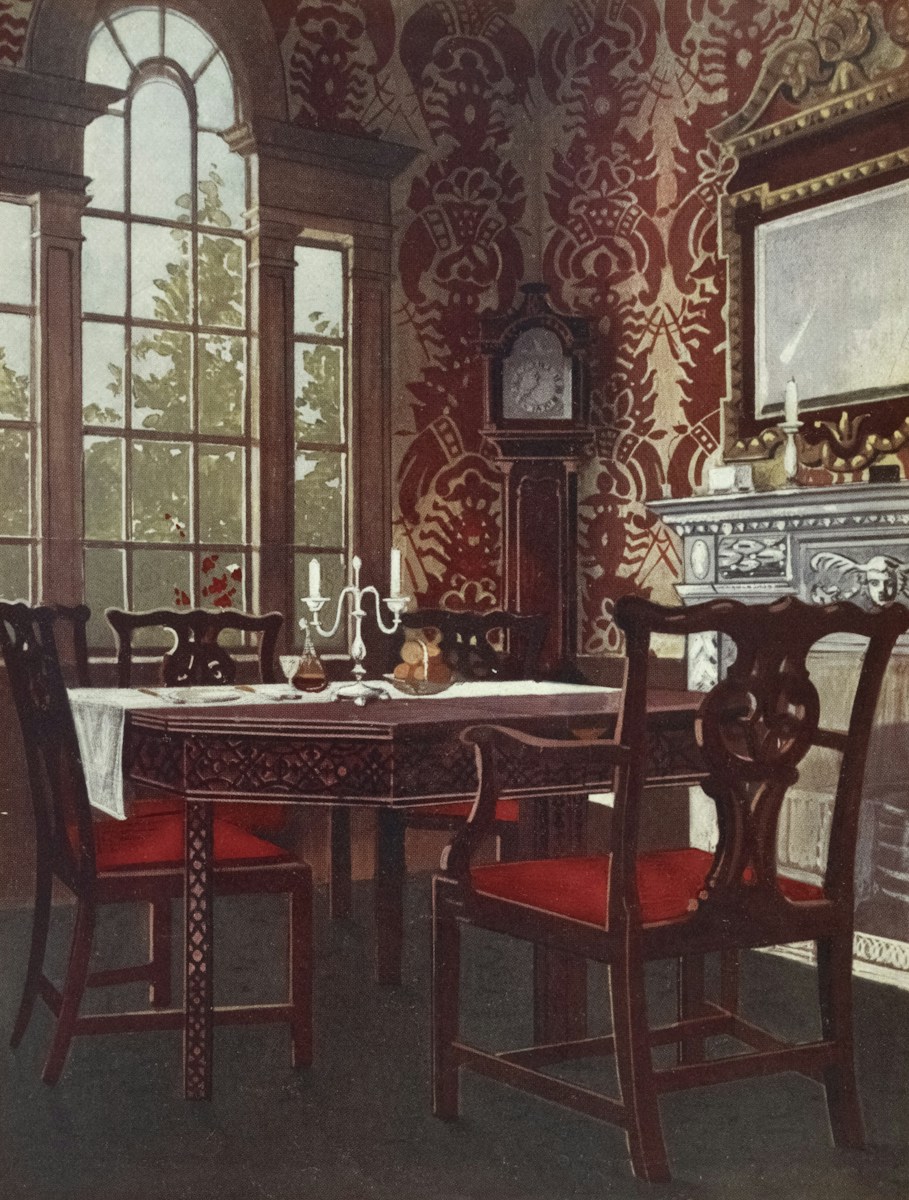
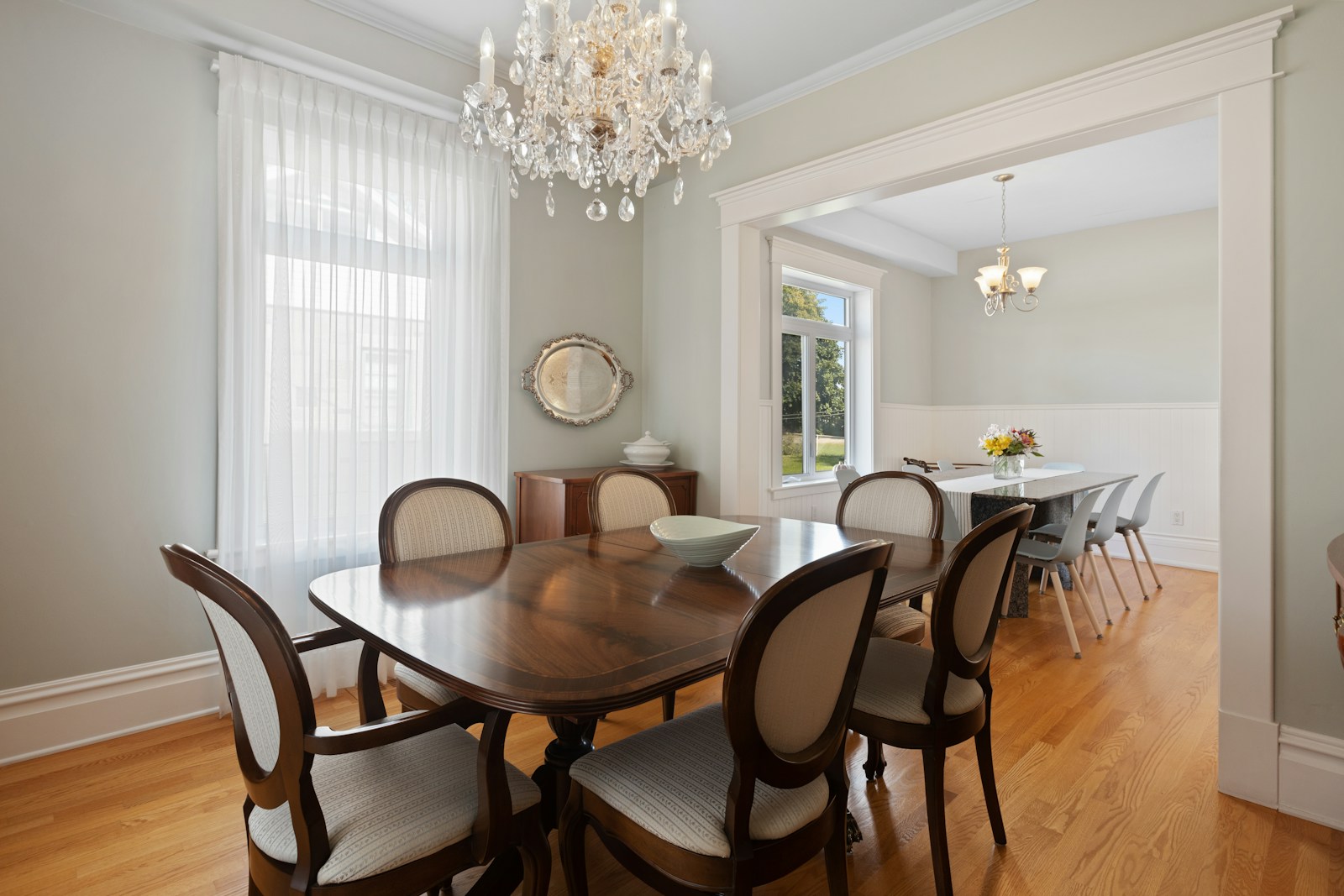
A dedicated formal dining room used to be a near-universal expectation in a family home, but as everyday life has shifted toward more casual, flexible eating and gathering habits, a room that’s used a handful of times a year is increasingly seen by buyers as wasted square footage rather than a selling point. Many buyers now say they’d rather see that space converted into a home office, a playroom, or simply opened up to expand the kitchen and living area. A formal dining room isn’t a dealbreaker, but it’s increasingly a room buyers mentally plan to repurpose rather than one that draws them in as-is.
Sunken Living Rooms
A sunken living room, once a distinctive architectural statement meant to define a cozy conversation area, now tends to register with buyers primarily as a tripping hazard and an accessibility problem. The step down interrupts open sightlines that buyers currently favor, and it complicates furniture arrangement, wheelchair or walker access, and even something as simple as carrying a stack of moving boxes through the house. Some buyers find the look charming and retro in a good way, but a growing number see it as a feature they’d have to spend money leveling out before the room works for daily life.
Elaborate, Multi-Level Backyard Water Features
Large custom ponds, waterfalls, and multi-tiered fountains were once a dramatic way to signal a high-end backyard, but buyers increasingly view them as a maintenance obligation rather than an amenity, complete with pumps, filtration, algae control, and the ongoing cost of keeping the whole system running. Unlike a pool, which at least offers clear recreational value, an elaborate water feature is largely decorative, which makes the maintenance burden harder to justify for a buyer who didn’t ask for it in the first place. Many buyers now factor in the cost of removing or simplifying these features when making an offer.
Wall-to-Wall Carpet in Bedrooms and Living Areas
Carpet used to be the default flooring choice throughout most of a home, but buyer preference has shifted firmly toward hard flooring, hardwood, engineered wood, or luxury vinyl, in nearly every room except sometimes bedrooms. Carpet is now more often seen as something that will need to be replaced immediately after move-in, both for allergy and cleanliness reasons and simply because buyer taste has moved on. Sellers who’ve held onto original wall-to-wall carpet, especially in older or worn condition, increasingly hear about it directly in buyer feedback and offer negotiations.
Home Theater Rooms With Fixed, Purpose-Built Seating
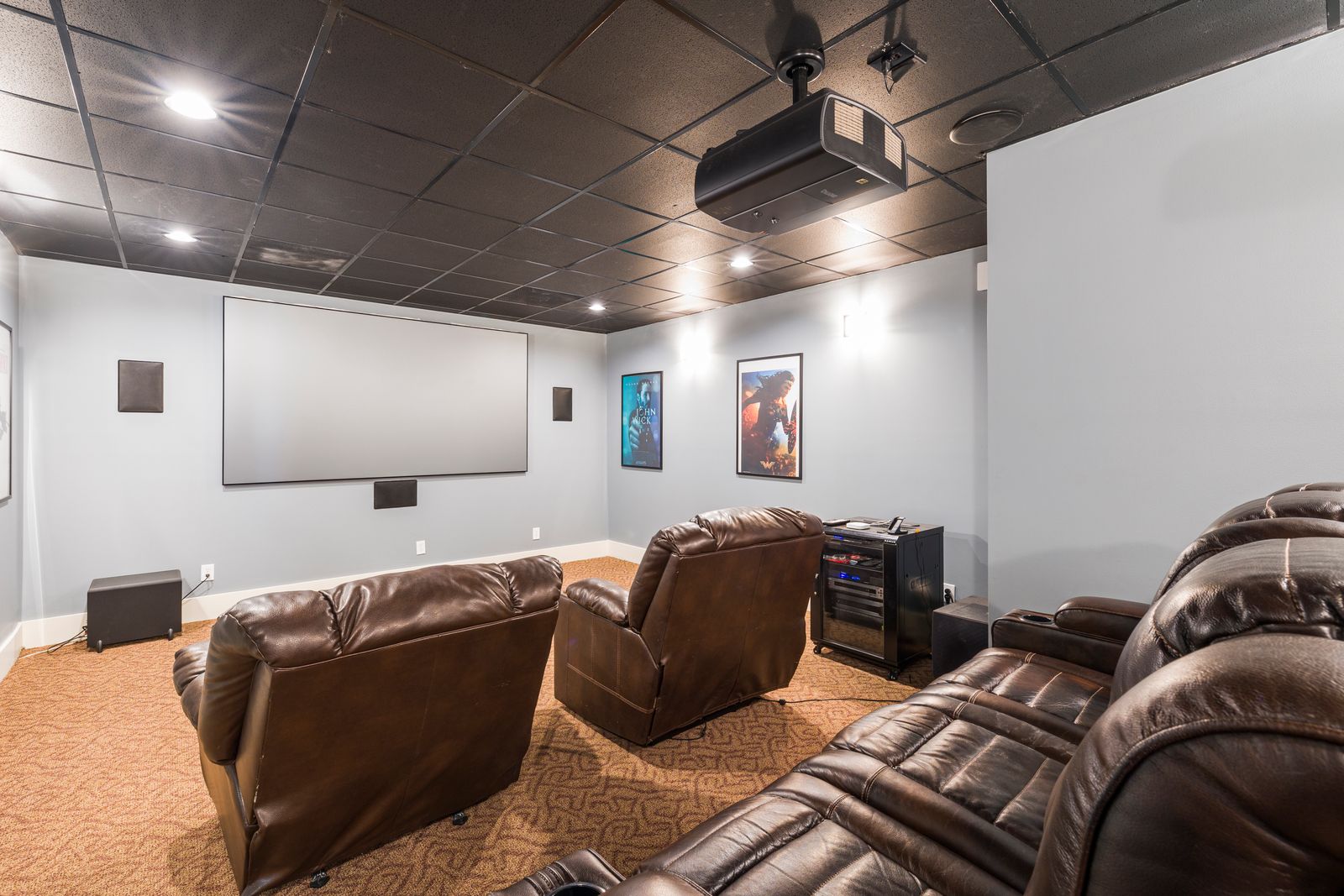
A dedicated home theater with tiered platforms, built-in projector mounts, and permanently installed reclining seats once read as a premium lifestyle feature, but buyers now often see it as an oddly single-purpose room that’s expensive to repurpose into anything more flexible, like a guest suite, gym, or home office. Streaming and increasingly capable television setups have also reduced how much a dedicated theater room stands out as a unique selling point. Buyers frequently ask what it would cost to convert the space, which tells sellers the room is being evaluated as a liability to undo rather than a bonus to inherit.
Elaborate Built-In Wet Bars
A dedicated wet bar with a sink, mini fridge, and glass shelving used to be a sought-after entertaining feature, but as home layouts trend toward more flexible, multipurpose spaces, a fixed bar setup can feel like it’s eating into square footage that could otherwise serve a family’s daily needs. Buyers with young children in particular sometimes view a bar area as dead space they’ll need to renovate rather than a perk. It’s not that entertaining spaces have fallen out of favor broadly, it’s that a rigid, single-purpose bar built into the architecture is less appealing than a more flexible layout that could become anything.
Statement Popcorn or Textured Ceilings
Textured ceiling finishes were standard for decades, largely because they were fast, cheap, and forgiving of minor imperfections, but they’ve become one of the more consistent turn-offs mentioned by today’s buyers, who associate the look strongly with an outdated, untouched interior. Beyond the aesthetic issue, ceilings installed before the early 1980s can contain asbestos, adding a layer of caution and potential removal cost that buyers increasingly factor into their evaluation of a home. Sellers who’ve had textured ceilings professionally smoothed before listing often report it as one of the more noticeable, if unglamorous, improvements buyers comment on.
Leave a Reply