A backyard project usually starts with a clear vision: summer parties, kids playing outside instead of on screens, a private retreat after a long day. What actually happens a year or two later is sometimes a different story, once the upkeep, the cost, or the reality of daily use sets in. Some backyard additions genuinely deliver for years, while others quietly become the thing homeowners wish they’d thought through more before signing a contract or making a big purchase.
None of these are universally bad choices, plenty of people love every item on this list. But they show up again and again in homeowner regret conversations for reasons worth knowing ahead of time. Here are nine common backyard additions people often wish they’d skipped, or at least approached differently.
An Inground Swimming Pool
A pool tops nearly every backyard wish list, and for households that use it constantly, it can be worth every bit of the investment. But the ongoing cost catches a lot of owners off guard: cost data compiled by Angi shows that regular maintenance, chemicals, and seasonal opening and closing add up to a real annual expense on top of the upfront installation. Pools also narrow the pool of future buyers, since not everyone wants the liability, upkeep, or insurance considerations that come with one, and in some climates the swimming season is shorter than the year-round maintenance the pool demands. It’s a feature best chosen because your household will genuinely use it several months a year, not because it looked appealing during one hot summer.
A Large Trampoline
Trampolines are a guaranteed hit with kids for the first year, but they take up a huge, permanent footprint of yard space that’s hard to use for anything else while it’s there. Many homeowners insurance policies flag trampolines specifically, sometimes requiring a rider or exclusion because of injury liability, and depending on local rules, some homeowners associations restrict or ban them outright. Once kids age out of jumping, which tends to happen faster than parents expect, the trampoline becomes an awkward, rusting fixture that’s genuinely difficult to disassemble and haul away. A smaller in-ground trampoline or a rotation of simpler outdoor toys often delivers similar fun without the long-term footprint and liability questions.

A Hot Tub Used Twice a Season
A hot tub sounds like the ultimate backyard luxury, and for the right household, it becomes a nightly ritual. For many others, the novelty fades within the first year, leaving an expensive fixture that still needs regular chemical balancing, filter cleaning, and a steady electric bill to keep the water heated even when it’s sitting unused. Covers wear out, pumps need repairs, and draining and refilling it periodically is more involved than most first-time owners expect. Before buying, it’s worth being honest about whether the appeal is the idea of a hot tub or genuinely committing to using one multiple times a week, since the ongoing cost doesn’t pause just because usage does.
A Fire Pit Placed Too Close to the House or Fence
A fire pit is one of the more affordable, high-payoff backyard additions, but placement matters more than most people realize when they’re picking a spot. Positioning one too close to a fence, overhanging tree branches, or the house itself creates a real fire hazard and can violate local fire codes or insurance requirements depending on where you live. Smoke drifting directly toward the house or a neighbor’s yard is also one of the more common sources of neighbor friction once the pit gets regular use. A location with clearance on all sides, checked against local setback rules before installation, avoids having to relocate an already-built feature later.
A Permanent Chain-Link Dog Run
A dedicated dog run solves a real problem for pet owners, but a large chain-link enclosure is one of the least flattering structures you can add to a yard, and it’s genuinely difficult and often costly to remove once it’s concreted or posted into the ground. It also tends to concentrate wear, waste, and bare dirt in one visible section of the yard that’s hard to landscape around later. Homeowners planning to sell within a handful of years often find the dog run is one of the first things a real estate agent recommends removing before listing. A more removable option, like a portable exercise pen, offers similar function without leaving a permanent scar on the landscaping.
An Elaborate Custom Playset
A large wooden swing set with a fort, slide, and climbing wall feels like a worthwhile investment when kids are small, but children tend to outgrow playsets faster than parents anticipate, often within just a handful of years. What’s left behind is a massive structure that’s expensive and labor-intensive to disassemble, and untreated wood versions require ongoing staining or sealing to avoid rot. Resale can also be tricky, since moving a large playset to a new buyer isn’t simple and many home shoppers view an aging one as a removal project rather than a bonus. A smaller, modular playset that can be resold or repurposed tends to age far more gracefully with a family’s changing needs.
A Koi Pond or Elaborate Water Feature
A backyard pond with koi fish and a small waterfall can be a genuinely beautiful, calming feature, but it comes with a maintenance workload many homeowners underestimate going in. Algae control, pump upkeep, seasonal netting to keep leaves out, and protecting fish through winter in colder climates all require consistent attention, and neglect shows up fast in cloudy water and dying plants. Standing water can also become a mosquito breeding ground if it isn’t properly circulated and treated. For homeowners who love the hands-on hobby aspect, it’s rewarding, but for those who wanted a low-effort focal point, a pondless water feature with just a bubbling rock often scratches the same itch with a fraction of the upkeep.

A Storage Shed Built Without Checking Permit Rules
Adding a shed feels like a simple weekend project, but depending on its size and your municipality, it may require a building permit, a setback from the property line, or approval if a homeowners association governs the neighborhood. Skipping that step can lead to a stop-work order, a fine, or a requirement to move or remove the structure entirely, an expensive and frustrating outcome for something meant to solve a small storage problem. It can also complicate a future home sale if an unpermitted structure shows up during an inspection or appraisal. A quick call to the local building department before pouring a foundation or setting a shed in place avoids what can become a genuinely costly correction later.
Full-Yard Artificial Turf
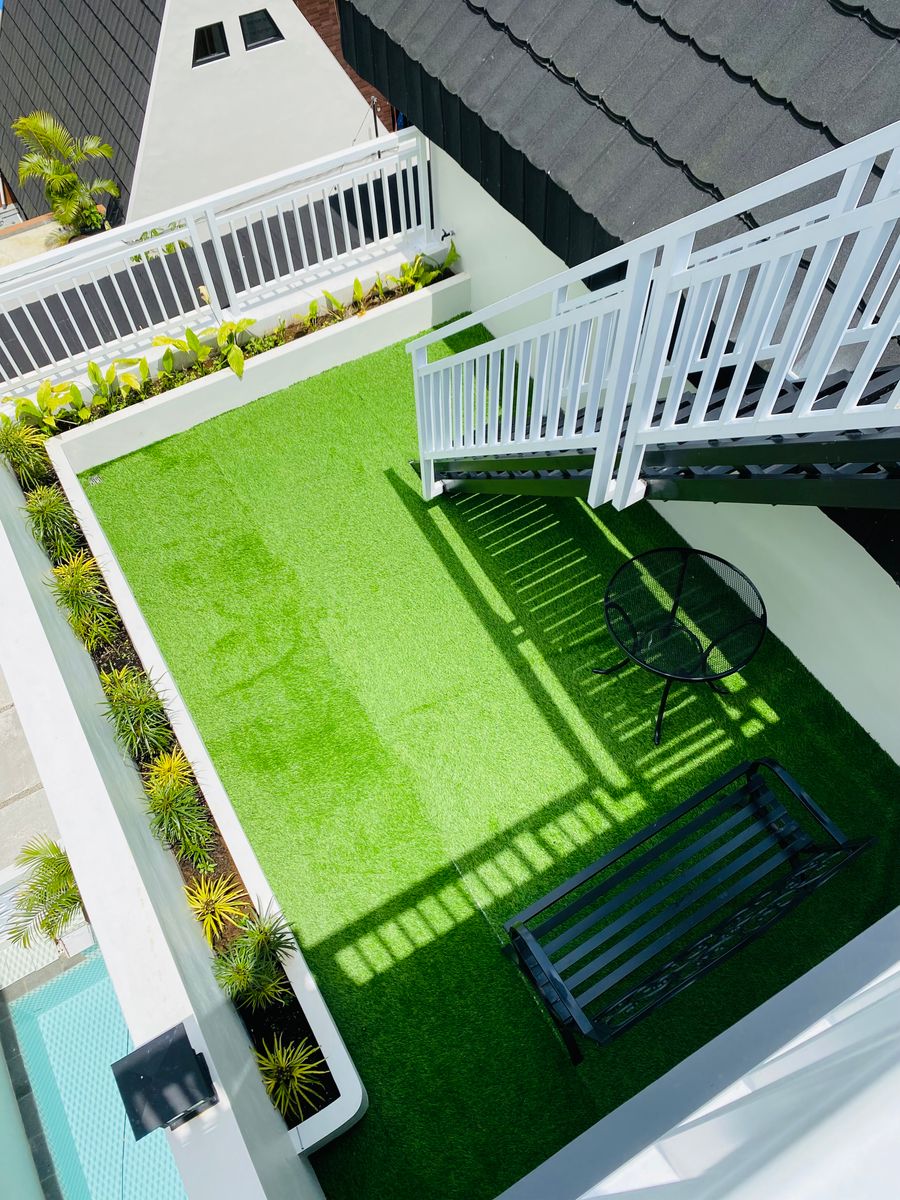
Synthetic turf promises a permanently green, low-maintenance lawn, and for small side yards or dog runs, it can genuinely deliver on that promise. Covering an entire large backyard in turf, though, comes with tradeoffs that surprise a lot of homeowners: it retains heat noticeably more than natural grass in direct summer sun, sometimes becoming uncomfortably hot to walk on barefoot, and drainage issues can develop if it isn’t installed with the right base and grading. It also eliminates the option of gardening beds or natural landscaping changes without tearing it back up. For households in hot climates or those who like to change up their landscaping over time, a mix of turf in high-traffic areas and real plantings elsewhere tends to hold up better than an all-or-nothing approach.
Leave a Reply