
Closing day feels like the finish line, but for a surprising number of buyers, it’s actually the starting point of a slow-dawning realization that something they overlooked during the process is now their problem to deal with. Some of these red flags are buried in paperwork nobody reads closely enough; others are hiding in plain sight, disguised as quirks of the neighborhood or minor inconveniences that turn out to be much bigger deals once you’re the one living with them.
Talking to buyers a year or two into homeownership reveals a pattern: the same handful of things keep coming up as “I wish someone had told me” or “I wish I’d asked more questions about that.” Here’s what experienced buyers say is worth digging into before you sign anything.
Fresh Paint in One Oddly Specific Spot
A single freshly painted wall or ceiling patch in an otherwise unrenovated home can be a sign of a cosmetic fix over a deeper problem, whether that’s a water stain, mold, or a repaired crack. It’s not automatically suspicious, but it’s worth asking directly why that particular spot was painted and when, especially if the rest of the home hasn’t been recently touched up. Buyers who skip this question sometimes discover months later that the fresh paint was covering the same leak that’s now reappeared, this time without the benefit of asking the seller about it while there was still time to negotiate repairs or a price adjustment.
Neighbors’ Property Conditions and Behavior
A single showing rarely reveals what the neighbors are actually like, but a quick look at neighboring yards, driveways, and general upkeep can be telling. A neighborhood with several visibly neglected properties, junk vehicles, or ongoing disputes evident from the street can be a preview of ongoing frustrations, from noise to property value concerns. Buyers who move in without ever meeting or observing their future neighbors sometimes find themselves surprised by conflicts that a short conversation or two, or simply driving through the neighborhood at different times of day, might have flagged in advance.
Easements Affecting the Property
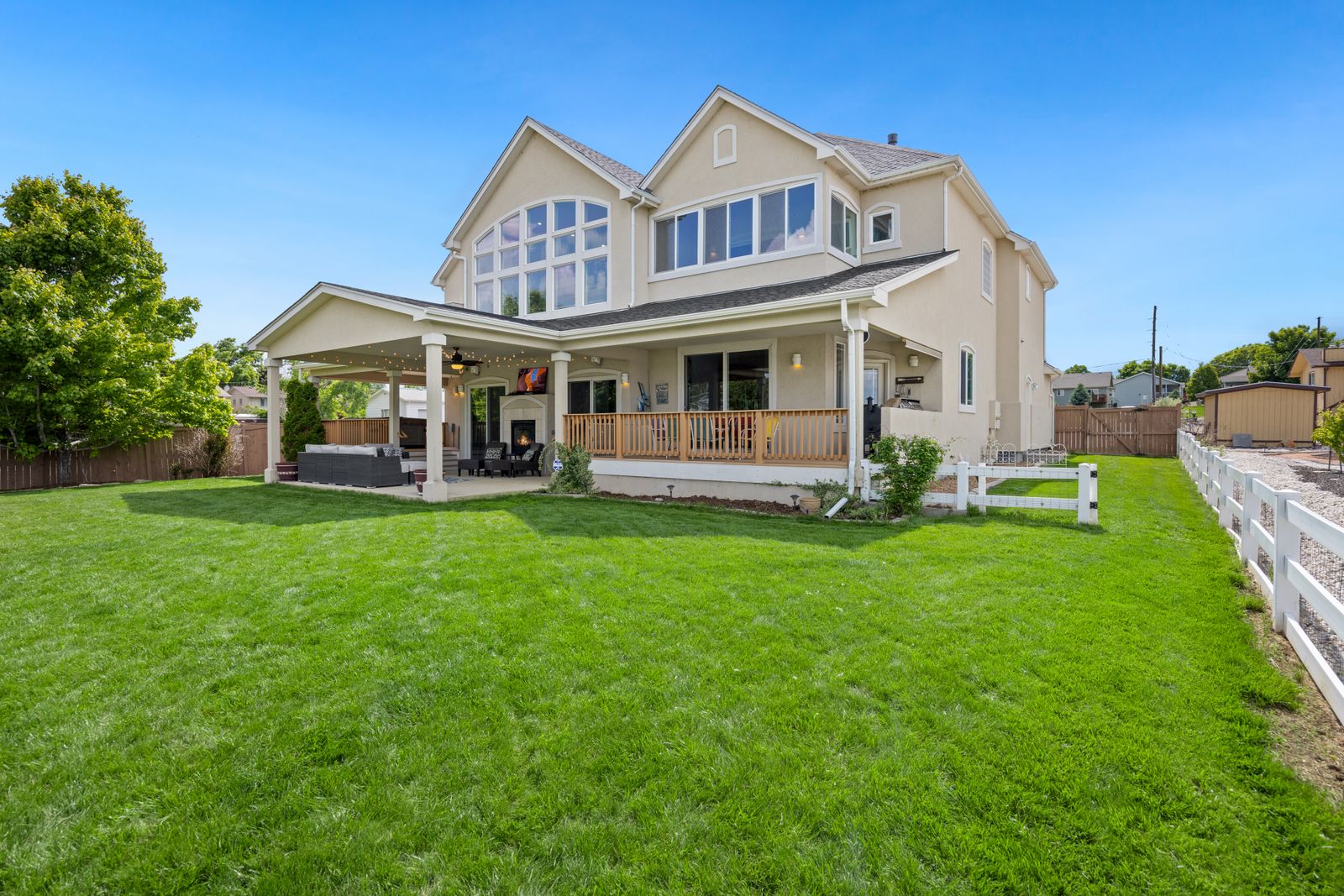
An easement grants someone else the legal right to use part of your property for a specific purpose, whether that’s a utility company accessing a line, a shared driveway, or a neighbor’s right of way across your backyard. These are recorded in property records but easy to miss without specifically asking a title company or real estate attorney to explain any that exist on a given property. Buyers who don’t ask sometimes discover after closing that a utility company can dig up part of their yard whenever needed, or that a neighbor has a legal right to cross their land, restrictions that can affect everything from landscaping plans to where a fence can be built.
HOA Rules, Fees, and Financial Health
A large and growing share of U.S. homes now fall under a homeowners association, and the rules and finances of that association can meaningfully affect daily life and future costs. Beyond just the monthly fee, buyers should ask about the HOA’s reserve fund health, any planned special assessments, and specific rules around things like parking, exterior paint colors, fences, or short-term rentals. An HOA with a poorly funded reserve can hit homeowners with a large surprise assessment for a major repair, like a roof or a shared amenity, and rules that seemed minor during the sale can become a real source of friction once you’re living under them day to day.
Flood Zone Designation
A home doesn’t need to be right on a coastline or a major river to fall within a flood zone that affects insurance requirements and costs. Flood zone status is generally available through public flood maps, but buyers don’t always check it independently, relying instead on whatever the seller or agent mentions. Depending on the zone and whether the property is in an area with a federally backed mortgage, flood insurance may be required, and even where it’s not required, it may still be a wise purchase given local flood history. Buyers who skip this check sometimes learn about a flood zone designation only when their mortgage lender requires insurance they hadn’t budgeted for.
The Quality of Past DIY Electrical or Plumbing Work
A previous owner’s DIY improvements can range from perfectly fine to genuinely dangerous, and it’s not always obvious which is which just from looking. Exposed wiring, mismatched outlets, or plumbing connections that look improvised are worth pointing out to an inspector specifically, since general home inspections don’t always catch every issue behind walls. Buyers who don’t ask about the history of any renovations, or who don’t confirm whether permits were pulled for electrical and plumbing work, sometimes discover problems only when something fails or when they try to sell the home themselves later and a new buyer’s inspector flags the same issues.

Shared Driveways or Access Agreements
Some homes, particularly older ones or those on narrow lots, share a driveway or access road with a neighboring property under a legal agreement. These arrangements can work fine for years, but they can also become a source of ongoing tension over maintenance responsibilities, parking, and access, especially if the agreement is informal or unclear. Buyers who don’t review the specific terms of a shared driveway agreement before closing sometimes find themselves in disputes over who pays for repaving or who has priority access, disputes that could have been anticipated by simply reading the recorded agreement beforehand.
School District Boundary Lines
Two homes just a few blocks apart can fall into entirely different school district zones, and boundary lines occasionally shift over time. Buyers who choose a home partly based on its school district should verify current boundaries directly with the district rather than relying solely on a real estate listing, since listing sites don’t always reflect the most current zoning. This matters even for buyers without school-age children, since school district assignment can affect resale value down the road.
Unpermitted Additions or Renovations
A finished basement, an added bedroom, or a converted garage can add valuable square footage, but if the work was done without proper permits, it can create real complications. Unpermitted construction discovered after a purchase can mean the new owner is on the hook for bringing the work up to code, obtaining retroactive permits, or in some cases removing the unpermitted work entirely. It can also affect insurance coverage and the accuracy of the home’s official square footage. Buyers should ask directly whether any additions or major renovations were permitted and, when in doubt, verify with the local building department before closing rather than after.
Leave a Reply