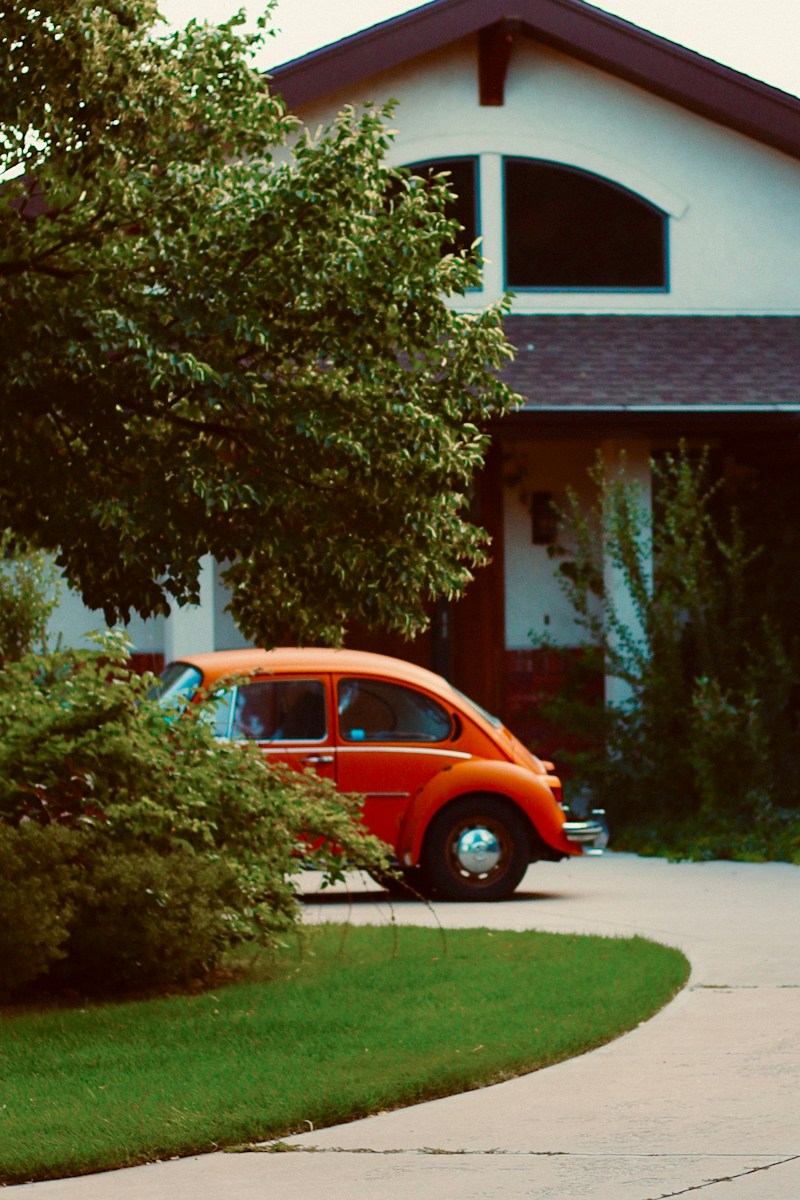
Curb appeal sells houses, and a picture-perfect street with mature trees, tidy lawns, and a friendly wave from every porch can feel like the dream. But a street’s charm at an open house doesn’t always predict what it’s like to actually live there on a random Tuesday night, or a Saturday at 7 a.m., or during the three weeks a neighbor decides to renovate their entire roofline.
Some of the least pleasant living situations happen on streets that look flawless in every listing photo. The problems tend to be things you can’t see on a drive-by showing, and they only reveal themselves after the moving truck has already left. Here’s what quietly undermines an otherwise beautiful block.
A Through-Street That Looks Quiet but Isn’t
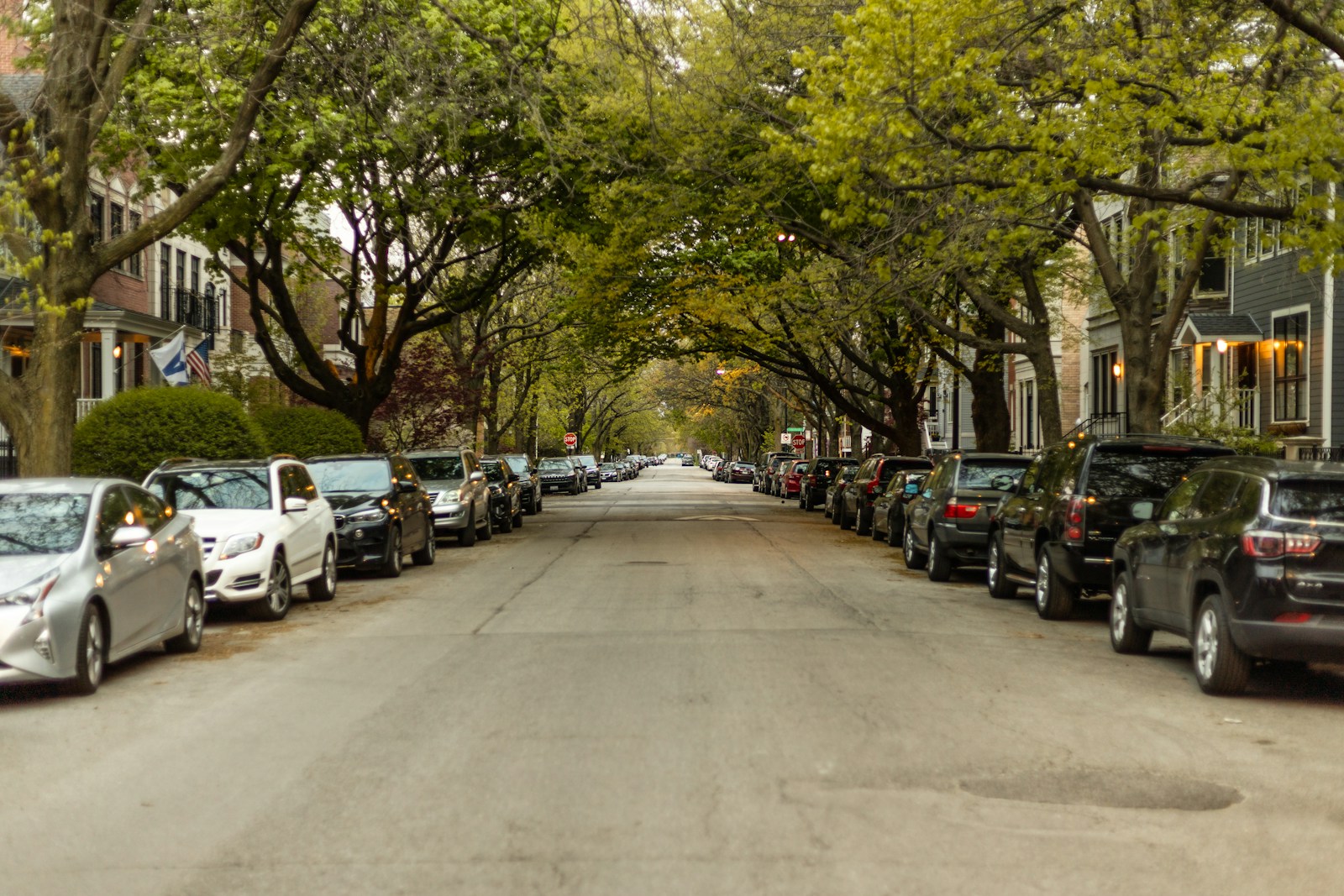
Some streets function as an informal shortcut between two busier roads, meaning a block that looks residential and calm during a daytime showing turns into a steady stream of commuter traffic during rush hour. This kind of cut-through traffic is easy to miss unless you visit a potential home at multiple times of day, including early morning and early evening. A street’s posted speed limit also doesn’t guarantee actual driving behavior, especially on a road drivers treat as a way to avoid a stoplight.
A Popular Nearby Amenity That Brings Constant Visitor Traffic
Living near a well-loved park, school, or popular restaurant sounds like a selling point, and often is, but it can also mean a steady flow of parked cars, pedestrian noise, and unfamiliar visitors on what would otherwise be a quiet residential street. Weekend farmers markets, youth sports leagues, and event parking overflow are common culprits that don’t show up during a quick walkthrough. It’s worth checking what a nearby amenity’s peak hours actually look like before assuming proximity is purely a benefit.
An HOA or Informal Neighborhood Culture of Constant Scrutiny
The tidiest streets sometimes maintain that polish through intense social or HOA pressure, meaning every lawn, paint choice, and holiday decoration is subject to unofficial judgment even without formal rules. This can make an outwardly picturesque street feel surprisingly stressful to actually live on, especially for anyone who prefers a more relaxed approach to home maintenance. Talking to a few current residents candidly, rather than relying on appearances alone, can reveal whether a neighborhood’s tidiness comes from genuine pride or from pressure.
One Dominant, Difficult Neighbor
A single overly involved, confrontational, or nosy neighbor can meaningfully affect quality of life on an otherwise pleasant street, especially in tight-knit blocks where everyone’s yards and driveways are in close view of each other. This kind of dynamic rarely shows up during a showing, since sellers and agents have little reason to mention it. Some buyers find it worthwhile to knock on a few doors before making an offer, simply to get a read on the neighborhood’s actual social dynamics.
Seasonal Issues That Don’t Show Up During a Spring Showing
A street that looks flawless during a spring open house can transform in other seasons, flooding during heavy rain if drainage is poor, becoming an ice hazard on a shaded slope in winter, or losing its charming tree canopy entirely once leaves drop and reveal power lines or a neighbor’s less flattering rooftop. Buyers who only ever see a home in ideal weather sometimes miss these seasonal realities entirely. Asking current residents what the street is like in the worst weather of the year is a simple way to fill in that gap.
Flight Paths or Train Lines That Aren’t Obvious on a Map
A street can look perfectly quiet on paper while sitting under a flight path or near a rail line whose noise only becomes obvious once you’re actually standing outside at the right time of day. Real estate listings rarely disclose this proactively, and even a daytime visit might miss the specific flights or freight schedules that create the most noise. Checking flight path maps and visiting at different times, including evenings, is one of the more overlooked steps in evaluating a street’s true noise profile.
A Slow-Building Reputation Problem the Current Residents Already Know About
Sometimes a street has a quiet, ongoing issue, a recurring pest problem, a persistent smell from a nearby facility, an unusually high number of break-ins, that current residents are well aware of but that never surfaces in a listing or a quick visit. This kind of reputational knowledge circulates locally long before it shows up in official records or reviews. A few candid conversations with people who actually live nearby, not just the agent showing the home, is often the only way to uncover it before signing anything.
Leave a Reply