There’s a particular kind of buyer’s remorse that doesn’t show up during the excitement of closing but arrives instead in the first few weeks of actually living somewhere — usually while unpacking a box in a room that turns out to be smaller than it felt during the showing, or opening the first utility bill in a new, bigger house. These regrets rarely involve the big, dramatic deal-breakers; they’re the smaller, everyday frictions that only become obvious once the moving trucks are gone and real life sets in.
Talking to recent movers reveals a fairly consistent list of things that catch new homeowners off guard almost immediately. Here’s what tends to surface first, and why it’s worth thinking through before you sign, not after.
Not Budgeting for Immediate, Unexpected Repairs
Even homes that pass inspection with flying colors tend to reveal small surprises in the first few months — a garbage disposal that suddenly stops working, a sprinkler zone that wasn’t tested during a fall closing, or a window that won’t fully seal. Buyers who spent every available dollar on the down payment and closing costs often find themselves stretched thin covering these early surprises, which can add up faster than expected in a home’s first year. Financial advisors commonly recommend keeping a dedicated reserve fund specifically for the first year of homeownership, separate from a general emergency fund, precisely because new owners tend to discover a home’s quirks gradually rather than all at once during a single inspection.

Underestimating Utility Costs in a Bigger Home
Moving from a smaller home or apartment into more square footage often comes with a utility bill shock that many buyers don’t fully anticipate. More square footage to heat and cool, potentially older or less efficient systems, and simply more rooms with lights and outlets can push monthly costs up substantially compared to a previous residence. Buyers sometimes ask sellers for average utility costs before closing, but bills can vary significantly based on how the new owners actually use the space, so even that number can undersell the real adjustment. This is one of those regrets that doesn’t show up until the first full billing cycle, by which point the purchase decision is long finalized.
Discovering HOA Restrictions the Hard Way
Some buyers skim HOA documents during the closing process without fully absorbing the specific rules, only to run into them directly once they try to paint their front door a certain color, install a fence, or park an RV in the driveway. A large share of U.S. homes fall under a homeowners association, and rules vary widely from one community to the next, covering everything from exterior paint colors to holiday decoration timelines. New owners who didn’t read the governing documents closely before buying sometimes find themselves surprised by restrictions that feel minor individually but add up to a real loss of flexibility they hadn’t anticipated.
A Layout That Doesn’t Actually Fit Daily Life
A floor plan can look great on a walkthrough and still turn out to be impractical once real furniture, real routines, and real people are living in it day to day. A formal dining room that never gets used, a primary bedroom too far from a nursery, or a kitchen layout that creates constant traffic jams during meal prep are the kinds of issues that only become obvious with repeated daily use rather than a single showing. Buyers touring a home with an agent, focused on square footage and finishes, don’t always simulate their actual routines within the space, and it’s a mismatch that’s expensive and disruptive to fix after the fact compared to noticing it beforehand.
Noisier Neighbors or Closer Proximity Than Expected
A showing typically happens during a quiet window, and it doesn’t always reveal what neighbors are actually like on a normal weeknight or weekend. New owners sometimes discover shortly after moving in that a neighbor keeps unusual hours, has a barking dog, hosts frequent gatherings, or is simply more visible and present than expected given the property’s layout. Fences, hedges, and window placement can all affect how much daily privacy a home actually offers, details that are easy to underestimate during a single walkthrough but become part of everyday life immediately after moving in.

A Longer Commute Than It Seemed on Paper
A distance that looked reasonable on a map, or that was tested once during a weekend drive, can feel very different during actual weekday rush-hour traffic. New homeowners sometimes realize within the first couple of weeks that their real commute time is significantly longer than what they estimated during house hunting, adding up to meaningful lost time and added stress over the course of a year. Testing the actual commute at the actual time of day it will happen, more than once, before making an offer is a step many buyers skip in the excitement of house hunting, only to regret it once real life resumes.
The Maintenance Burden of a Larger Yard
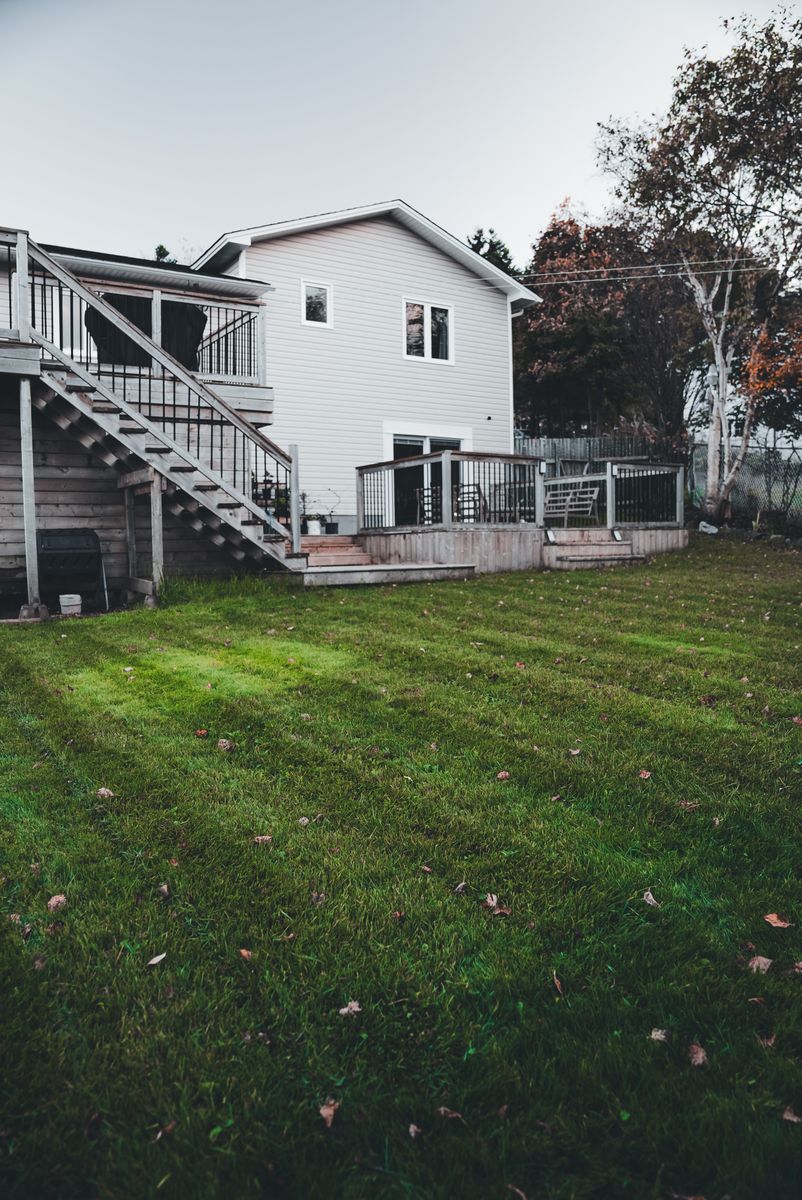
A spacious yard sounds appealing during a spring showing, but new owners, especially those moving from a smaller property or a condo, sometimes underestimate the ongoing time and cost of maintaining it. Mowing, edging, seasonal cleanup, tree maintenance, and irrigation all add up, both in hours spent and in money if hiring help. Buyers who pictured weekend barbecues sometimes find themselves instead pricing out lawn services or buying equipment they didn’t previously own, a maintenance reality that doesn’t fully register until that first full season of ownership arrives.
Not Enough Storage for Actual Belongings
Closets and storage space that seemed adequate during a walkthrough, when most rooms were staged with minimal furniture, can feel dramatically smaller once a household’s actual belongings are unpacked. Garages meant for cars end up filled with boxes that never found a home elsewhere, and new owners often realize within the first month that they need to either purge significantly or invest in additional storage solutions. This is a mismatch that’s hard to gauge accurately during a showing, since staged or lightly furnished homes rarely reflect how much storage a fully lived-in household actually requires.
Leave a Reply