Landscaping decisions are often made in a single weekend, standing in a nursery parking lot with a truck full of plants and a vision of what the yard could look like by summer. What doesn’t always get factored in is the years of upkeep that follow that one afternoon of planting or hardscaping. Some choices settle into a manageable seasonal rhythm, while others turn into a recurring chore that eats up entire weekends every year.
The tricky part is that a lot of these choices look completely reasonable, even smart, at the time. It’s usually not until a year or two of actually living with them that the maintenance burden becomes obvious. Here are six landscaping decisions that tend to snowball into more work than homeowners bargained for.
A Full Lawn on a Steep Slope
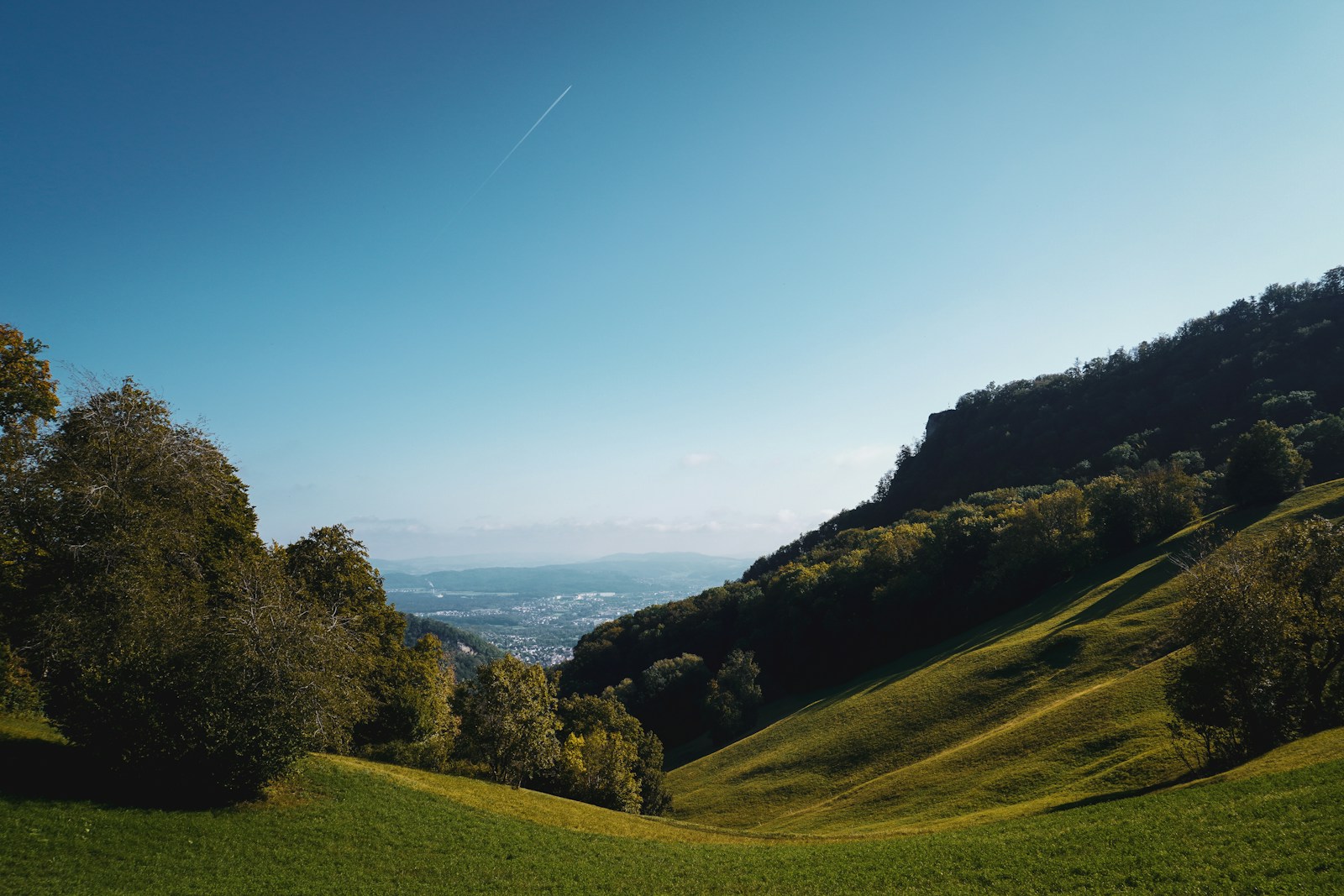
A grassy hillside can look lovely from the street, but mowing it is another matter entirely. Steep slopes are genuinely difficult and, on the steeper end, outright dangerous to mow with a standard push or riding mower, often requiring a specialized trimmer job done entirely by hand or a professional crew willing to take it on. Slopes are also prone to erosion, washing out topsoil and grass seed every time it rains hard, which means frequent reseeding and soil replacement just to keep the area looking intact. Ground cover plants, terracing, or ornamental grasses suited to slopes tend to hold soil in place far better than turf grass ever will, with a fraction of the ongoing mowing headache.
Multiple Retaining Walls Without Real Drainage
Retaining walls solve real grading problems and can look great when done well, but a wall built without proper drainage behind it is setting up a slow-motion problem. Water that can’t escape builds up hydrostatic pressure against the wall, which over time causes bowing, cracking, or outright failure, sometimes years after installation when it’s least expected. Fixing a failed retaining wall typically means tearing it out and rebuilding it correctly with gravel backfill and drainage pipe, a far more expensive job than doing it right the first time. Anyone adding a retaining wall, especially more than one tiered together, should confirm with the contractor exactly how water will be managed behind each one before construction starts.
High-Maintenance Annual Flower Beds
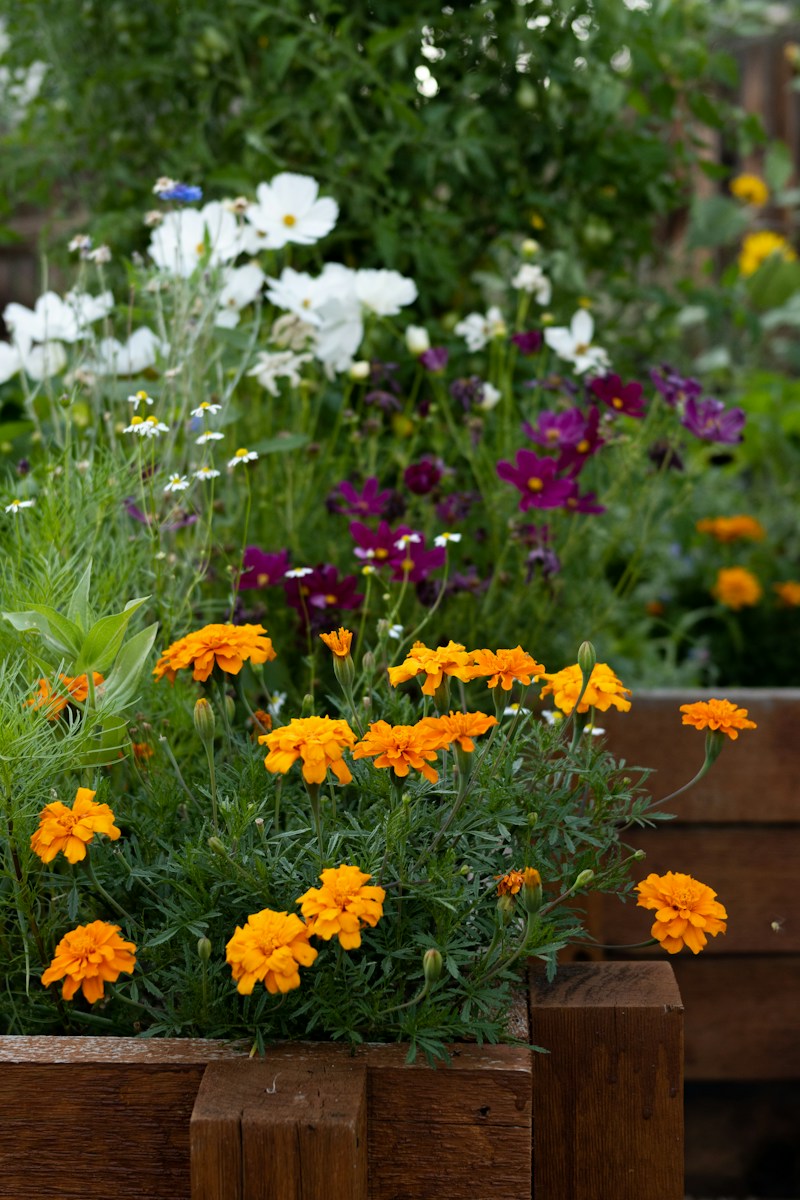
Beds packed with colorful annuals look spectacular for a season, but annuals by definition die off every year and need to be replanted from scratch each spring, along with constant deadheading and fertilizing to keep them blooming through summer. For a homeowner who enjoys the ritual of it, that’s part of the appeal, but for many others it becomes an expensive, recurring task that competes for time with everything else going on. Perennials, which return year after year with far less replanting, and native plants suited to the local climate typically need less water, less fertilizer, and less constant attention once established. A landscape built mostly around perennials with annuals used sparingly as accents tends to hold up much better against a busy schedule.
Decorative Gravel Beds Without a Weed Barrier
Rock or gravel beds are often chosen specifically to reduce maintenance compared to mulch or lawn, but skipping a proper landscape fabric or weed barrier underneath defeats much of that purpose. Weed seeds blow in and settle into the gaps between rocks, and once they root, pulling them out of a gravel bed is considerably more tedious than pulling them from soil, since the rocks have to be pushed aside by hand. Organic debris like leaves and dust also accumulates in gravel over time, creating a thin layer of soil that makes future weeds even easier to take hold in. A properly installed barrier fabric, checked periodically for gaps, is what actually delivers on the low-maintenance promise gravel beds are chosen for in the first place.
A Water-Hungry Lawn in a Dry Climate
A lush, green lawn is the default expectation in a lot of neighborhoods, but maintaining traditional turf grass in a naturally arid or drought-prone region means fighting the climate every single week with irrigation. Watering costs add up steadily over a season, and in areas with water restrictions or drought conditions, a thirsty lawn can become genuinely difficult to keep looking presentable at certain times of year. Homeowners in dry climates increasingly turn to drought-tolerant grass varieties, native groundcovers, or xeriscaping with gravel and drought-hardy plants, which cuts both the water bill and the weekly mowing and watering routine dramatically. It’s a bigger upfront landscaping change, but it removes an ongoing maintenance fight that a standard lawn in the wrong climate never really wins.
An Overly Intricate Bed Layout With Constant Edging
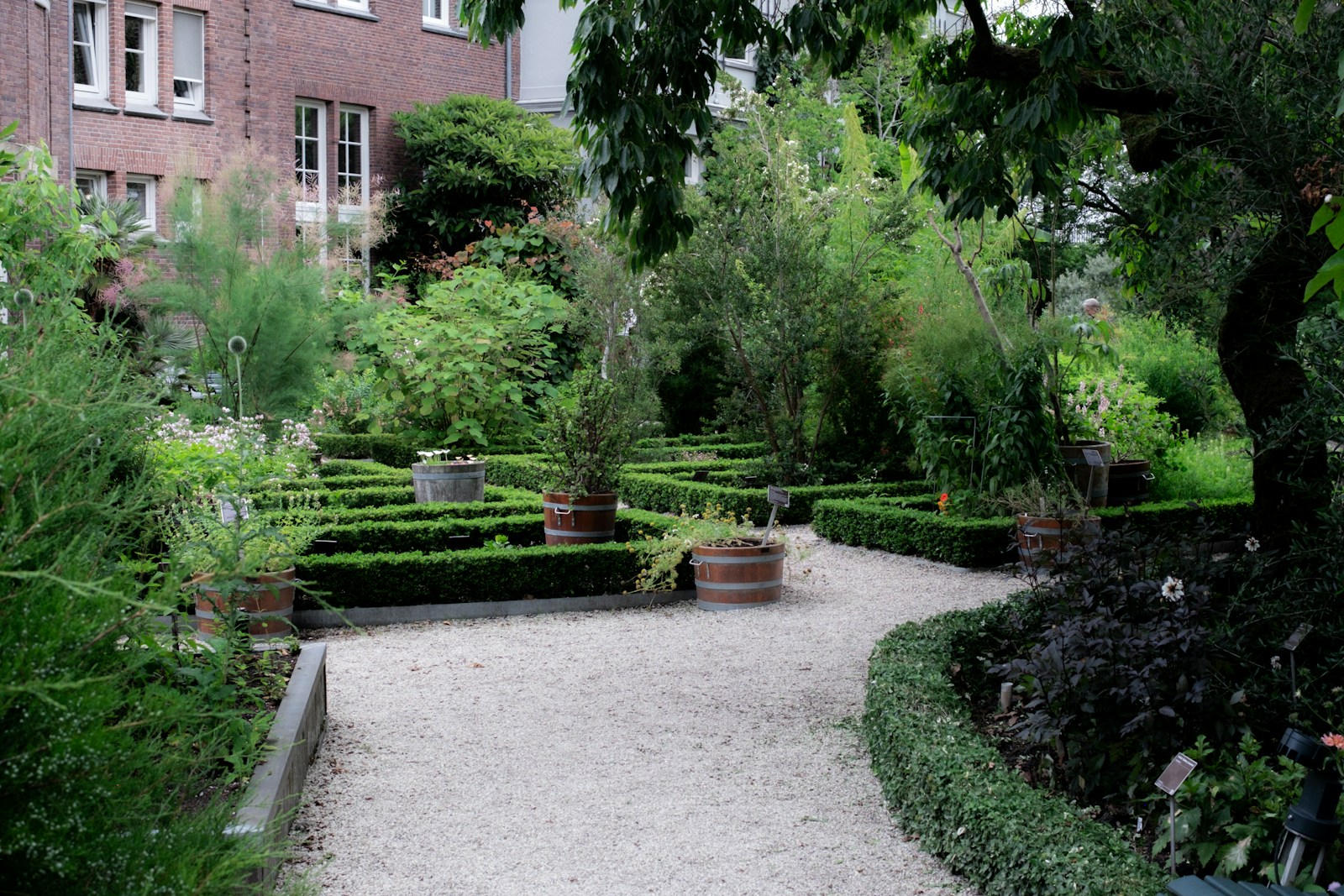
Curvy, elaborate flower bed shapes cut throughout a lawn can look striking in a landscape design rendering, but every additional curve and island bed is another edge that needs regular trimming to keep grass from creeping into the mulch, and vice versa. A yard with a dozen small, winding beds takes dramatically longer to maintain each week than one with a few larger, simply shaped beds along the perimeter. It also multiplies the amount of mulch needed annually, since more total edge length and surface area means more material to replenish each spring. Consolidating scattered small beds into fewer, larger ones with cleaner lines usually cuts weekly upkeep time significantly without sacrificing much visual interest.
Leave a Reply