
Buying a house means inheriting more than just the square footage and the school district. It also means inheriting every shortcut, deferred repair, and quiet workaround the previous owner lived with long enough to stop noticing, or simply decided wasn’t worth bringing up. Some of it surfaces in the first week. Some of it waits until the first hard freeze, the first heavy rain, or the first time you actually open that one closet.
Sellers are generally required to disclose known material defects, but disclosure laws vary significantly by state, and “known” is doing a lot of work in that sentence. Plenty of issues fall into a gray area between deliberate concealment and honest forgetfulness. Here’s what new owners most often discover the previous owner never quite got around to mentioning.
That One Room Is Always a Few Degrees Off From the Rest of the House
Every previous owner seems to develop an unconscious workaround for the one room that never quite heats or cools evenly, a space heater tucked in a closet, a habit of just keeping that door shut, and once they move out, the new owners discover the quirk with no context for why it’s happening or how long it’s been that way. It usually points to a ductwork, insulation, or window issue that was easier to work around than fix, and it’s rarely mentioned simply because the previous owner stopped thinking of it as a problem years ago.
The Real Reason for the Fresh Paint in One Specific Spot
A single freshly painted wall or ceiling patch in an otherwise unrenovated room is one of the most reliable tells that something was covered up, a water stain, a repaired hole, evidence of a past leak, right before listing. It’s not always meant to deceive; sometimes it’s a genuine repair. But it’s worth asking directly what prompted that specific patch of paint, since the honest answer is sometimes more informative than anything in the disclosure paperwork.

How the Neighbors Actually Are
Property disclosure forms cover physical defects, not personality conflicts, so a previous owner has no legal obligation to mention that the neighbor on one side is in a years-long dispute over the fence line, or that the house on the other side hosts loud gatherings every weekend. Seller disclosure requirements vary considerably by state in exactly what must be disclosed, and neighbor dynamics generally fall outside what’s required almost everywhere. This is one area where talking to neighbors directly before closing tends to surface far more than any paperwork will.
Which Appliances Are On Borrowed Time
A previous owner isn’t required to volunteer that the water heater is nearing the end of its expected lifespan or that the dishwasher has been making an odd noise for months, only that they disclose known defects, and a slowly failing appliance that still technically works often doesn’t meet that bar. New owners frequently find themselves replacing a major appliance within the first year that the seller was clearly aware was on its way out. Checking appliance ages and asking directly about any recent repairs is worth doing before closing rather than after.
The History of Water in the Basement or Crawlspace
A basement that’s been professionally waterproofed after a past flooding issue may show no visible signs of trouble during a showing, especially if it hasn’t rained recently, and a seller isn’t always forthcoming about a problem that appears fully resolved. Asking directly about any past water intrusion, and requesting documentation of any waterproofing or sump pump work, tends to surface information that a visual inspection alone might miss, especially one conducted during a dry stretch of weather.
Which Fixtures and Furniture Are Actually Staying
Standard fixtures are generally assumed to convey with the sale, but some sellers remove things that seem borderline, a chandelier, custom curtain rods, mounted shelving, if it wasn’t explicitly written into the purchase agreement. Buyers sometimes walk into a first visit after closing to find something clearly bolted into a wall during showings now missing, along with the seller’s explanation that it was “never really part of the house.” Getting anything ambiguous in writing during negotiations avoids this exact disagreement.
Unpermitted Renovations or Additions
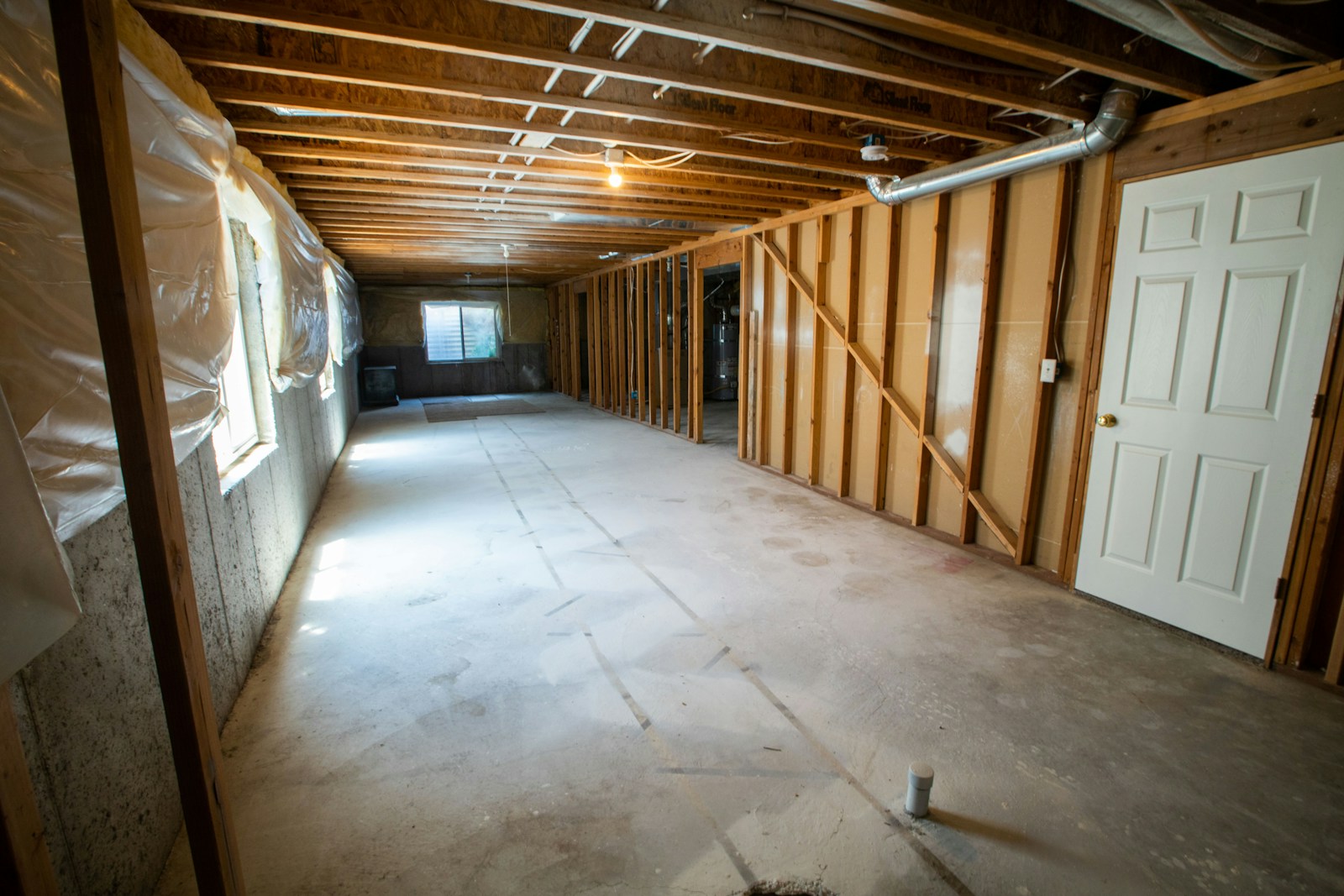
A finished basement, a converted garage, or an added room might look completely legitimate, but if the work was done without proper permits, that fact doesn’t always make it into disclosure paperwork, especially if the seller wasn’t the one who did the work and genuinely doesn’t know. Unpermitted work can complicate insurance claims and future renovation permits alike, and it’s often only discovered when a new owner tries to pull a permit for unrelated work and the inspector notices the earlier unpermitted change.
How Often Something Needs to Be Reset, Jiggled, or Babied
Every house eventually accumulates small idiosyncrasies that a longtime owner has simply learned to live with: a door that needs to be lifted slightly to latch, a breaker that trips if two specific appliances run at once, a toilet handle that needs a particular touch. None of these individually rise to the level of a disclosed defect, but collectively they represent real knowledge the previous owner had and the new owner has to rediscover through trial and error.
Whether There’s a History of Pest Issues
A past termite, rodent, or other pest problem that was treated and resolved doesn’t always get volunteered if it’s no longer active, particularly if the seller views it as a solved problem rather than an ongoing one worth mentioning. Asking directly about pest treatment history, and requesting any documentation from a pest control company, can surface information that a single point-in-time inspection might not catch, especially for issues that are seasonal or intermittent.

The Real Internet and Cell Signal Situation
A previous owner who’s used the same internet provider for a decade may not realize, or may not think to mention, that certain rooms have unreliable cell signal or that only one particular provider actually serves the area well. This isn’t a disclosure issue in any legal sense, it’s simply not something sellers tend to think to volunteer, since it’s rarely framed as a defect. It’s worth checking directly with neighbors or providers rather than assuming service will match expectations from a previous home.
Which Window Won’t Actually Open, or Won’t Actually Close All the Way
A stuck or misaligned window is easy for a longtime owner to simply stop noticing, especially if it’s in a guest room or a space that doesn’t get much daily use. It’s rarely disclosed not out of dishonesty but because the previous owner may not have tried to open it in years. A full walkthrough testing every window and door before closing, not just the ones in frequently used rooms, tends to catch this kind of thing before it becomes a surprise.
What the HOA Actually Enforces in Practice
Homeowners associations publish rules, but the gap between what’s written and what’s actually enforced, strictly, selectively, or barely at all, is something only a longtime resident really knows, and it’s not something a seller is obligated to characterize accurately. A previous owner who’s on good terms with a lenient board might genuinely not think to mention that a new owner without those relationships could face stricter enforcement of the same rules. Talking to current residents, not just reading the governing documents, tends to reveal the real picture.
Leave a Reply