
Neighbor disputes have a particular way of escalating that other conflicts don’t, because there’s no walking away from it afterward. You still have to see this person, wave at them in the driveway, and live twenty feet from whatever the disagreement was about, indefinitely. What starts as a minor annoyance can calcify into years of tension astonishingly fast once both sides dig in, and some categories of dispute are notorious for turning ugly well before either neighbor really intends it to.
Property and boundary conflicts in particular are shaped by rules that vary a great deal by state and even by city, so what resolves quickly in one place can drag on for months in another. Here are eight neighbor disputes that tend to escalate faster than people expect, and why.
The “Spite Fence”
A spite fence, a fence built unusually tall or unattractive specifically to annoy or block a neighbor’s view rather than for any legitimate privacy or security purpose, is one of the more dramatic ways a disagreement can spiral. Nolo’s legal encyclopedia notes that some states have specific laws addressing structures built primarily out of malice, though proving intent can be difficult and the available remedies vary considerably. What typically starts this kind of escalation is a much smaller disagreement, over a view, a property line, or noise, that one side responds to by building something deliberately unpleasant rather than addressing the underlying issue directly.
Noise Complaints That Escalate Into Formal Reports
A single loud party is usually forgiven easily enough, but a pattern of regular noise, whether from parties, a barking dog, early morning yard work, or a home gym with heavy equipment, tends to build resentment quietly until one neighbor finally calls it in officially rather than mentioning it directly. Once a formal noise complaint or police visit enters the picture, the relationship often shifts permanently, even if the underlying noise issue gets resolved. Local noise ordinances vary widely in what they cover and enforce, from specific decibel limits to broad “reasonable person” standards, and depending on local rules, a documented pattern of complaints can matter later if the dispute escalates further.
Disputes Over Street Parking
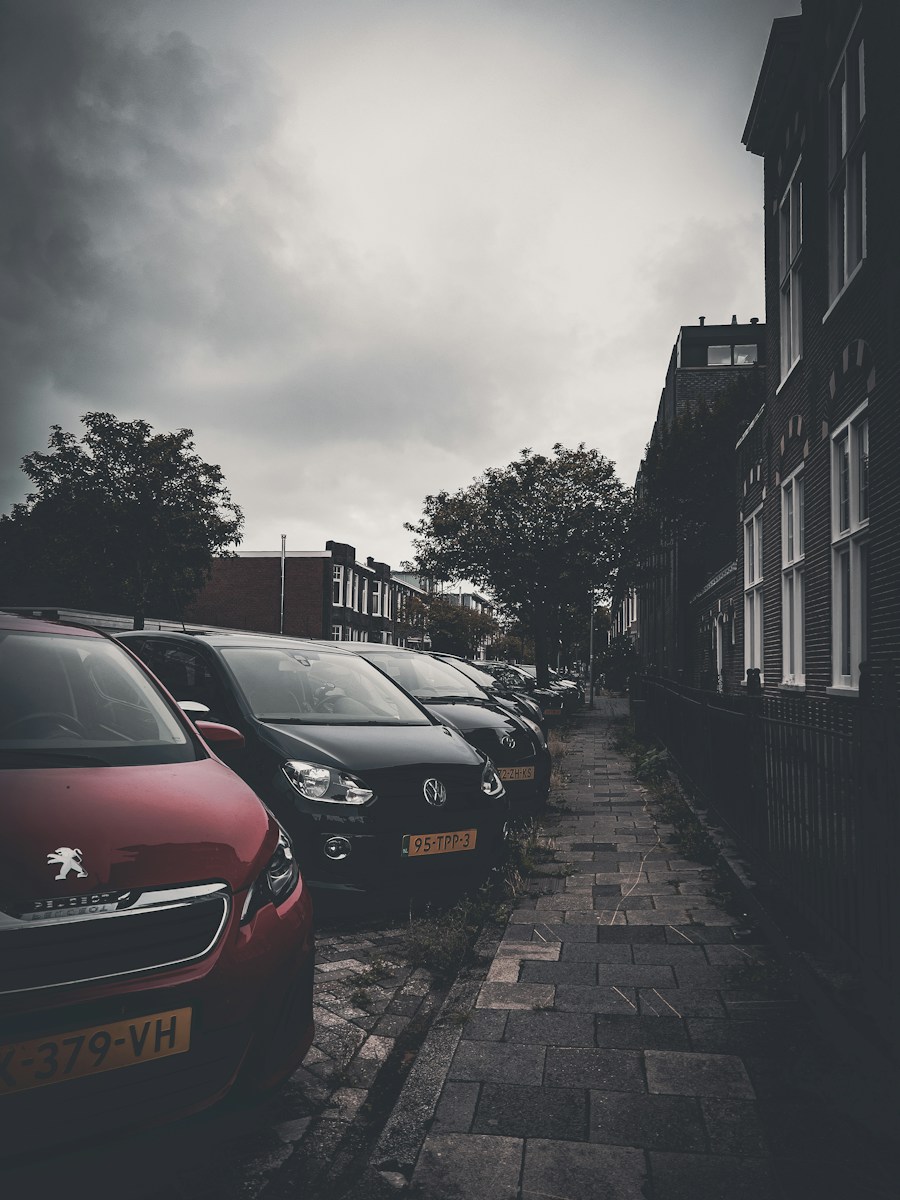
In neighborhoods without assigned parking, disagreements over who gets to park where, directly in front of whose house, blocking whose driveway apron, can become surprisingly personal surprisingly fast. Because street parking often isn’t legally owned by any one homeowner, there’s frequently no clear rule to point to, which leaves the dispute to be settled purely through neighborly goodwill or, when that runs out, by calling in city parking enforcement. Repeated parking conflicts are also one of the more common triggers for a broader breakdown in an otherwise fine neighbor relationship, since it happens visibly, in front of both houses, on a near-daily basis.
Boundary Line Disagreements Uncovered by a Survey
Sometimes a fence, a shed, or a line of trees has sat in what everyone assumed was the correct spot for decades, until a new survey commissioned for a sale, a refinance, or a new construction project reveals it’s actually been sitting on the wrong side of the property line the whole time. These disputes get contentious quickly because a genuine financial and legal question is suddenly on the table, who owns what, and whether something needs to be moved or compensated for. Depending on how long the encroachment has existed and the specific state’s rules, adverse possession or prescriptive easement doctrines can sometimes come into play, which is exactly the kind of complexity that benefits from a real estate attorney rather than a driveway conversation.
Ongoing Pet Conflicts
A dog that barks incessantly, wanders into a neighbor’s yard, or leaves waste on someone else’s lawn is one of the most common sources of sustained neighbor friction, precisely because it happens repeatedly rather than as a single incident. What makes pet disputes escalate faster than other issues is the emotional attachment involved on one side and the genuine daily disruption on the other, a combination that makes compromise harder to reach than a purely practical disagreement. Local leash laws and nuisance ordinances vary, but documented, repeated incidents tend to matter if a dispute eventually requires involving animal control or local code enforcement.
A Blocked or Altered View
A neighbor planting a row of fast-growing trees, adding a second story, or building a tall structure that suddenly blocks a view that used to be part of a home’s appeal can trigger a surprisingly intense reaction, especially in areas where a view contributed meaningfully to a property’s value. Unlike many other disputes, view rights are generally not protected by default in most places unless there’s a specific easement, deed restriction, or local ordinance addressing it, which often comes as an unwelcome surprise to the neighbor who lost the view. Because there’s frequently no straightforward legal remedy, these disputes tend to simmer unresolved for a long time, which is part of what makes them so corrosive to a neighbor relationship.
Security Cameras Aimed at a Shared Property Line
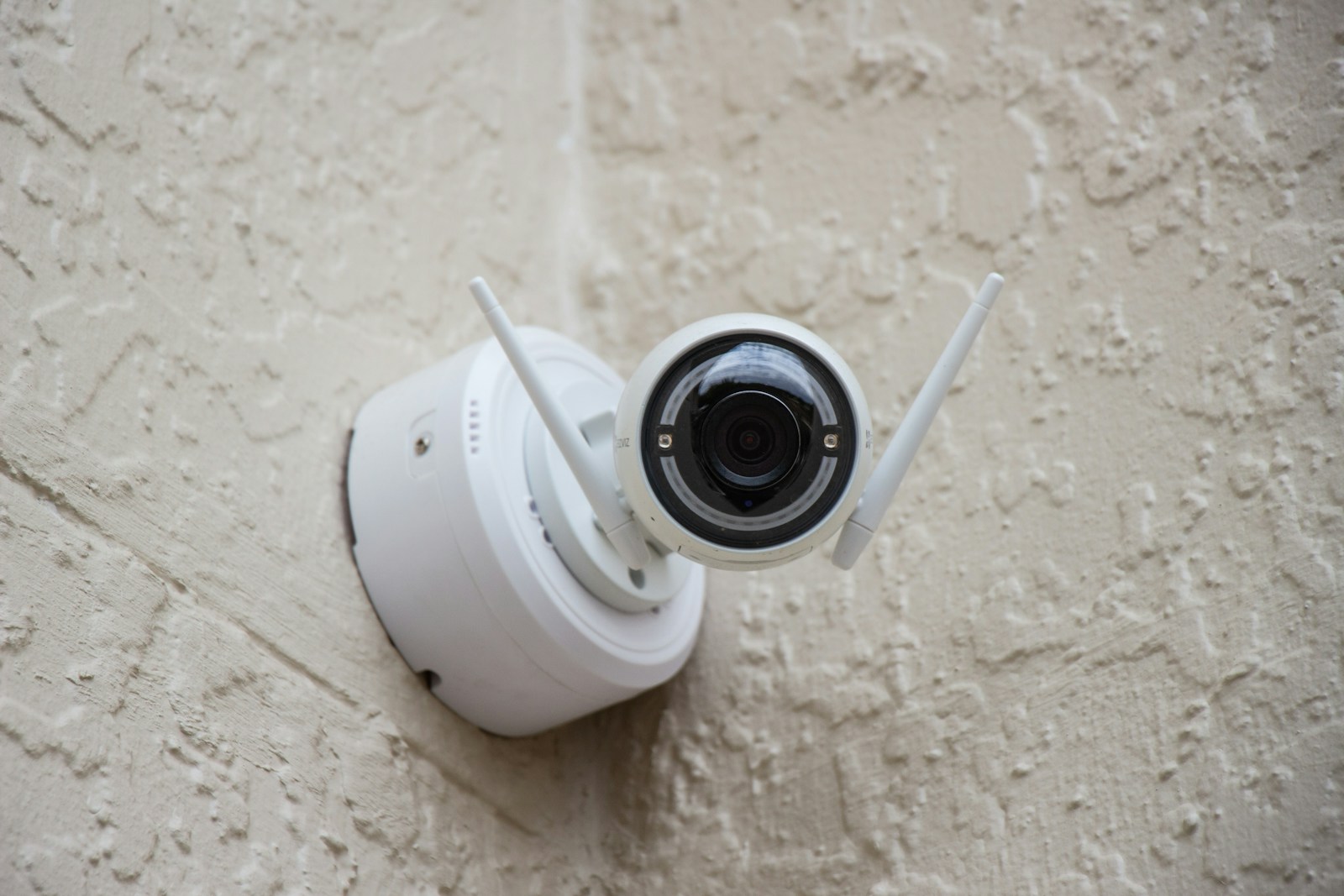
The rise of affordable video doorbells and outdoor security cameras has created a genuinely new category of neighbor conflict, disputes over cameras that capture more of a neighbor’s yard, windows, or daily activity than that neighbor is comfortable with. Even when the footage is technically legal to capture from one’s own property, the feeling of being constantly recorded can create real tension, especially once someone realizes just how much of their own yard is visible in someone else’s camera app. Adjusting camera angles to focus on one’s own property and having a direct conversation about the concern before it festers tends to defuse this faster than most other disputes on this list, largely because it’s a genuinely new and unfamiliar kind of privacy question for most people.
Reporting Each Other for HOA or Code Violations
In neighborhoods governed by a homeowners association or strict municipal code enforcement, one neighbor reporting another for a violation, an unapproved paint color, an overgrown lawn, an RV parked in the driveway too long, can trigger a retaliatory cycle where the reported neighbor starts scrutinizing the reporter’s property in return. This kind of dispute tends to escalate fast because it introduces an official, often punitive process, fines, warning letters, mandatory corrections, into what was previously an informal relationship. Once neighbors start reporting each other rather than talking directly, the relationship rarely returns to where it was before, even after the specific violations get resolved.
Leave a Reply