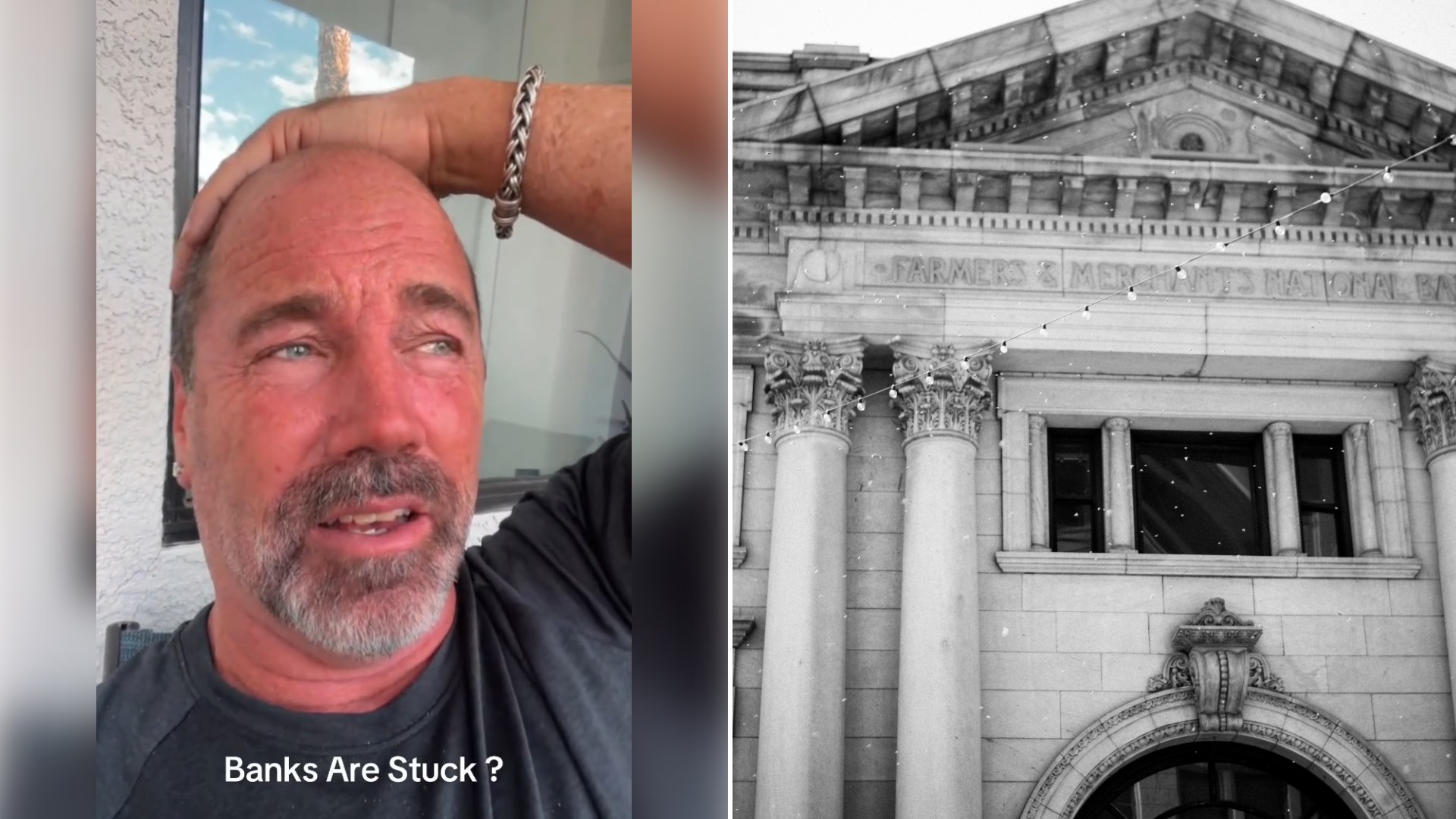
Predictions about a housing market crash tend to spread fast online, especially when they come with the credibility of an inside source — and that’s exactly the framing behind a recent Instagram video from @draytonnayyofficial.
Captioned simply “Banks foreclosures,” the video, according to its description, shares an anecdotal story about a bank employee friend, using that account to predict a looming housing market crisis. The format leans on secondhand authority — not the creator’s own direct experience in banking, but a friend’s, relayed to an audience hungry for insight into where the market might be headed next.
The video doesn’t specify which bank the friend works for, what data or trends were described, or a timeline for the predicted downturn — the caption gives only the barest framing, leaving the details to the video itself. What’s clear is the appeal of the format: a peek behind the curtain, the sense of hearing something before it becomes common knowledge, delivered through a personal connection rather than a headline.
That appeal translated into real reach — the video has been viewed 666,000 times on an account with 20,700 followers, a strong multiple that reflects how much appetite there is online for insider-sourced predictions about where housing prices are headed.
Secondhand, insider-flavored predictions like this one spread quickly in part because they feel like privileged access to information most people don’t have — even when the underlying claim is difficult for a viewer to independently verify one way or the other.
Predictions like this tend to spread fastest in moments of genuine affordability strain, when a large audience is already primed to believe a correction is overdue — which can make an anecdote feel like confirmation of something many people were already anticipating, whether or not the underlying data actually supports it.
How to Read Warnings About a Coming Housing Crash
Predictions of an imminent housing crash are a perennial feature of social media, and they tend to spike whenever affordability pressures, high interest rates, or foreclosure numbers make headlines. It’s worth approaching any single anecdote-based prediction — even one sourced from someone who works in banking — with a healthy amount of caution, since one person’s local, informal observations aren’t the same as verified market data.
If you want to actually track housing market health rather than rely on secondhand predictions, a few public, free resources are genuinely useful: the Federal Reserve Economic Data (FRED) database tracks mortgage rates, housing starts, and price indices going back decades; the National Association of Realtors publishes monthly existing-home sales data; and county recorder or assessor offices publish local foreclosure filing numbers, which tend to be a more concrete leading indicator than speculation.
Whatever the broader market does, the most useful housing decisions are usually made based on personal financial readiness rather than a prediction about macro trends — how stable your income is, how much of an emergency fund you have, and whether a home purchase or sale fits your own timeline, regardless of what any single forecast, however dramatic, claims is coming next.
It’s also worth remembering that even people who work inside an industry generally only see a narrow slice of it — a single branch’s foreclosure trends, for example, don’t necessarily reflect a national or even regional pattern. Cross-referencing any dramatic prediction against multiple independent sources before making a major financial decision based on it is almost always worth the extra time.
A useful habit before sharing or acting on any market prediction: ask what specific, checkable data point it’s actually based on, and whether that same claim shows up in reporting from more than one independent source before treating it as settled fact.
You can watch the full video and follow @draytonnayyofficial on Instagram for more.
Leave a Reply