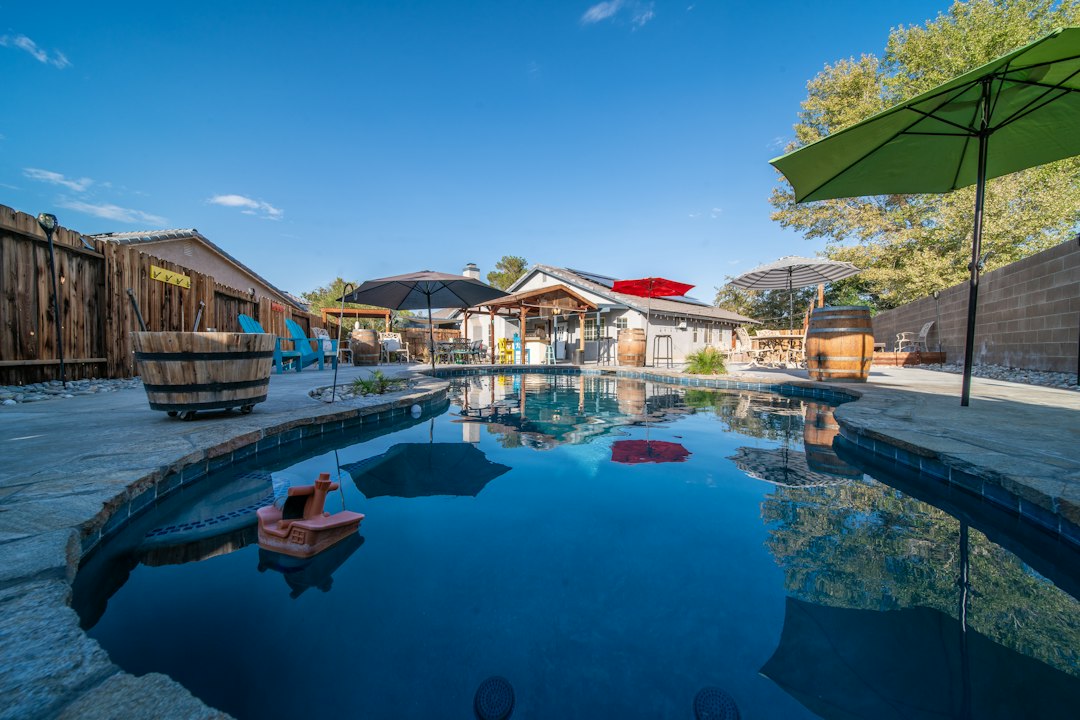
Some yard features photograph beautifully and sell a house in seconds — then quietly become the thing a new owner dreads every weekend. Pinterest boards rarely show the algae skimming, the weed pulling, or the power washing that keeps these features looking the way they did on move-in day.
Before you fall for a yard because of one showstopper feature, it helps to know what upkeep actually looks like a year in. Here are nine common additions that demand far more maintenance than they let on.
Ornamental Ponds and Water Features
A koi pond or trickling fountain adds instant ambiance, but still water invites algae blooms within weeks of warm weather, and standing water is exactly what mosquitoes look for to lay eggs. Pumps and filters need regular cleaning, skimmer baskets fill with leaves faster than owners expect, and winterizing a pond in colder climates is its own seasonal project. Fish add feeding schedules and the occasional vet-style crisis when water chemistry drifts. Many new owners end up either committing to a strict weekly maintenance routine or draining the feature entirely within a couple of seasons, so ask the seller how often they actually service it before assuming it will run itself.
Gravel or Rock Garden Beds
Gravel beds look tidy and low-water in glossy photos, but weeds find their way through landscape fabric within a year or two, and pulling them out of rock is far more tedious than pulling them from soil. Leaves and debris settle into the gaps and are nearly impossible to rake out cleanly, often requiring a leaf blower on a specific setting or a shop vac. Rock also holds heat, which can stress nearby plants in summer. Refreshing the look eventually means removing old gravel entirely rather than simply topping it off, a bigger job than most buyers anticipate when they see the crisp lines in a listing photo.
Bright White or Light-Colored Pavers
Light-colored patios and walkways show every leaf stain, tire mark, and bit of tree sap the moment it happens, unlike darker stone that hides gradual wear. Mildew and algae are also more visible against a pale surface, especially in shaded or humid yards. Keeping them looking fresh usually means an annual pressure wash and periodic resealing, plus spot-treating stains before they set permanently into the porous surface. Homeowners who love the bright, clean look often underestimate how quickly organic debris shows up, particularly under trees or near sprinklers where water sits on the surface longer than it should.
Manicured Boxwood Hedges and Topiary
Crisp, sculpted hedges signal a well-tended yard, but that sharp geometry only stays sharp with pruning several times a season, not once a year. Boxwood is also increasingly vulnerable to blight and leafminer damage in many regions, which can turn a tidy hedge patchy within a single growing season if it isn’t monitored. Replacing damaged sections seamlessly is difficult since new boxwood takes years to match the size of established plants. Buyers drawn to a formal, manicured look should budget for either regular professional shaping or a real commitment to hand shears themselves.
Vine-Covered Trellises and Pergolas
A pergola draped in wisteria or climbing roses is one of the most requested looks in outdoor living spaces, and one of the most demanding once established. Vigorous vines need repeated redirection and cutting back to keep them from overtaking gutters, siding, or neighboring plants, and some varieties can damage wood or masonry if left unchecked for a season. Dense foliage also creates shelter for wasps, spiders, and other insects that homeowners don’t always expect. What looks like a finished, romantic structure in a listing is often an ongoing training project that never really ends.
Outdoor Fire Pits and Fireplaces
A built-in fire feature is a strong selling point, but wood-burning versions generate ash and soot that need regular cleanout, and the surrounding stone or brick can develop staining that’s hard to fully remove. Spark screens, chimney caps, and surrounding hardscape all need periodic inspection for cracking from repeated heat cycles. Gas versions avoid the ash but still require occasional line and igniter maintenance. Either way, a fire feature used often adds a maintenance task that’s easy to overlook when you’re picturing cozy evenings rather than the cleanup that follows them.
Large, Mature Shade Trees Near the House
Established trees are genuinely valuable for energy savings and curb appeal, but heavy leaf, seed pod, or fruit drop means extra raking, gutter cleaning, and lawn care for months of the year depending on species. Certain trees also drop sap or debris that can mark cars, roofs, and patios below their canopy. Buyers should ask what’s actually falling from the specific trees on the property, since a sweetgum or black walnut creates a very different maintenance load than a maple, and gutter guards or extra fall cleanups may become a regular line item.
Grass Edging Around Flower Beds
Crisp lawn edges around curved flower beds look sharp in photos, but grass is relentless about creeping back into planting beds within weeks of being cut back. Keeping that clean line means re-edging regularly with a half-moon edger or string trimmer, not just mowing. Skipping even a few cycles lets grass roots establish inside the bed, where they’re far more work to remove than they were to prevent. Buyers who love a formal, edged look should plan on it being one of the more frequent small chores in the yard, not a set-it-and-forget-it feature.
Outdoor Kitchens and Built-In Grills
An outdoor kitchen is a major draw for entertaining, but grease buildup on grates, hoods, and surrounding countertops needs frequent cleaning to avoid attracting pests and to prevent staining on stone or tile. Built-in refrigerators and sinks need winterizing in colder climates to avoid burst lines, and any wood cabinetry underneath requires sealing to withstand weather exposure. Covers help, but they don’t eliminate the need for a real cleaning routine after regular use. Buyers should ask how the current owner protects the space through winter, since an uncovered or poorly maintained outdoor kitchen can deteriorate faster than an indoor one twice its age.
Leave a Reply