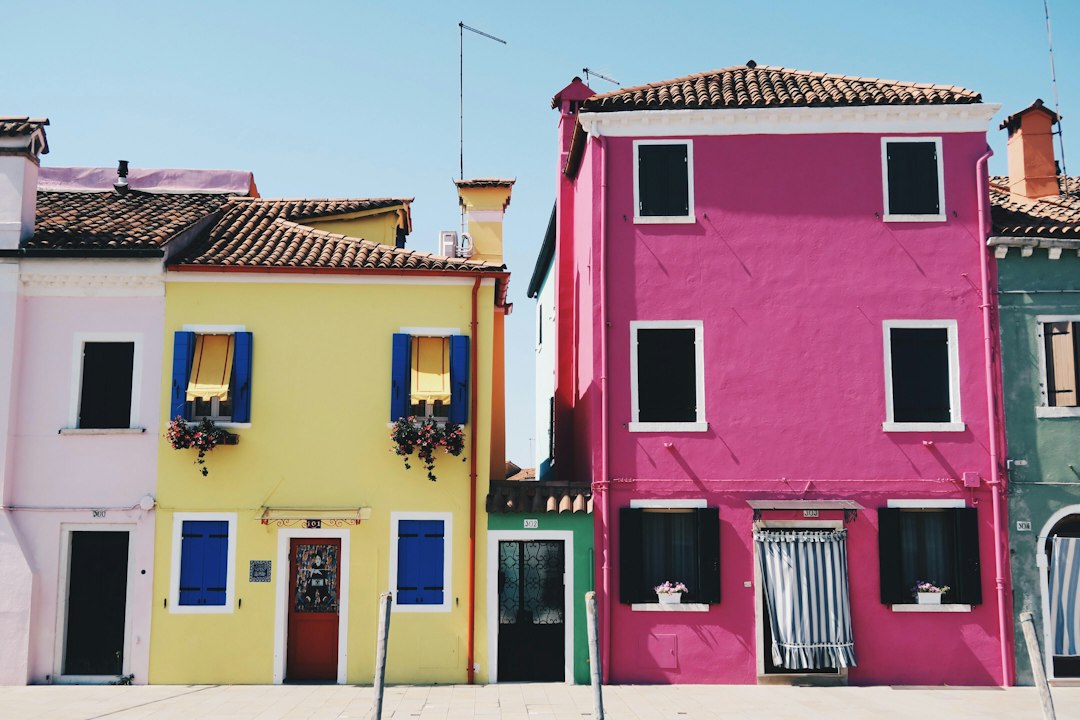
Exterior paint is one of the most visible decisions a homeowner makes, and one of the most expensive to reverse. Unlike an accent wall you can repaint in an afternoon, a full exterior repaint is a multi-day, multi-thousand-dollar job that most people don’t want to repeat any sooner than they have to.
That combination of high visibility and high cost is exactly why so many homeowners end up with regrets about choices that seemed obvious in the sample chip aisle. Here are six of the most common.
Going Dark Without Considering Sun Exposure
Deep navy, charcoal, and black exteriors have been trending for years, and they can look genuinely striking, but dark colors absorb significantly more heat and UV radiation than lighter shades, which accelerates fading and can stress paint film over time, particularly on sun-facing walls in hot climates, according to painting industry sources such as contractors who work in high-UV regions. Homeowners in sunny climates who chose a bold dark color often find the south- and west-facing walls visibly duller within just a few years, while shaded sides of the same house hold their color far longer.
Choosing a Trendy Color Without Considering Resale
A distinctive color can feel like a personal statement, but exteriors are seen by far more people than interiors, including every prospective buyer driving by before they even book a showing. Homeowners who lean into a very trend-specific shade sometimes find it dates the house or narrows the buyer pool when it’s time to sell, requiring a repaint sooner than the paint itself would have needed otherwise. A safer approach is testing a bolder color only on an accent, like a door or shutters, while keeping the main body more broadly appealing.
Underestimating How Sheen Level Changes the Look
Paint sheen affects exterior colors more dramatically than most homeowners expect. A higher-gloss finish reflects more light and can make a color look brighter or almost plastic-like in strong sun, while also highlighting every dent, seam, and imperfection in the siding. Flatter finishes hide surface flaws better but can show dirt and mildew more readily over time. Testing the actual sheen on a real section of the house, not just a small sample card, prevents an unpleasant surprise once the whole exterior is covered.
Not Testing the Color at Different Times of Day
A color that looks warm and inviting under midday sun can shift dramatically at dawn, dusk, or under cloud cover, sometimes reading cooler, greener, or grayer than expected. Paint that looked perfect on a bright afternoon test swatch can feel completely different by early morning or evening light, when many homeowners actually see their house arriving home from work. Painting a large sample patch and observing it across a full day, in different weather, catches this before it’s a whole-house commitment.
Ignoring HOA or Neighborhood Color Guidelines
Many homeowners associations and some historic districts maintain approved color palettes or require a formal review before an exterior repaint, and skipping that step can mean a fine, a forced repaint, or a drawn-out dispute after the work is already done. Even in neighborhoods without formal rules, a color wildly outside the surrounding palette can affect how the home is perceived on the street. Checking any applicable guidelines before buying paint saves both money and frustration.
Mismatching Body and Trim Combinations
Choosing a body color in isolation, without testing it against the actual trim, roof, and door colors already on the house, is one of the most common regrets homeowners report after a repaint. A shade that looked balanced on its own can clash once it’s next to an unchangeable roof color or existing stone accents. Testing large swatches of the body color alongside the trim and any fixed exterior materials, rather than picking each element separately, prevents combinations that only become obvious once the scaffolding comes down.
Leave a Reply